REVIEW · KUSADASI
Best of Ephesus Tour
Book on Viator →Operated by Seber Turizm Taşımacılık ve Tic. Ltd. Şti. · Bookable on Viator
Seven Wonders in one tight day. This Best of Ephesus tour is a great way to pack huge ancient names into a smooth schedule, with a licensed guide and port pickup leading you from the remains of the Temple of Artemis to Ephesus itself. One consideration: entrance fees and food are not included, so you’ll want to budget extra even if tickets are arranged in advance to help you avoid long lines.
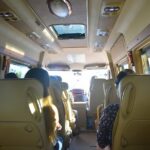
I also like the practical side: a private format, a new air-conditioned vehicle, and a separate driver. That means less hassle before you even reach Ephesus, and more time actually looking, asking questions, and getting your bearings on the ground.
In This Review
- Key things that make this tour work
- Kusadası-to-Ephesus: what you’re really signing up for
- Stop 1: Temple of Artemis remains, and why that opening matters
- Stop 2: Ancient City of Ephesus—your main attraction
- Ephesus Museum: artifacts that explain what you just saw
- Turkish lunch time: plan for local flavor, not included meals
- Stop 4: Meryemana (Virgin Mary’s House) and its pilgrimage story
- Stop 5: Basilica of St. John—architecture tied to a sacred origin
- Price and logistics: how $140 fits the value picture
- Who this tour is best for
- Small details that make the day smoother
- Should you book the Best of Ephesus Tour?
- FAQ
- How long is the Best of Ephesus tour?
- Is pickup included from Kusadası port or a hotel?
- What language is the tour offered in?
- Is the tour price all-inclusive?
- How many people are on the tour?
- Is there a minimum fitness level?
- What is included in transportation and guides?
Key things that make this tour work
- Private, English-guided day with a licensed local guide keeping each site readable and connected
- Kusadası port or hotel pickup to save you from figuring out transport on your own
- Skip-the-lines help by arranging entrance tickets in advance (you still pay entrances separately)
- Big-ticket ancient stops in one route: Temple of Artemis, Ephesus, plus the Ephesus Museum
- Two major religious landmarks after Ephesus: Meryemana (Virgin Mary’s House) and the Basilica of St. John
- Comfort-focused transport: air-conditioned vehicle, separate driver, plus all parking and taxes handled
Kusadası-to-Ephesus: what you’re really signing up for
This is a 7.5-hour day built around two heavy hitters: the ancient city of Ephesus and the later layer of Christian pilgrimage sites nearby. If you like seeing how places change roles over centuries, the order here makes sense. You start with the Temple of Artemis area, move into Ephesus’ Greco-Roman layout, then shift toward museums and spiritual landmarks at the end of the day.
The private setup matters more than it sounds. When you’re not fighting a big group, your guide can pace the stops to your interests—whether you want more time looking at the Library of Celsus facade area and theater seating, or you want the day to feel more meditative at Meryemana and St. John’s Basilica. And with a separate driver and a modern air-conditioned vehicle, you spend less of your day stressed about getting from one sight to the next.
Just remember the day is dense. You’ll cover multiple sites, so comfortable shoes and a calm attitude about timing help.
Other Ephesus Ancient City tours we've reviewed in Kusadasi



Stop 1: Temple of Artemis remains, and why that opening matters
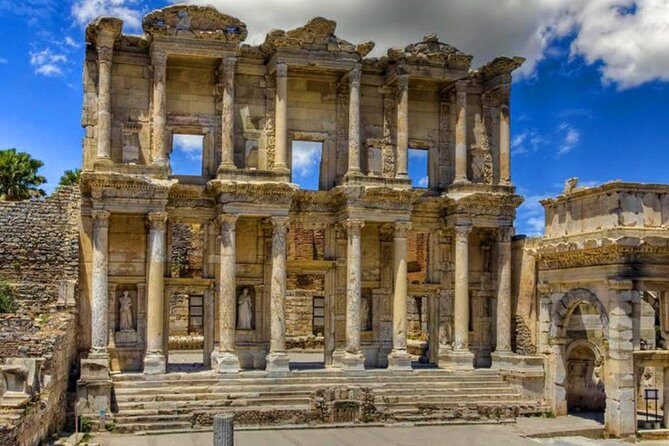
You begin at the Kusadası port area, then head to the remains of the Temple of Artemis—linked to one of the Seven Wonders of the Ancient World. The plan keeps this stop short (about 15 minutes), and that’s not a bad thing. It’s the right “warm-up” stop: you get oriented to the Artemis connection before the main event of Ephesus.
What I like about starting here is the context it gives. Ephesus wasn’t just a random city; it was a powerhouse of trade and culture in the ancient Mediterranean world, and Artemis was a major centerpiece of worship. Even if what you see is ruins rather than a fully intact structure, your guide can help you connect the dots so it doesn’t feel like a quick stop that leaves you with questions.
Practical tip: Since this part is brief, don’t rush your first photos. Take one wide shot to capture the scale of what remains, then look for details your guide points out. That’s the fastest way to make ruins feel meaningful.
Stop 2: Ancient City of Ephesus—your main attraction
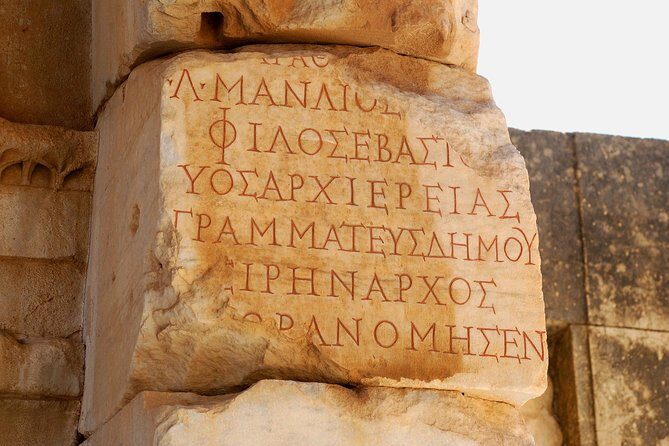
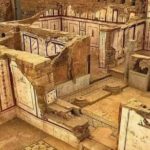
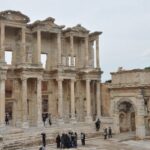
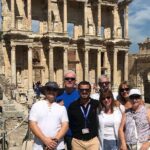
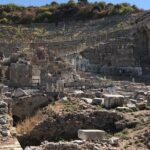
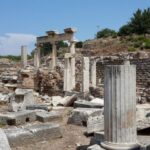
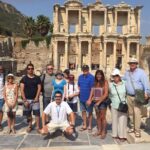
Ephesus is where the day turns into a full-on “wow” sequence. The itinerary calls for about 2 hours here, and that’s the time you’ll want to treat as the core of the tour. This is one of the most important Greco-Roman cities and major port cities of the ancient world, and it’s also tied to the biblical story of the Seven Churches.
Your guide will walk you past several landmark areas, including:
- Temples of Hadrian and Domitian
- The Gate of Hercules
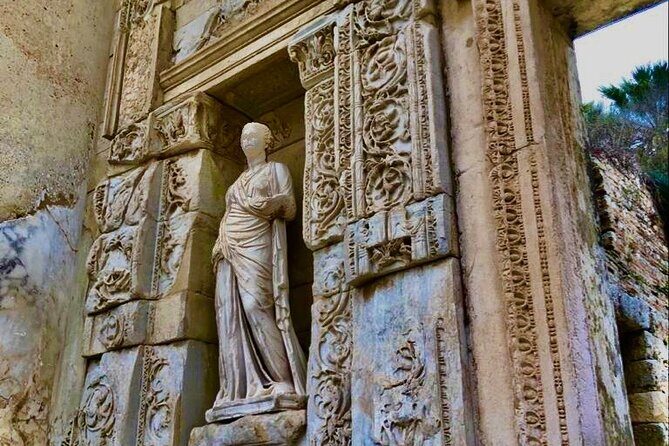
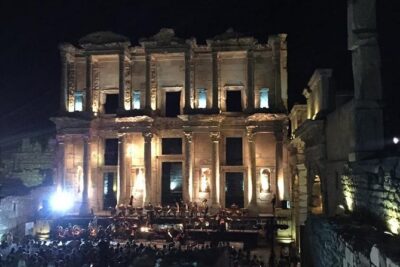
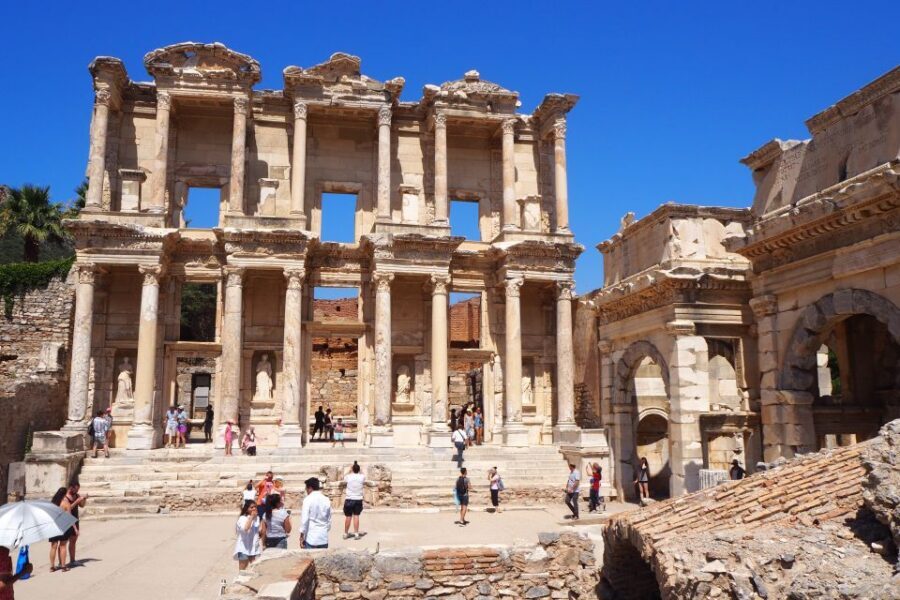
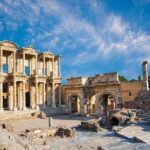
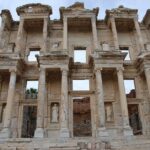
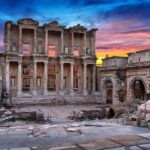
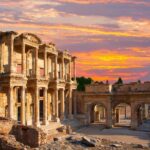
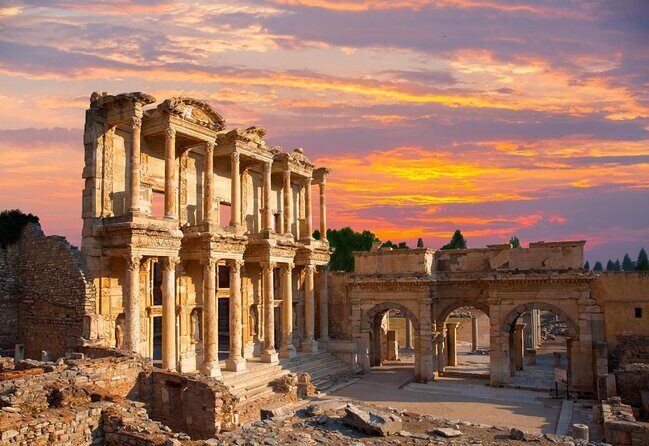
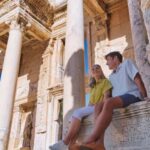
- The Library of Celsus
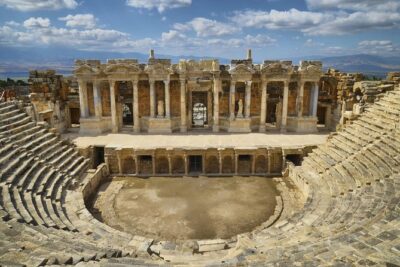
- The Great Theater
- The Odeon
- Trajan’s Fountain
This list isn’t just name-dropping. Each place has a job in the city. The Gate of Hercules helps you visualize how people moved in and out. The Library of Celsus area (famous for its facade) gives you a strong sense of wealth and public architecture. The Great Theater is the kind of structure that makes you understand how performances and public life worked, not just that it existed.
And yes, the guide’s running commentary can make a huge difference here. When the sites are connected—politics, religion, entertainment, and trade—you stop seeing isolated stones and start seeing a functioning city.
One drawback to keep in mind: Ephesus can involve walking and uneven ground. The tour includes moderate physical fitness guidance, so if you’re sensitive to long periods on your feet, plan ahead with water and slow pacing.
Ephesus Museum: artifacts that explain what you just saw
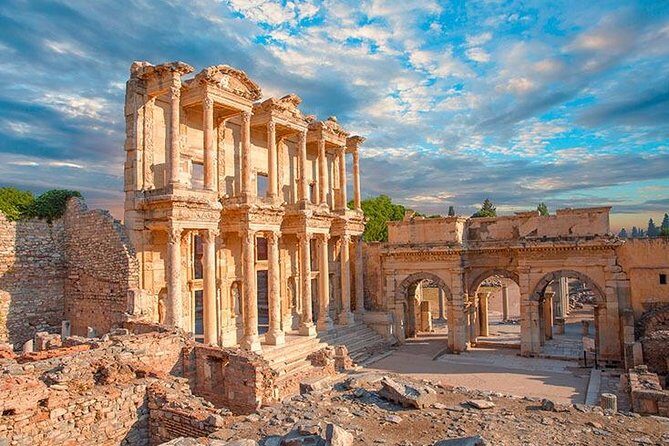
After the Ephesus walking portion, you go to the museum for about 1 hour. This stop is where the day gets more “understanding” and less “moving.” The museum displays archaeological artifacts excavated in Ephesus and other ancient Greek and Roman cities in the region.
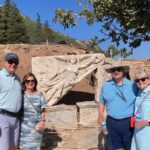
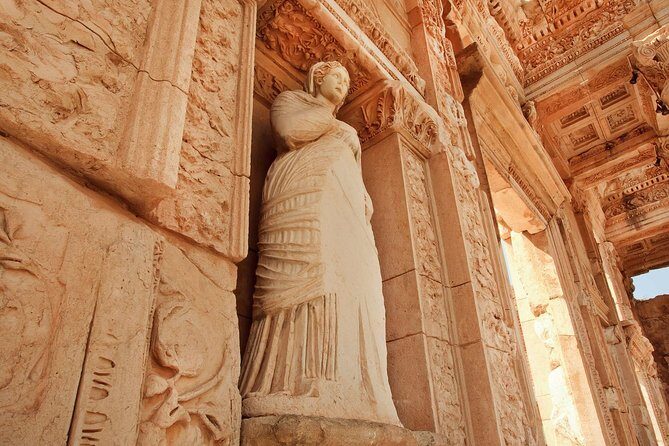
The standout mentioned in the plan is the statue of Artemis, linked to the Temple of Artemis tradition. Whether you came for ancient architecture, Christian connections, or just the thrill of big ruins, the museum helps you translate. Things make more sense when you can see objects close up rather than only imagining them at site level.
This is also a smart break. Ephesus is visually intense; museum time lets you slow down, read, and reset your brain before the later pilgrimage stops.
Turkish lunch time: plan for local flavor, not included meals
After the museum, the tour heads to a restaurant for Turkish cuisine. Food and drinks are not included in the tour price, but the structure is still convenient: you don’t have to hunt for lunch while you’re tired and trying to navigate a new area.
If you’re watching your budget, decide in advance how you’ll handle beverages. Tour lunches often turn into the part where spending grows fastest, especially if you’re tempted by extras.
Stop 4: Meryemana (Virgin Mary’s House) and its pilgrimage story
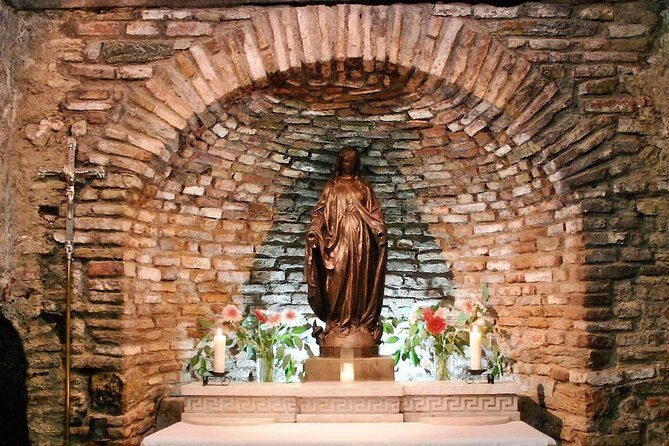
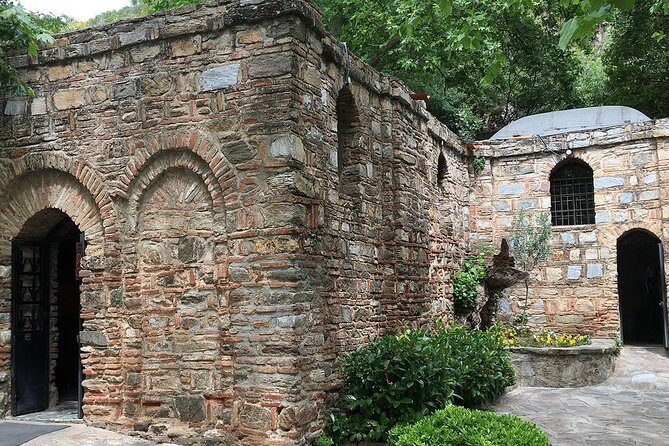
Next comes Meryemana, the House of the Virgin Mary. The plan allows about 45 minutes here, which is enough to feel the place without turning it into an all-day ritual.
This site is described as having been discovered through the dreams of Mother Catherine Emmerich, and it’s an important pilgrimage point. Catholic pilgrims visit with the belief that Mary lived and died in this stone house after the Apostle John brought her there, before she was taken to heaven. The plan also notes it was officially declared a shrine by the Roman Catholic Church in 1896 and has become a popular pilgrimage site.
Even if you’re not coming for religious reasons, this stop adds a different kind of meaning to the day. The tour doesn’t only show you ancient cities. It also shows you how modern faith and local tradition have shaped what people do in this region.
Practical note: Keep your tone respectful. This is a pilgrimage place, not a photo-only stop. If you’re unsure what’s appropriate, your guide will set the vibe quickly.
Stop 5: Basilica of St. John—architecture tied to a sacred origin
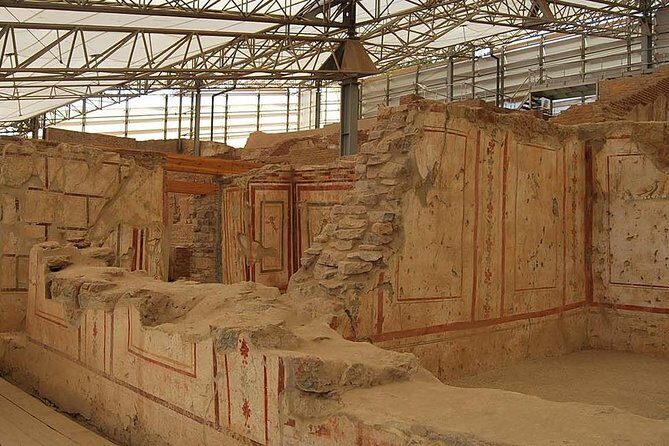
You end at the Basilica of St. John for about 30 minutes. It’s described as a church constructed by Emperor Justinian in the 6th century, built atop the believed burial site of St. John the Apostle—author of the Fourth Gospel and the Book of Revelation.
This final stop often works well as a closer. You’ve already spent time on Artemis and Ephesus’ Roman-era structures, then you shifted into a Marian shrine. Now you land on a church with a clear origin story and strong connection to the Revelation tradition.
The timing is helpful too. Because it’s at the end of the route, you can enjoy it without the same pressure you might feel earlier in the day when you’re catching up on fatigue.
Price and logistics: how $140 fits the value picture
At $140 per person for roughly 7.5 hours, this tour is priced in the “you’re paying for convenience” category. Here’s what you’re getting for that money:
- Private tour format for your group
- Professional licensed local tour guide for the whole day
- Luxury air-conditioned vehicle with a separate driver
- Port/hotel pickup and drop-off, plus taxes and parking fees handled
What you’re not getting:
- Entrance fees
- Food and drinks
The value comes from the way the schedule is packaged. Ephesus and the surrounding sites are not the kind of places you want to piece together in transit one by one. You’d lose time deciding routes, finding ticket counters, and coordinating a driver.
And since entrance tickets are arranged in advance to help you skip long lines, you’re likely losing less time at each site than if you handled everything solo.
So the real decision is simple: if you want a guided, organized day that removes transportation headaches, this price can feel fair. If you’re the type who loves free-form travel and doesn’t mind logistics, you might prefer a cheaper self-guided approach—just know you’ll spend more effort managing the route.
Who this tour is best for
This itinerary fits best if you want:
- A single-day plan that hits major Ephesus landmarks plus the two major pilgrimage stops
- A guided approach in English that helps you make sense of what you see
- The comfort of pickup, a private vehicle, and a separate driver
It may be less ideal if you:
- Need a very slow day with lots of free time at each stop
- Have trouble with walking around ancient ruins and museum navigation
- Strongly prefer meals to be included in the price
Small details that make the day smoother
Even without changing the itinerary, a few choices can make a big difference:
- Bring a bottle of water for the Ephesus portion, and plan for a hot day if you’re traveling in warm months.
- Wear shoes you trust on uneven stone and curbs. The day is short, but the ground can be unforgiving.
- If you care about photo angles, tell your guide early. They can time viewpoints better within the allotted stop windows.
- If you’re into storytelling, lean into the guide’s explanations at Gate of Hercules, the Great Theater area, and the Library of Celsus facade zone. Those are the moments where a guide turns shapes into meaning.
Should you book the Best of Ephesus Tour?
I’d book this tour if you want an organized day that balances big ancient sights with meaningful pilgrimage stops, all with private transport from Kusadası and an English guide who keeps the route coherent. It’s especially appealing if you’d rather spend your energy looking at the city than figuring out logistics.
Skip it only if you’re on a strict budget that can’t handle extra entrance fees and lunch, or if you prefer a less structured pace. For most people making a port stop or short stay in the area, this plan hits the right mix—major names, efficient timing, and a day that feels planned rather than improvised.
FAQ
How long is the Best of Ephesus tour?
The tour lasts about 7 hours 30 minutes.
Is pickup included from Kusadası port or a hotel?
Yes. Port and hotel pickup and drop-off are included, and your guide waits at the vehicle.
What language is the tour offered in?
The tour is offered in English.
Is the tour price all-inclusive?
No. Entrance fees and food and drinks are not included. The tour provider arranges tickets in advance to help you avoid long lines.
How many people are on the tour?
It’s a private tour/activity, so only your group participates.
Is there a minimum fitness level?
You should have a moderate physical fitness level.
What is included in transportation and guides?
A professional licensed local tour guide is included for the entire day, along with a luxury air-conditioned brand new vehicle and a separate driver. All taxes and parking fees are covered too.