REVIEW · EPHESUS
From Izmir, Kusadasi, & Selcuk: Day Trip to Explore Ephesus
Book on GetYourGuide →Operated by Crowded House Tours · Bookable on GetYourGuide
Ephesus on a day trip feels almost unfair. You’re dropped into an ancient UNESCO site with a live guide, plus stops like the House of the Virgin Mary and the Temple of Artemis that make the whole day feel bigger than just ruins. Ephesus and its marble streets are the main event, and the pacing is designed to hit the highlights without needing to plan every turn yourself.
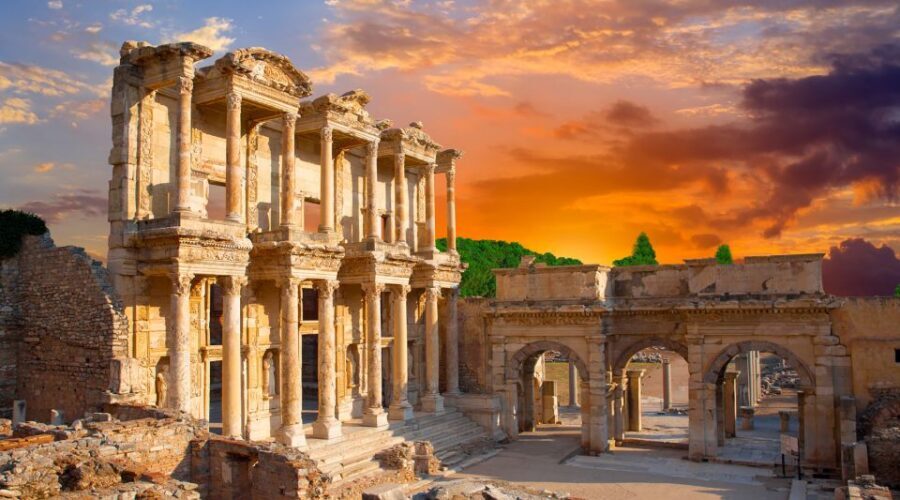
I especially like the way this tour mixes power, religion, and everyday Roman life in one loop. The House of the Virgin Mary is a quiet, meaningful stop tied to tradition, and the Library of Celsus brings that famous Roman grandeur to life in a way that photos don’t fully explain.
One thing to keep in mind: the day can include shopping time, and that can affect your schedule. Some departures have a reputation for long, pushy retail stops, which can squeeze lunch and leave less time to linger where you want.
In This Review
- Key things to know before you go
- From Izmir, Kusadasi, or Selcuk: logistics that set the tone
- Ephesus by the marble streets: what the guided loop does well
- House of the Virgin Mary: a pause from the stones
- Upper Agora, Odeon, Domitian Square: power and public life
- Hercules Gate to Hadrian’s Temple: architecture you can spot fast
- Library of Celsus and the Great Theater: your top photo stops
- Temple of Artemis: seeing one of the Seven Wonders
- Shopping and timing: where this tour can win or lose
- Price and value: why $128 can be fair (or frustrating)
- What to bring for comfort (and fewer headaches)
- Who should book this day trip
- Should you book this Ephesus day trip?
- FAQ
- Where does pickup happen for this Ephesus day trip?
- What’s included in the price?
- Do I need to buy tickets for Ephesus and the main sites?
- Are drinks or lunch included?
- Which languages is the live guide available in?
- What ID should I bring?
Key things to know before you go
- Hotel pickup and drop-off from Izmir, Kusadasi, or Selcuk means less stress and more sightseeing time.
- Skip-the-ticket-line helps you get moving faster once you arrive at Ephesus.
- Major highlights are included: Ephesus, the Virgin Mary House, and the Temple of Artemis entrance fees.
- Expect a full 8–10 hour circuit, with lots of walking on ancient stone and uneven ground.
- Lunch may be tight, especially if your day includes extra shopping stops.
- Terrace Houses are not included, so if you care about that add-on, budget extra.
From Izmir, Kusadasi, or Selcuk: logistics that set the tone
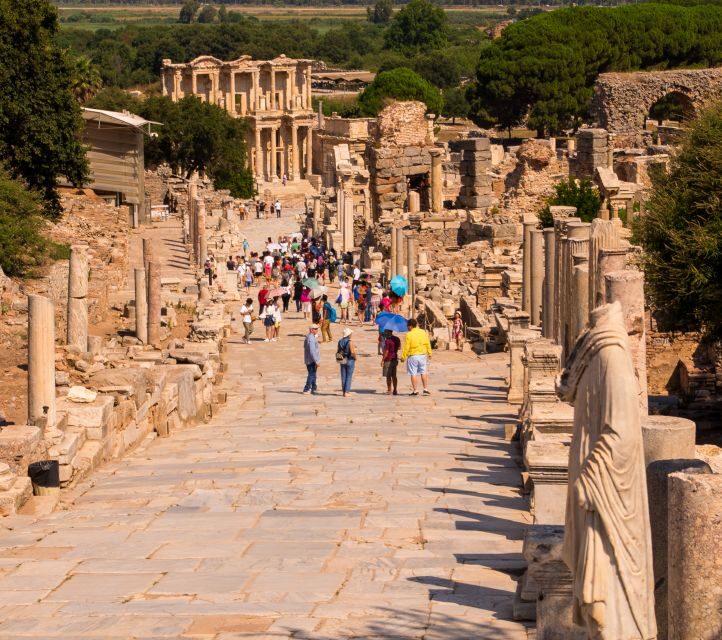
The best part of this day trip is that it starts with someone handling the hard part: getting you out of town and into Ephesus. You can be picked up from your accommodation in Izmir, Kusadasi, or Selcuk, then follow a guide through the main sights by the most efficient route. With an 8–10 hour total duration, you’re not signing up for a quick peek; you’re planning a real day.
You also get one practical win for stress: skip-the-ticket-line. On busy days at major sites, that can save more time than it sounds like. Still, you should expect some waiting and movement between stops—this is a guided loop, not a self-paced wander.
If you’re sensitive to schedule changes, go in with eyes open. A couple of departures appear to add retail stops, and those can stretch the day later than you’d hope. That doesn’t ruin the core experience, but it matters for where you’ll want to eat and how long you’ll be able to move at your own speed.
If you're still narrowing it down, here are other tours in Ephesus we've reviewed.
Ephesus by the marble streets: what the guided loop does well
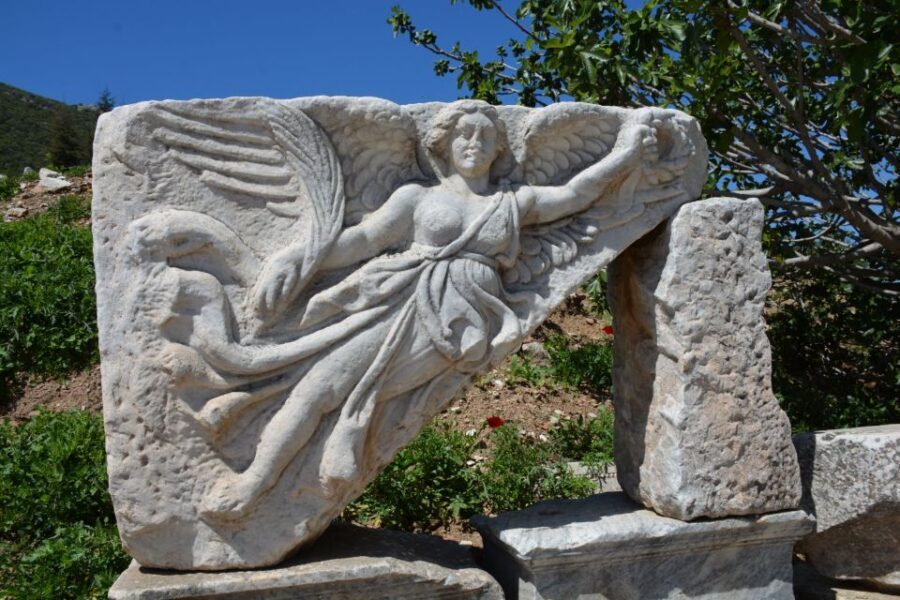
Ephesus is one of those places where you can understand why the city mattered just by walking. Marble streets, monumental gates, theaters, public buildings—everything is connected by sightlines and street-level layouts. The guide helps you make sense of it fast, pointing out what you’re looking at and how each area functioned.
Your day in Ephesus typically flows through a series of landmark zones. You’ll see major architectural reminders of political power, religion, entertainment, and commerce—without needing to study a map for hours. That’s a big deal if it’s your first time in the region and you want maximum payoff with minimal planning.
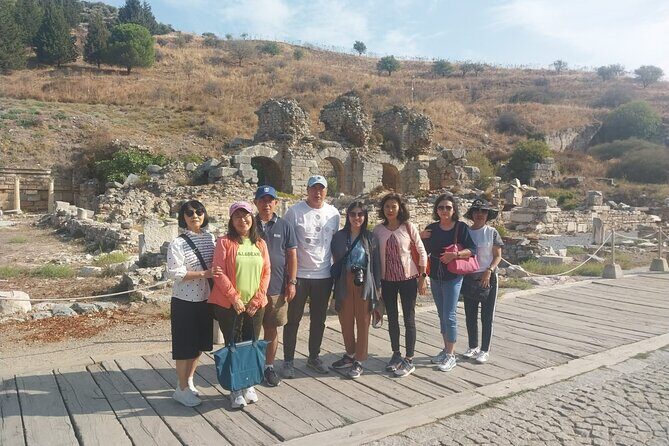
Just be ready for the physical side. Ruins aren’t smooth like a museum floor. You’ll walk on stone surfaces and navigate uneven ground, so comfortable shoes matter more than style. If you want to spend time at the Library of Celsus or the Great Theater, plan to stand, look, and move in short bursts rather than expecting long, relaxed pauses.
House of the Virgin Mary: a pause from the stones
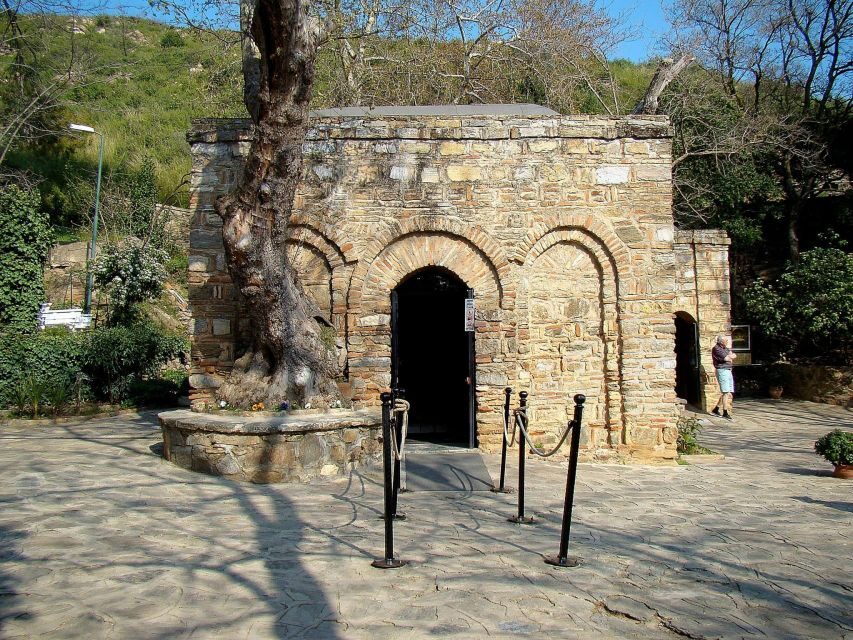
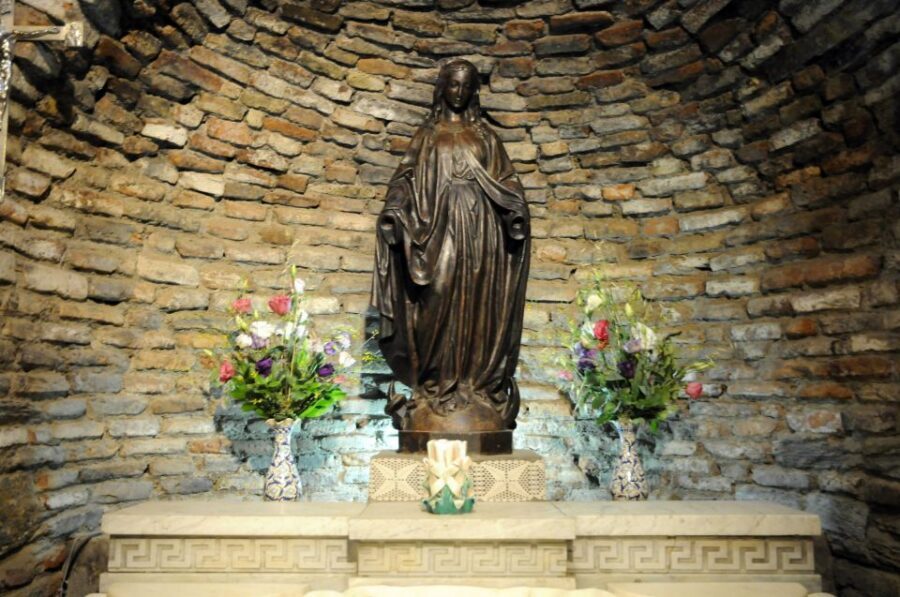
The House of the Virgin Mary is the tour’s tonal shift. After being surrounded by public buildings and city power structures, this stop feels more personal and reflective. The site is connected to tradition about where Mary spent her last days, and a local guide can give you the background and religious context you won’t get from walking up cold.
This is also where the day can feel more human. You’re not just seeing what Rome built—you’re understanding why certain places became meaningful to later visitors and communities. Even if you’re not religious, it’s worth paying attention to the stories and how faith traditions attach themselves to locations.
The one practical tip: treat it like a real stop, not a quick photo break. If you have time pressure later in the day, rushing here can be a mistake. It’s one of the places where slower attention makes the visit feel complete.
Upper Agora, Odeon, Domitian Square: power and public life
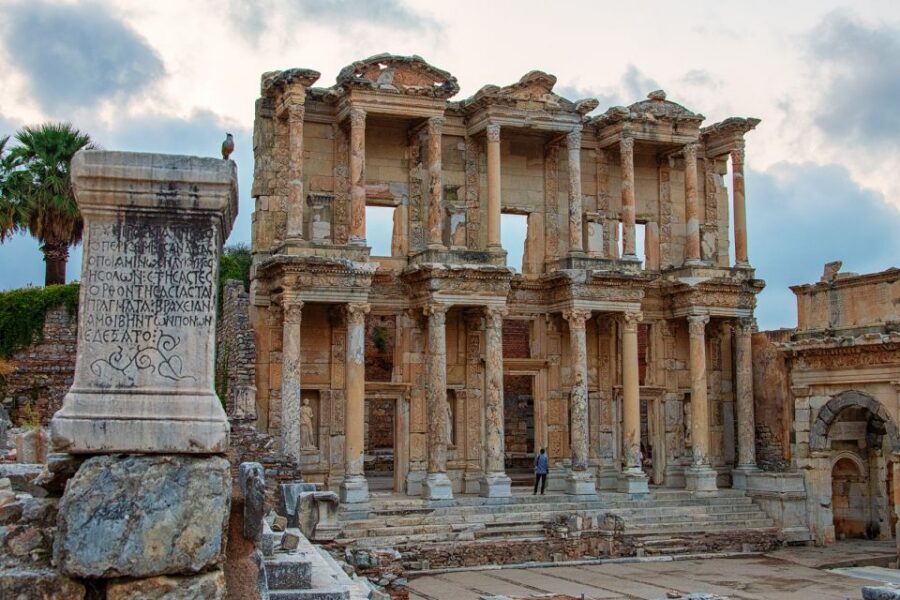
Then you move back into the city’s decision-making world. You’ll pass through the Upper Agora, which served as a seat of political power, and you’ll likely see key structures that helped shape civic life.
From there, the circuit continues to the Odeon theater, a 2nd-century A.D. venue tied to performances and public gatherings. Even in ruin, theaters give you the sense of what the city was designed for: crowds, sound, ceremony, and spectacle.
At Domitian Square, you’ll have time to notice the architectural details and inscriptions on older columns at the Temple of Domitian. The guide’s explanations help you connect names you’ve heard in reading—Domitian, for example—with what you can actually see. These are the stops where you start to feel how Ephesus operated as a system, not a random collection of buildings.
Hercules Gate to Hadrian’s Temple: architecture you can spot fast
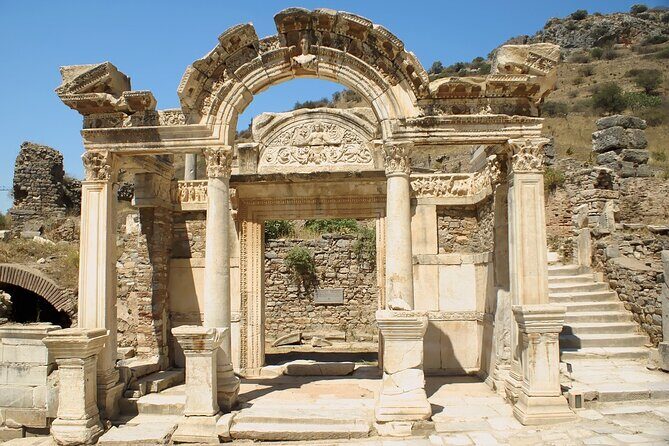
If Ephesus feels like a textbook at first, this portion makes it visual. You’ll pass by sites including the Hercules Gate (with the relief of Hercules), the Temple and Fountain of Emperor Trajan, and the Temple of Hadrian, where you’ll see the elaborately carved arch.
This is also where the guide’s role matters for interpretation. When you know what you’re looking at—gates as symbolic entrances, arches as propaganda, fountains as civic features—you stop treating the ruins like scenery and start treating them like evidence.
Along the way you might also catch reminders of daily Roman routines: the Roman baths, a public latrine, the marketplace, and even the remains connected with a brothel area. Those details can make some people uncomfortable, but they also make the city feel real. Ephesus wasn’t just a stage set for emperors; it was a working city.
One small consideration: these are the segments where you’ll likely be doing the most walking back-to-back. If your feet tend to get sore, this is where you’ll appreciate a quick pause strategy—two minutes standing, then another short movement.
Library of Celsus and the Great Theater: your top photo stops
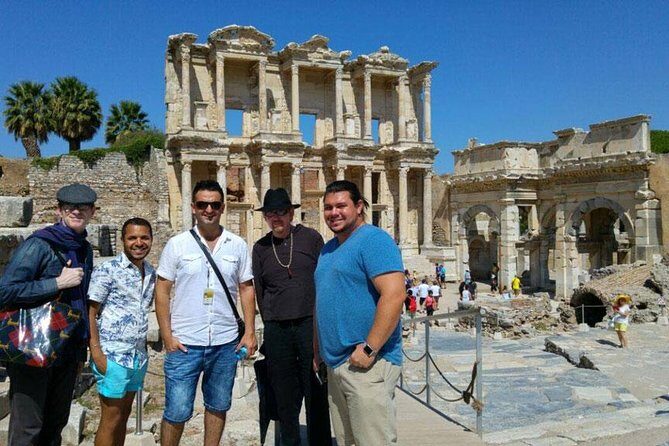
Two stops are usually the emotional high points of Ephesus: the Library of Celsus and the Great Theater. The Library of Celsus is described as the third-largest library in the Roman world, and seeing the remains up close gives you a sense of how ambitious Roman public architecture was. It’s not just a big structure—it’s designed for presence, with the façade meant to impress.
The Great Theater is a massive Hellenistic structure, and it’s the kind of place where ruins still feel like a venue. Even without a performance happening, you can picture how crowds would fill the space and how the city communicated through gatherings.
Here’s the practical value: these are also the places where a guide can help you understand sightlines and layout. When someone explains where people stood and how the space worked, you get more out of your time than if you simply wander around and hope the meaning lands.
Also, if you love photography, aim to take your photos during your first window of attention. Later in the day—especially if the schedule runs tight—you’ll often wish you had taken the slower shots sooner.
Temple of Artemis: seeing one of the Seven Wonders
Then comes the big-name finale: the Temple of Artemis. You’re there for the connection to one of the Seven Wonders of the ancient world, and the site helps you understand why Artemis mattered to the region. The Temple of Artemis is included with entrance fees, which is a strong value point if you’re comparing to DIY visits.
Even if you know the story already, it’s the scale and symbolic importance that land. The guide can help you keep the story straight—who Artemis was, why this temple drew attention, and how Ephesus sat in a wider world of worship and power.
If you only have one take-away from this day trip, make it this: Ephesus isn’t just a city of ruins. It’s a place tied to major ancient belief systems and monumental ambition.
Shopping and timing: where this tour can win or lose
This is the part I’d treat as non-negotiable. Some departures include stops at retail shops—often described as leather and olive-oil related—plus time for traditional Turkish handcraft viewing. Handcrafts can be great, but the problem isn’t the products; it’s the amount of time and the pressure style.
In real terms, this is where your day can drift. When shopping time runs long, lunch may land much later, and the lunch break may be short. That can turn a good day into a day where you’re hungry and annoyed at the exact moment you want to be focused on ruins.
Here’s my practical advice: before the tour starts, ask your guide how long the shopping stops typically take. If you’re not interested in retail, you’ll still go, but you can protect your energy by setting a mental limit. Bring snacks if that’s your style, and plan to treat lunch as something you may need to grab quickly.
Price and value: why $128 can be fair (or frustrating)
At $128 per person for an 8–10 hour day, the value depends on what you compare it to. This tour includes hotel pickup and drop-off, a live English/Spanish guide, and entrance fees to Ephesus, the House of the Virgin Mary, and the Temple of Artemis. For many people, that bundle is worth it. You’re paying for convenience and for someone to connect the dots across multiple sites.
If you’re tempted to DIY, the cost difference often comes from time and logistics: getting transport, handling admissions, and figuring out a route that hits the big names without wandering into dead ends. This guided format is built for people who want the highlights without turning the day into a project.
Where value can slip: if extra shopping time cuts into your time at Ephesus itself, or if your lunch plan gets compressed. You’re still visiting the main sites, but the day can feel less satisfying if your schedule is hijacked.
Also note what’s not included: drinks aren’t included, and Terrace Houses entrance fees are not included. If Terrace Houses are on your must-see list, you’ll want to budget extra early rather than hoping it’s included.
What to bring for comfort (and fewer headaches)
You’ll get the most out of the tour by showing up prepared. Bring passport or ID card (a copy is accepted), and keep it with you since it’s specifically mentioned as needed.
Wear shoes that can handle ancient stone and long walking. Sun protection helps too, since outdoor ruins mean you’ll spend time in open areas. And since drinks aren’t included, plan to buy water during stops or bring what you’re allowed to carry.
If you know you hate rushed meals, aim for a strategy: eat something before pickup, then keep a snack handy so you’re not running on empty if lunch gets pushed later.
Who should book this day trip
This tour is a good fit if you:
- Want a guided overview of Ephesus’s major sites in one day
- Prefer hotel pickup over coordinating transit yourself
- Like having someone explain the connections between buildings and city life
- Don’t want to plan admission tickets for Ephesus, the Virgin Mary House, and the Temple of Artemis
You might skip it if you:
- Know you strongly dislike retail time and pressure-style shopping
- Want a completely self-paced visit where you decide your own lunch timing
- Are hoping Terrace Houses are automatically included
Should you book this Ephesus day trip?
I’d book it if your priority is seeing the headline Ephesus stops—marble streets, the Library of Celsus, the Great Theater, plus the Temple of Artemis—with entrance fees handled and a guide to keep it all understandable. The structure of the day can deliver a lot, especially for first-timers.
But I’d go in with one mindset: protect your time. Ask about shopping stops upfront, plan for possibly late lunch, and treat Terrace Houses as an add-on decision rather than an assumed inclusion. If you’re comfortable doing that, the day can feel like a high-payoff sampler—Ephesus at its most impressive, without requiring you to play tour manager.
FAQ
Where does pickup happen for this Ephesus day trip?
You can choose hotel pickup from Izmir, Kusadasi, or Selcuk, and the tour also includes drop-off back at your accommodation.
What’s included in the price?
The tour includes hotel pick up and drop off, a guide, and entrance fees to Ephesus, the House of the Virgin Mary, and the Temple of Artemis.
Do I need to buy tickets for Ephesus and the main sites?
Ticket lines are skipped as part of the tour, and entrance fees for Ephesus, the Virgin Mary House, and the Temple of Artemis are included. Entrance fee to the Terrace Houses is not included.
Are drinks or lunch included?
Drinks are not included. Lunch time and food aren’t listed as included in the tour details you provided.
Which languages is the live guide available in?
The live tour guide is available in English and Spanish.
What ID should I bring?
Bring your passport or ID card. A copy is accepted.