REVIEW · KUSADASI
3-Hour Private Ephesus, Terrace Houses, Cruiser Only
Book on Viator →Operated by Guide of Ephesus · Bookable on Viator
Ephesus in a small group beats the usual swarm. This private cruise-only outing pairs a licensed local guide with a focused walk through Ephesus sights like Marble Street and the Celsus Library, plus the Terrace Houses for the “life of the rich” view. What I really like is the pacing and attention to your group, including van pickup at Kuşadası Port, and then a careful return before your ship leaves. The main thing to consider is crowding at the ancient site when multiple cruise ships are in port, even with a guide steering you through it.
I also like that you’re not stuck guessing how much time to spend at each ruin. Guides such as Bilal, Utku, Taylan Oner, and Umut have a clear plan and adjust when needed, which matters a lot in Ephesus. Still, plan on extra time being needed for queues and site flow when it’s busy.
In This Review
- Why this private Ephesus cruise tour feels better
- Price and what you actually get for $30.25
- The cruise-port game plan: meeting time and on-time return
- Kusadası stops: Pigeon Island Castle and the caravanserai
- Kuşadası Castle on Pigeon Island (quick but scenic)
- Öküz Mehmet Paşa Caravanserai (built for East–West trade)
- Entering Ephesus: guided walking through the city’s headline sights
- What I’d pay attention to while walking
- The Temple of Artemis: short stop, big legacy
- Terrace Houses: where Ephesus becomes personal
- Timing reality check
- The “craft stops” and lunch: worth it if you go in with eyes open
- Lunch in the countryside: the break your feet need
- Why the guides matter: the difference between stuck and informed
- Dealing with crowd levels at Ephesus (and still having a good day)
- How long it really takes: 3–5 hours and why it varies
- Who should book this private Ephesus cruise tour?
- Should you book it?
- FAQ
- What’s the duration of the tour?
- Is pickup included for cruise passengers?
- Is this a private tour?
- Are entrance fees included for Ephesus and Terrace Houses?
- Is the Temple of Artemis entrance free?
- What about skipping ticket lines?
- Is lunch included?
- Does the tour guarantee a return to the cruise port on time?
- What should I do to confirm my meeting time?
- What if the weather is bad?
Why this private Ephesus cruise tour feels better
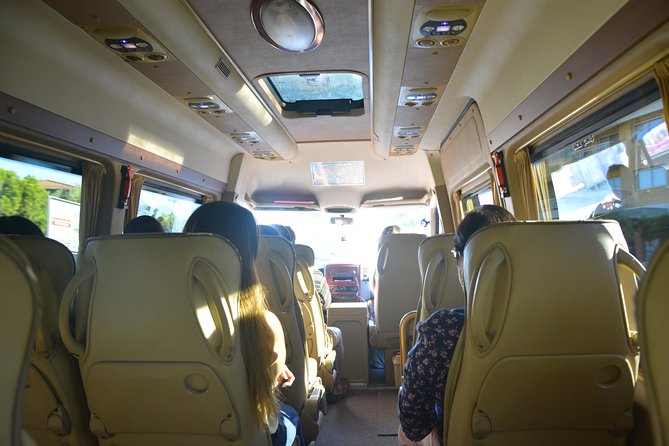
- Private van for just your party: You’re not herded with other groups, and you can move at a real human pace.
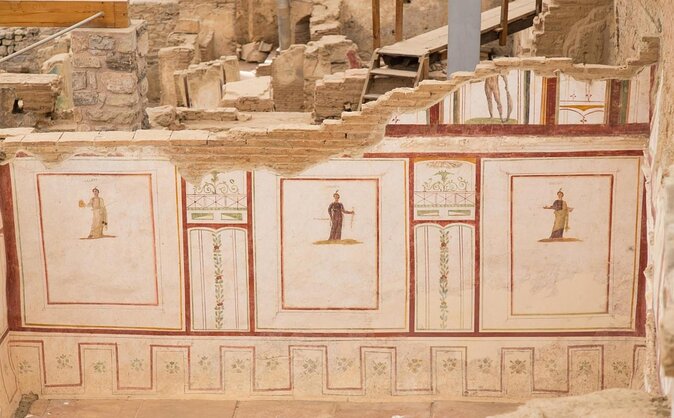
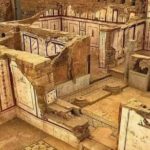
- Terrace Houses add the “Roman luxury” level: Mosaics, frescoes, and even the early central heating system help you picture daily life.
- It combines Kuşadası landmarks with the big-ticket ruins: Pigeon Island’s castle and the 1618 Öküz Mehmet Paşa Caravanserai break up the day nicely.
- Your guide handles the practical stuff: Many tours will help you arrange tickets to skip ticket lines when possible.
- A countryside lunch comes included: Reviews describe it as a pleasant pause away from the ruins, typically with Turkish classics.
- On-time return is a core promise: For cruise ports, timing isn’t a detail—it’s the whole point.
Price and what you actually get for $30.25
At $30.25 per person, this is priced like a value-minded cruise excursion—especially because it’s private for your group and includes private transportation, parking, and cruise port pickup/drop-off.
Here’s the trade-off: the major entrance fees are not included. You should budget for:
- Ephesus entrance: €40 per person
- Terrace Houses: €15 per person
Temple of Artemis is listed as free, and you’ll also spend time at places in Kuşadası where entry is not emphasized the same way.
So the math comes down to this: you’re paying extra only when you want the paid archaeological core (Ephesus and the Terrace Houses). If you love walking sites with a guide and you’d otherwise pay for separate tickets or a less organized day, this private format often lands as good value.
If you're still narrowing it down, here are other tours in Kusadasi we've reviewed.

The cruise-port game plan: meeting time and on-time return
This tour is built for cruise schedules. You meet at the Kuşadası Cruise Terminal (and the company’s stated meeting point is at Ege PortsCamikebir, Liman Cd. No:10 area). The best tip is to not show up too early and not too late.
For cruises, the guidance is:
- Aim to meet about 30 minutes after your ship docks to avoid crowds and the worst heat.
- If your ship docks before 7:00 AM, they recommend meeting around 7:45 AM.
- For later arrivals, plan for 30–45 minutes after docking.
What you’re really buying with that timing advice is less waiting and less scrambling. Several review stories praise guides who stayed focused on exactly when to move, so you don’t lose time hunting for your van or getting stuck at the wrong end of a crowd.
Kusadası stops: Pigeon Island Castle and the caravanserai
Before you even reach Ephesus, you get a slice of Kuşadası that most quick tours skip.
Kuşadası Castle on Pigeon Island (quick but scenic)
You’ll visit Kuşadası Castle on Pigeon Island, an Ottoman-era fortress originally built for coastal defense. Even if you only spend a short stretch there, it gives you:
- a sense of why this coast mattered (pirate and invasion defense),
- panoramic views over the Aegean,
- photo angles that make the city feel like more than a cruise stop.
A bonus here is pacing. Ruins can be mentally heavy. A scenic break helps you enjoy Ephesus more when you arrive.
Öküz Mehmet Paşa Caravanserai (built for East–West trade)
Next is the Öküz Mehmet Paşa Caravanserai, built in 1618 as a trade stop for merchants moving between East and West. It’s a reminder that long before modern tourism, this region was part of major movement and commerce.
This stop works well because it’s tangible history. You can look at the architecture—arched entrance, thick stone walls—and connect it to the human reality of travelers needing shelter and protection for their goods.

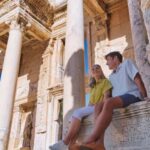
Entering Ephesus: guided walking through the city’s headline sights
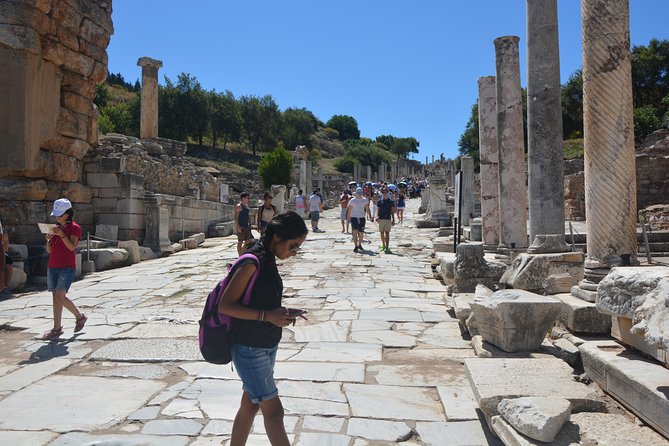
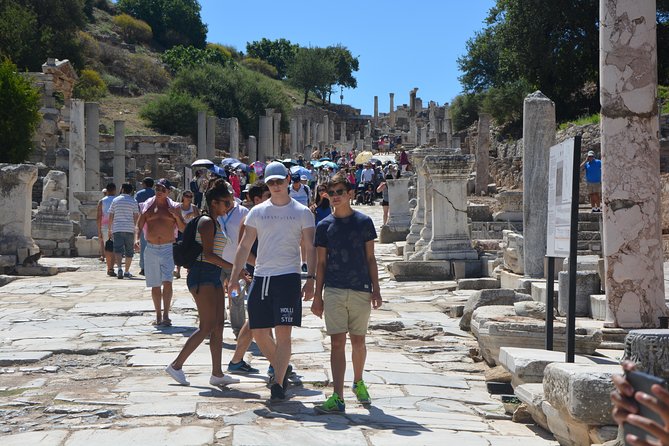
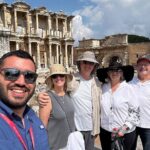
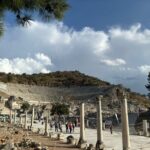
Once you step into Ephesus, the guide’s job is both storytelling and logistics. The site is huge, and crowds can make you feel like you’re walking through the same five camera angles as everyone else—unless you know how to move.
This tour focuses on the classic Ephesus highlights, including:
- Marble Street
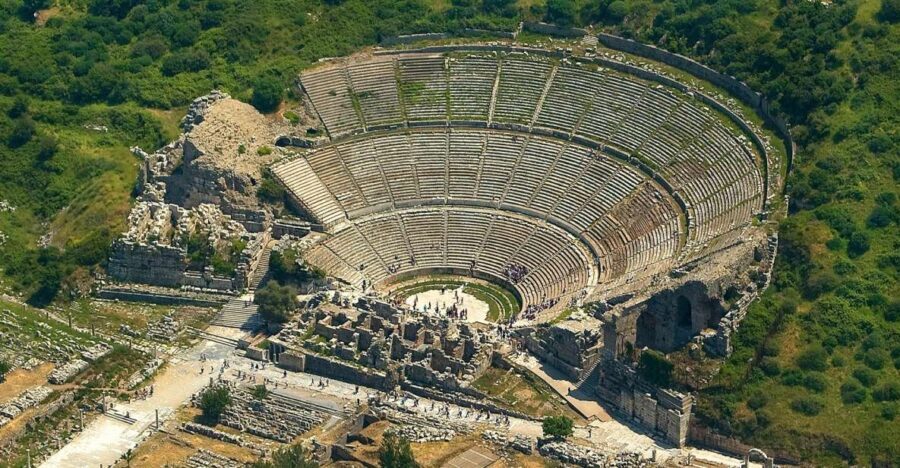
- the Great Theater (around 20,000 seats)
- the Public Agora (linked with St. Paul preaching)
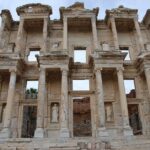
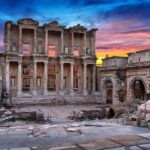
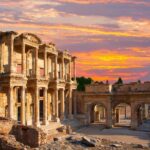
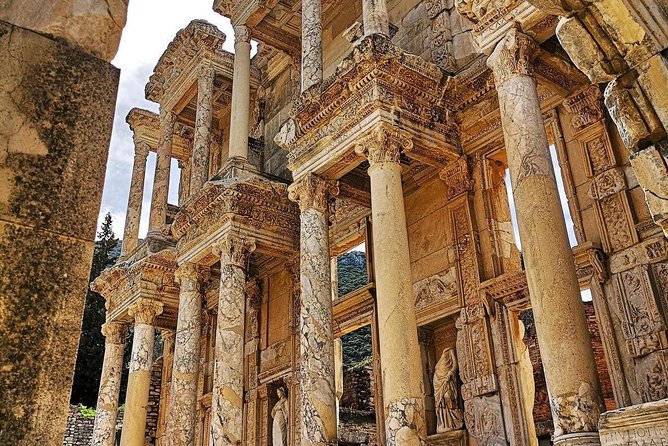
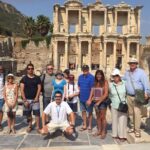
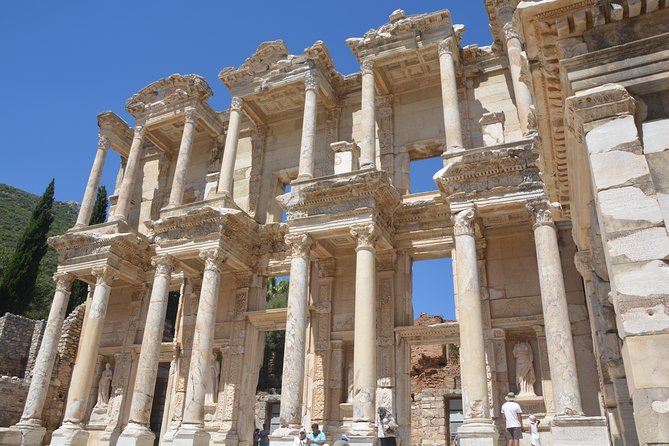
- Celsus Library (its restored façade is the photo magnet)
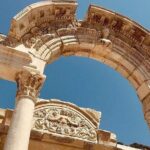
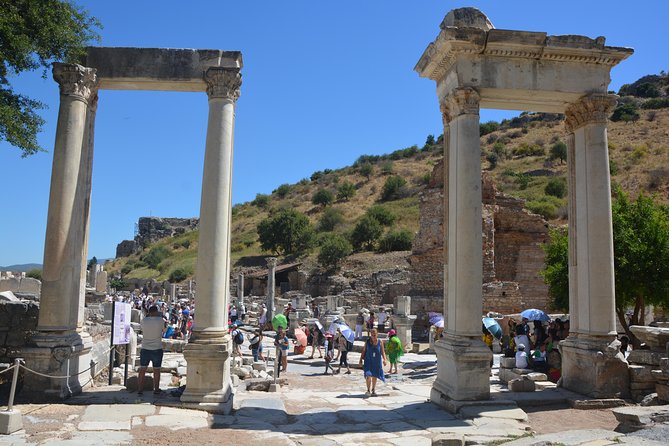
- Temple of Hadrian, Trajan Fountain, Domitian Temple
- the Odeon and other major ruins like the Roman Bath and Harbour Street
What I’d pay attention to while walking
Even if you’re not a hardcore Roman-history nerd, Ephesus is easiest to enjoy when you spot patterns:
- Look for street planning and why certain buildings sit where they do.
- Notice the scale jumps: a theater dwarfs everything around it, then you’ll suddenly be in small-detail spaces.
- Keep an eye on how the guide explains daily life—where people gathered, sold goods, worshiped, and performed.
The goal isn’t memorizing dates. It’s building a mental map.
The Temple of Artemis: short stop, big legacy
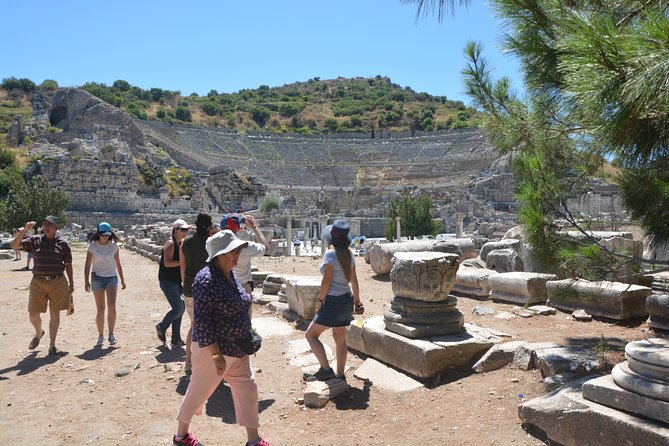
You’ll also visit the Temple of Artemis, one of the Seven Wonders of the Ancient World. It’s dedicated to Artemis, and the site history is part myth, part engineering.
A few details you’ll likely hear from your guide that make the ruins click:
- It was financed by the King of Lydia.
- It was built on marshy ground in a way meant to resist earthquakes.
Today you mainly see columns and ruins, not a full temple. That said, the site still lands because of what it represents—and because it’s a rare “wonder-of-the-world” stop on a cruise day.
Terrace Houses: where Ephesus becomes personal
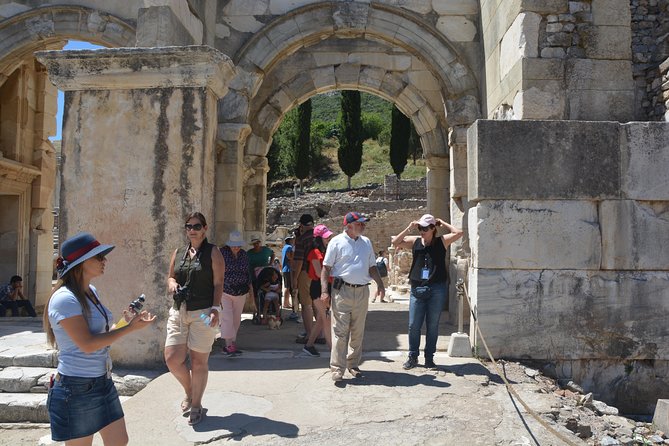
If Ephesus is the city-wide story, Terrace Houses are the “how the elite lived” chapter.
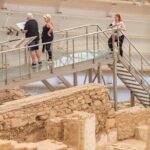
You’re visiting homes sometimes called the Houses of the Rich. They’re famous for:
- intricate mosaics
- vibrant frescoes
- advanced architecture features, including an early central heating system
This part often feels different from the open-air ruins. It’s closer to interior life—rooms, decoration, and practical building choices. If you love archaeology because it helps you imagine real people, this stop usually delivers.
Timing reality check
The Terrace Houses ticket is separate (€15 per person), and the visit is typically a shorter, focused segment (listed at about 45 minutes). That’s usually long enough to see the main spaces, but if you’re the type who wants to linger over details, you might want to ask your guide where to prioritize.
The “craft stops” and lunch: worth it if you go in with eyes open
A lot of Ephesus cruise tours include traditional shopping stops. The difference here is how they’re handled and what you do with your time.
From real day-of experiences, you may be taken to places such as:
- a ceramics shop or demo setting (pottery/ceramics process shown, showroom time afterward),
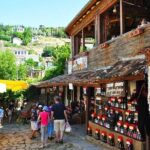
- a Turkish carpet/rug co-op where you can watch a rug-making demonstration.
These stops are not museum-style. They’re tied to sales. Several reviews note it can feel a bit sales-forward, but also that it’s often not high-pressure in the worst sense. One reviewer credited the process with being more interesting than expected—especially when the lunch is good and the demo is genuinely educational.
Lunch in the countryside: the break your feet need
Lunch is included and is described as happening in a calmer rural setting, often with a laid-back yard feel. Reviews mention Turkish dishes like salads, olive oil, eggplant, kebabs, and dessert, with atmospheres that make it feel less like you’re being rushed through a cafeteria line.
Beverages during lunch are not included, so if you want a drink with your meal, plan on paying extra.
Why the guides matter: the difference between stuck and informed
The biggest pattern in the best reviews is not just that the guide talks. It’s that the guide manages time, crowds, and attention.
Names that show up with strong praise include Bilal, Utku, Taylan Oner, Yeara, Umut, Nico, Ozzy, Ali, İrem, Ozy, Ahmet, and Ergin (driver mentioned for keeping the car cool and being polite).
What you should look for from your guide’s approach:
- They help you get into the site efficiently when it’s crowded.
- They adjust pacing so you still make your cruise return.
- Their English is often singled out as very clear, which makes a huge difference in archaeology—because small details are where the meaning lives.
Dealing with crowd levels at Ephesus (and still having a good day)
Ephesus can feel chaotic when multiple cruise ships are in port. One of the key cautionary notes from real experiences is that the initial meeting area can be crowded and confusing, especially when thousands pour out into the same small pickup zone.
Here’s how you protect your day:
- Meet around the recommended time (about 30 minutes after docking).
- Give yourself mental slack: even a private tour uses real-world lines.
- Trust your guide on site flow. The people who enjoy Ephesus most usually stop fighting the crowd and start following the plan.
Also remember this: Ephesus is outdoors. If the day is hot, you’ll want more shade breaks. Your guide can help you prioritize what you’ll see first and how fast you move between points.
How long it really takes: 3–5 hours and why it varies
The tour is listed as 3 to 5 hours depending on timing and conditions. Your real duration will depend on:
- how quickly you can get through entry and the busiest sections,
- how much time you spend at paid stops (Ephesus and Terrace Houses),
- the craft demo and lunch pace.
If you’re on a short cruise port window, this format is still designed to work. The repeated emphasis is on guaranteed on-time return to the cruise port.
Who should book this private Ephesus cruise tour?
This is a strong fit if:
- You want private transportation and a guide focused only on your group.
- You care about seeing both the headline ruins and the extra layer of the Terrace Houses.
- You’re time-limited by a cruise schedule and want a plan that keeps return logistics tight.
- You like your history with clear explanations and quick orientation instead of wandering on your own.
It may be less ideal if:
- You hate any shopping stops at all. Expect that you might be taken to ceramics and carpet-related venues because it’s part of how many versions of this day run.
- You want empty ruins. Even with a private guide, Ephesus can be packed.
Should you book it?
I’d book this if you want the best shot at enjoying Ephesus without the usual cruise chaos. The combination of a licensed local guide, paid-entry planning, Terrace Houses time, and an included countryside lunch makes it feel like a real day—not just a drive-by.
However, go in with two expectations: Ephesus may be crowded, and there will likely be some craft-focused stops where shopping is part of the deal. If you’re okay with that and you care about guided interpretation, this private setup is a smart way to spend a Kuşadası day.
FAQ
What’s the duration of the tour?
The tour is listed at about 3 to 5 hours depending on the day and timing.
Is pickup included for cruise passengers?
Yes. The tour offers pickup from the Kuşadası Cruise Terminal, with meeting details for cruise timing.
Is this a private tour?
Yes. It’s an exclusive private tour for your party only with no sharing with other groups.
Are entrance fees included for Ephesus and Terrace Houses?
No. Ephesus entrance (€40 per person) and Terrace Houses (€15 per person) are not included.
Is the Temple of Artemis entrance free?
The Temple of Artemis is listed with free admission.
What about skipping ticket lines?
You can ask your guide to arrange tickets to help skip ticket lines, paying any needed fees in cash to the guide.
Is lunch included?
Yes. Lunch in the countryside is included, but beverages during lunch are not.
Does the tour guarantee a return to the cruise port on time?
Yes. The tour emphasizes a guaranteed on-time return so you arrive back before departure.
What should I do to confirm my meeting time?
After booking, contact the team with your cruise ship name and your arrival/on-board times so they can suggest the best meeting time.
What if the weather is bad?
The experience requires good weather. If it’s canceled due to poor weather, you’ll be offered a different date or a full refund.