REVIEW · KUSADASI
Ancient Ephesus and Pamukkale Tour from-to Kusadasi or Selcuk
Book on Viator →Operated by Tour Altinkum Travel · Bookable on Viator
Two UNESCO sites, one huge day. You’ll walk through Ancient Ephesus and end at Pamukkale’s white travertines and Hierapolis ruins. It’s a packed route, but the payoff is huge: big sights, clear explanations, and photo stops built into the schedule.
I especially like the door-to-door transfers from Kusadasi or Selcuk. And the guides have a knack for making the place click—people highlighted guides like Serge, Izik/İsik, and Ali for being punctual, patient, and genuinely helpful when you want extra time for photos.
One thing to think about: entrance fees aren’t included, and the Pamukkale/Hierapolis stretch is only a few hours. If you’re the type who could happily linger at the pools for ages, you may feel the time pressure.
In This Review
- Key things to know before you go
- Why this one-day pairing works: Ephesus + Pamukkale in the same rhythm
- Kusadasi pickup and the quick start that saves your whole day
- Entering Ancient Ephesus: St. Paul’s footsteps and the gateway city
- The big Ephesus sights you’ll be aiming for
- Ephesus in 2 hours: what you get, and what you might miss
- Moving from Ephesus to Hierapolis & Pamukkale: a hard pivot from stone to water
- Pamukkale’s travertines: ice-white terraces and the thermal-spring story
- A helpful tip you’ll hear from some guides
- When the pools are under renovation
- Hierapolis ruins: sunken columns and the Greco-Roman layer
- The lunch break: where the day slows down just enough
- Price and value: what $280 buys you (and what it doesn’t)
- Guides make or break a day like this
- Photos and timing: how to actually get the shot you want
- Who should book this tour, and who should skip it
- Should you book this Ancient Ephesus and Pamukkale day tour?
- FAQ
- What time does the tour start?
- Do you pick up from Kusadasi or Selcuk hotels?
- Is this tour private or shared with others?
- How long is the tour?
- Are entrance fees included in the $280 price?
- How do Skip-The-Line tickets work, and how do I pay entrance fees?
- Is lunch included? Are beverages included?
- Is it free for children under 8 years old?
- What is the cancellation policy?
Key things to know before you go

- Skip-the-Line help: your guide has pre-paid tickets for each site; you pay the entrance fee to the guide in cash (USD, Euro, or Turkish lira).
- Private, just your group: no mixing with strangers, so you can move at a pace that fits your family or small group.
- Two UNESCO stops in one day: Ephesus plus Pamukkale/Hierapolis without the hassle of separate tours.
- Photogenic moments built in: think Library of Celsus views, travertine terraces, and sunken ruins at Hierapolis.
- Licensed guide + lunch included: a proper Turkish restaurant meal is part of the plan, but beverages aren’t included.
- A long day with limited time on-site: about 14 hours total, with roughly 2 hours at Ephesus and about 3 hours at Pamukkale/Hierapolis.
Why this one-day pairing works: Ephesus + Pamukkale in the same rhythm
This tour is designed for one simple goal: see two UNESCO World Heritage sites on one schedule. You start early (8:00 am) and spend most of the day bouncing between ancient streets and thermal terraces, with a licensed guide steering the story from start to finish.
The value isn’t just that the sites are famous. It’s that you get a private guide to point out what matters in each place, instead of wandering and guessing. Ephesus is massive; Pamukkale and Hierapolis cover a lot of ground too. With limited time, guidance is the difference between a check-the-box visit and a visit that actually makes sense.
Other Ephesus Ancient City tours we've reviewed in Kusadasi



Kusadasi pickup and the quick start that saves your whole day
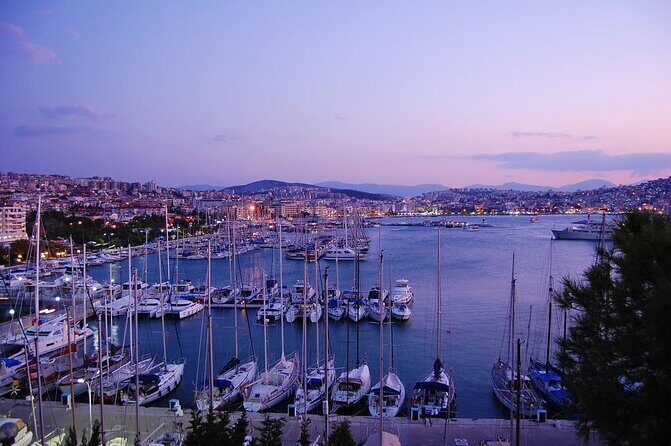
The day begins with meeting your guide around pickup time from Kusadasi or Selcuk hotels, then you roll out in an air-conditioned vehicle. There’s a short Kusadasi stop on the schedule before the main drive, and then the day shifts quickly into history mode.
If you want less hassle and more sightseeing time, this door-to-door approach helps. You’re not trying to figure out local transport after a long day of walking and heat.
Also, the tour uses a mobile ticket, which is handy when you’re switching between stops and don’t want to manage extra paper.
Entering Ancient Ephesus: St. Paul’s footsteps and the gateway city
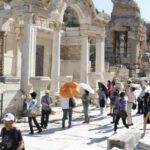
Ephesus isn’t just pretty ruins on a hillside. It was a true engine of the ancient world, and your guide helps you see it that way. You’ll hear how Ephesus sat at the crossroads between East and West, acting as a trading gateway with a giant harbor. And it’s not a small city, either—during the 1st century AD it’s described as the second-largest city after Rome, with more than 250,000 citizens.
This stop is about 2 hours, so it’s not a slow, museum-style visit. You’re there to focus on the big, meaningful highlights—places that anchor the bigger story of religion, empire, and commerce.
If you like context, you’ll appreciate the way Ephesus is framed here: it’s tied to the broader Christian world (St. Paul’s footsteps), and it also connects to famous legends and famous people. The tour info even notes Mark Anthony and Cleopatra as having spent their honeymoon in Ephesus, which helps explain why the city looms so large in popular history.
The big Ephesus sights you’ll be aiming for
In that 2-hour window, you’ll line up the landmarks that define the site.
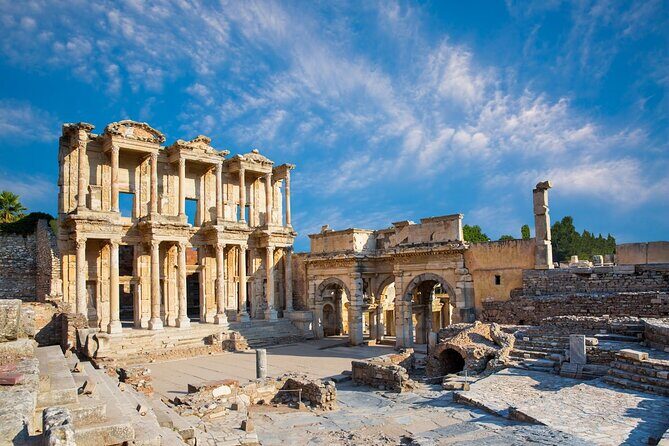
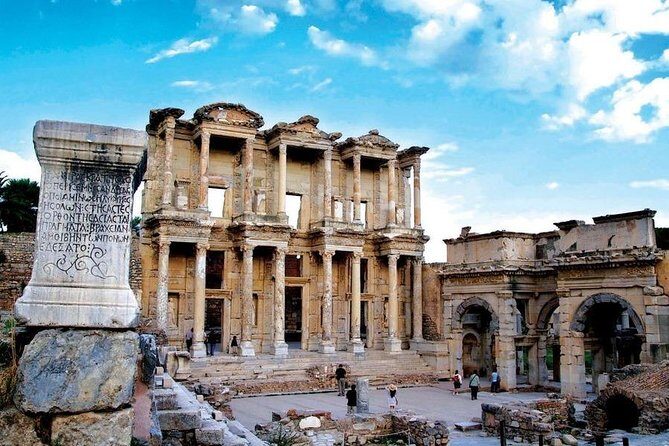
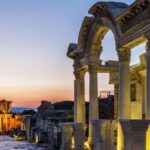
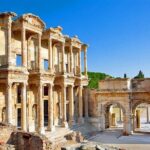
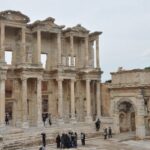
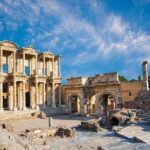
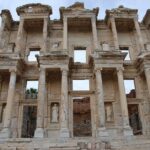
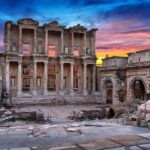
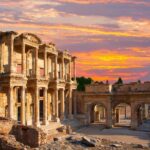
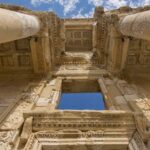
- Library of Celsus (photo moment): this is where your camera tends to find a foothold—clean angles and dramatic scale make it a natural “stop and breathe” moment.
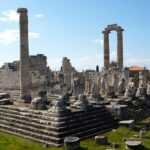
- Temple of Artemis (context stop): the tour notes Artemis as part of the Ephesus story. Even if you’re not spending a long time there, it’s useful to understand what Artemis meant to the city.
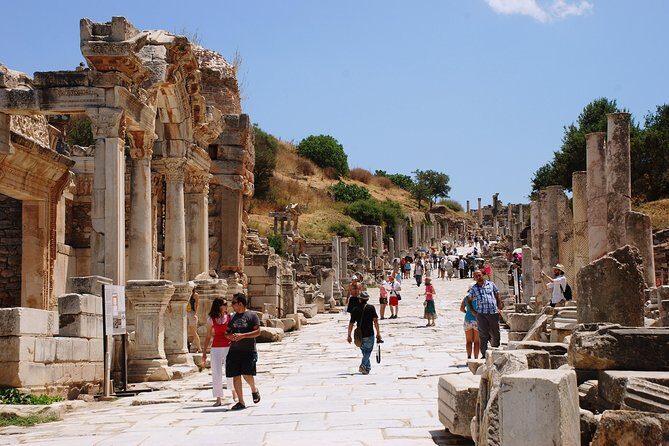
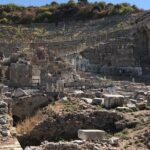
- Ancient streets and the sense of scale: the guide’s job is to help you connect the dots fast, so the ruins feel less like scattered stones.
Ephesus in 2 hours: what you get, and what you might miss
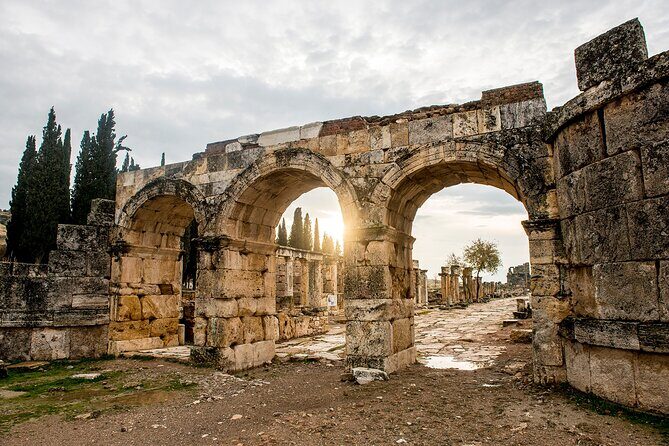
Two hours at Ephesus sounds short, but for many visitors it’s the right match for a long day. The tradeoff is simple: you’ll hit top highlights, but you won’t get every corner.
That’s why the guide matters. When your guide has the plan and knows where to pull you next, the time limit becomes manageable. You’ll cover more ground and you’ll come away with real takeaways—especially if you enjoy architecture and urban planning.
One practical thing: Ephesus entrance fees are not included in the tour price, so budget for that extra cost on the day. Your guide handles the ticket part via a Skip-the-Line setup, which can reduce queue time, but you’ll still pay the entrance fee.
Other Selcuk tours we've reviewed in Kusadasi


Moving from Ephesus to Hierapolis & Pamukkale: a hard pivot from stone to water
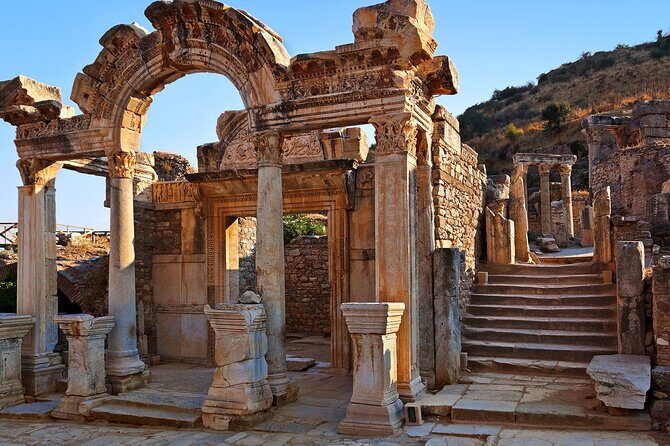
Once you leave Ephesus, the day pivots. You go from large-scale ruins to a landscape shaped by water and minerals. That shift is part of what makes this tour feel special—your senses reset instead of just doing more of the same.
Hierapolis and Pamukkale are linked in a way that’s easy to understand once you’re there. Hierapolis gives you the Greco-Roman remains, while Pamukkale is the thermal site with terraces created by long-term mineral flow.
This stop block is about 3 hours, including the walk through Hierapolis and your time at Pamukkale.
Pamukkale’s travertines: ice-white terraces and the thermal-spring story
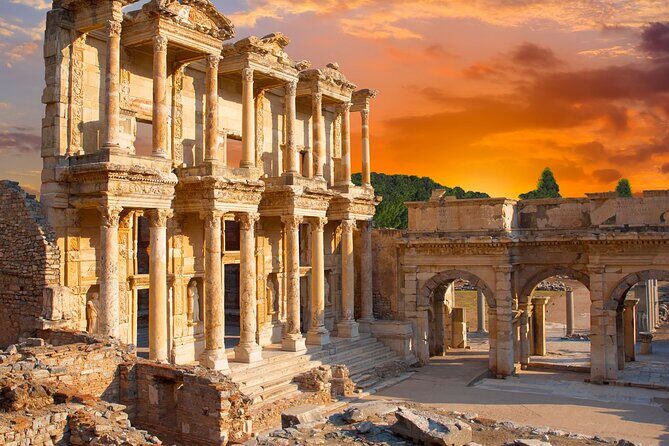
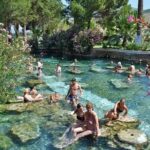
Pamukkale is all about those ice-white travertines and the thermal pools that earned it the nickname Pools of Heaven on Earth. The tour explanation connects the visuals to the science: warm spring water at around 35°C runs over the terraces, carrying calcium bicarbonate that contributes to the mineral build-up.
It’s also framed as a historic spa destination—considered one of the earliest spas, where people traveled long distances seeking healing powers. That’s a big reason Pamukkale feels different from typical archaeological sites. You’re not only looking at structures—you’re experiencing a living landscape shaped by geology and water.
A helpful tip you’ll hear from some guides
One of the small, memorable details that came up in guide feedback: some guides recommend using the pool mineral to gently scrub the skin. It’s the kind of practical tip that makes a thermal stop feel more interactive, as long as it’s allowed and you follow on-site rules.
When the pools are under renovation
Here’s the balanced note: one review mentioned that the pool was under renovation. That can shrink what’s open for photos and walking, and it can also change how much time you end up spending in the most famous areas. Even with a good guide, renovations are outside anyone’s control.
If Pamukkale is the main reason you’re coming, it’s worth keeping your expectations flexible. You’ll still see the terraces and the thermal feel—but don’t plan on a perfect, fully open experience at every moment.
Hierapolis ruins: sunken columns and the Greco-Roman layer
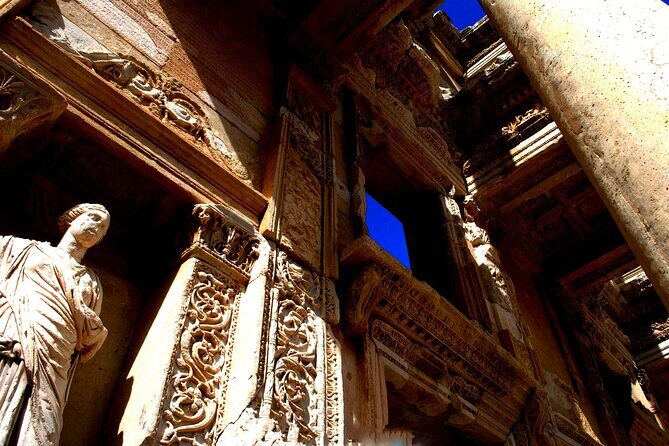
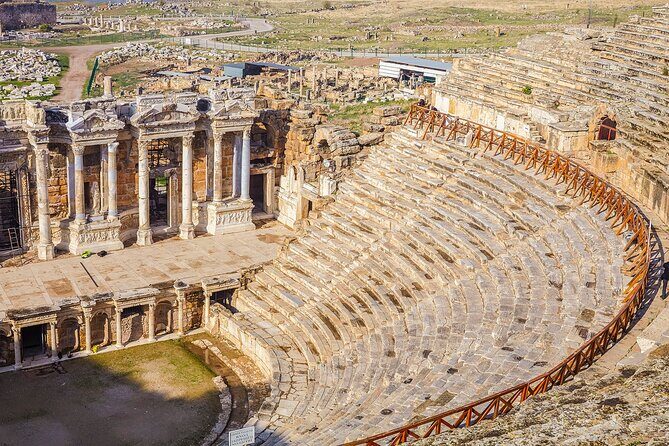
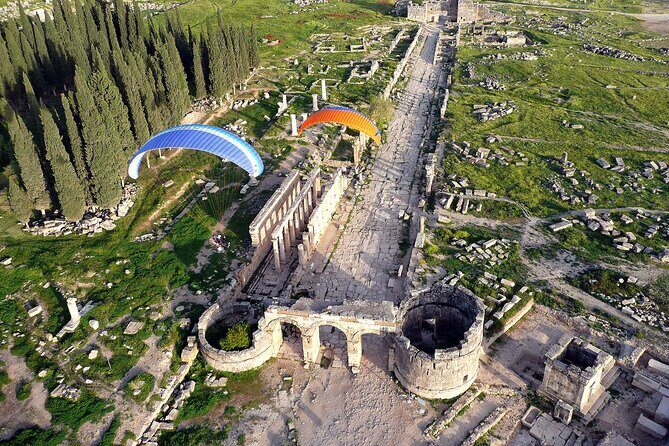
Hierapolis adds a second layer to the day. You’ll walk through Greco-Roman remains, including the kind of views that make people stop and stare—sunk features and column remnants that look like they’ve been folded into the terrain.
The tour highlights include photo-worthy scenes like sunken columns, which are especially striking once you see them in person. In other words: Pamukkale isn’t only about white terraces; the ruins help you understand what this place was when it was thriving.
This is also where a good guide pays off again. If you only had a self-guided walk, you’d still notice impressive architecture. With guidance, you’ll understand how the ruins relate to the spa city idea—people came for healing, and the settlement grew into something bigger than a spring.
The lunch break: where the day slows down just enough
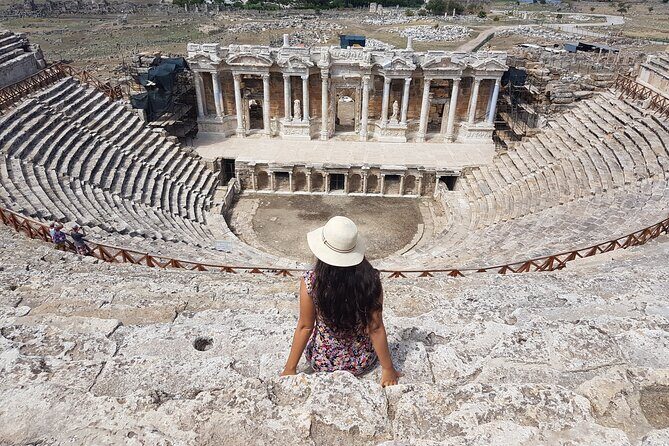
You’ll stop for lunch in a local restaurant, and that’s included. Drinks with the meal aren’t included, so keep that in mind if you like soda, tea, or bottled water with your food.
I like this part of the design. When you’re stacking Ephesus and Pamukkale into one day, you need a real reset—food, a chair, and a chance to talk with your guide about what you just saw.
Price and value: what $280 buys you (and what it doesn’t)
The price is listed at $280 per person for a tour that runs about 14 hours. That total cost is for a licensed tour guide, transportation in an air-conditioned non-smoking vehicle, and the included lunch.
What’s not included: entrance fees for Ancient City of Ephesus and Hierapolis & Pamukkale. So think of the $280 as paying for the guided day and logistics, while the archaeological site admissions are added on.
That can be totally fine value—especially because the tour description says your guide has pre-paid Skip-The-Line tickets for each site. In practice, that reduces time lost in ticket lines, which is a real benefit when your schedule is tight and the day is long.
If you’re the kind of traveler who would otherwise try to stitch together transfers and self-guided entry tickets, this kind of pricing starts to make more sense. You’re paying for time saved, a guide to keep you oriented, and a schedule that doesn’t collapse when one part runs late.
Guides make or break a day like this
The strongest praise in the feedback points to guides who blend history with patience. People referenced guides like Serge for being knowledgeable and professional and Izik/İsik for being extremely patient and helpful with explanations. Ali also came up, with praise for being kind and for catering to extra photo stops.
That matters here because the day is time-boxed. When you’re only in Ephesus for around 2 hours and Pamukkale/Hierapolis for around 3, you want someone who can prioritize what you’ll see and help you understand it quickly.
So if you care about clarity—why places look the way they do, and what role the sites played—you’re in the right type of tour.
Photos and timing: how to actually get the shot you want
This tour is built around visual anchors. Library of Celsus is your big “make the camera work” moment in Ephesus. Pamukkale’s travertines and Hierapolis sunken columns are the main photo draws on the second half.
Still, the reality is you won’t have unlimited time at every viewpoint. If you’re picture-focused (and hey, no shame), this is where good guiding helps: someone can suggest angles, manage the group pace, and adjust when you want a few extra minutes.
One thing to watch: renovations. If a key pool area is closed, your photo options may shift, even if the views remain stunning.
Who should book this tour, and who should skip it
This is a great fit if:
- You want two UNESCO sites in one day without the stress of planning and transfers.
- You enjoy history that’s explained in a way you can actually follow during fast pacing.
- You want door-to-door pickup from Kusadasi or Selcuk.
You might want to skip it if:
- You hate feeling rushed. The Pamukkale/Hierapolis block can feel short, especially if you’re hoping for long pool time.
- You’re coming specifically for the thermal pools and want maximum access, with no chance of renovation affecting what’s open.
Most travelers can participate, but this is still a long day with walking through major sites.
Should you book this Ancient Ephesus and Pamukkale day tour?
If you’re choosing between separate half-days or DIY planning, this combo is a smart way to save time. The guide-led structure, included lunch, and Skip-The-Line setup for major sites make the day feel organized, not chaotic.
Book it if you want a guided highlights route that still feels meaningful—especially if a licensed guide’s explanations matter to you. Skip it if Pamukkale is your only priority and you need lots of time in the thermal pools with zero schedule constraints.
If you do book, plan your budget for entrance fees on the day and keep expectations flexible for anything open or closed at Pamukkale. That way, you’ll enjoy the day for what it is: a fast, photo-friendly journey through two of Turkey’s biggest UNESCO names.
FAQ
What time does the tour start?
The tour starts at 8:00 am.
Do you pick up from Kusadasi or Selcuk hotels?
Yes. Pickup is offered from Kusadasi or Selcuk hotels, and transfers are included in the tour.
Is this tour private or shared with others?
This is a private tour/activity. Only your group will participate.
How long is the tour?
It runs about 14 hours.
Are entrance fees included in the $280 price?
No. Entrance fees for Ancient City of Ephesus and for Hierapolis & Pamukkale are not included.
How do Skip-The-Line tickets work, and how do I pay entrance fees?
Your guide has pre-paid Skip-The-Line tickets for each site. The entrance fee used can be paid to the tour guide in cash in USD, Euro, or Turkish lira.
Is lunch included? Are beverages included?
Lunch in a local restaurant is included. Beverages with meals are not included.
Is it free for children under 8 years old?
Yes, children 8 years and below can enter for free. The tour info recommends taking a passport for children if any.
What is the cancellation policy?
You can cancel for a full refund up to 24 hours before the experience’s start time. If you cancel less than 24 hours before, the amount paid isn’t refunded.