REVIEW · KUSADASI
From Kusadasi and Selcuk: Pamukkale and Hiearapolis Tour
Book on GetYourGuide →Operated by Castle Travel · Bookable on GetYourGuide
Pamukkale looks unreal until you stand there. This tour strings together Pamukkale & Hierapolis and the drive along the Meander Valley, then gives you real time to roam. I especially like the chance to walk the calcium terraces at your own pace, and I like having live English guidance that ties the old ruins to what you’re seeing today. The one thing to consider is the pace is built for a single-day hit: you’ll spend plenty of time on the road, and pool time can feel tight when crowds build.
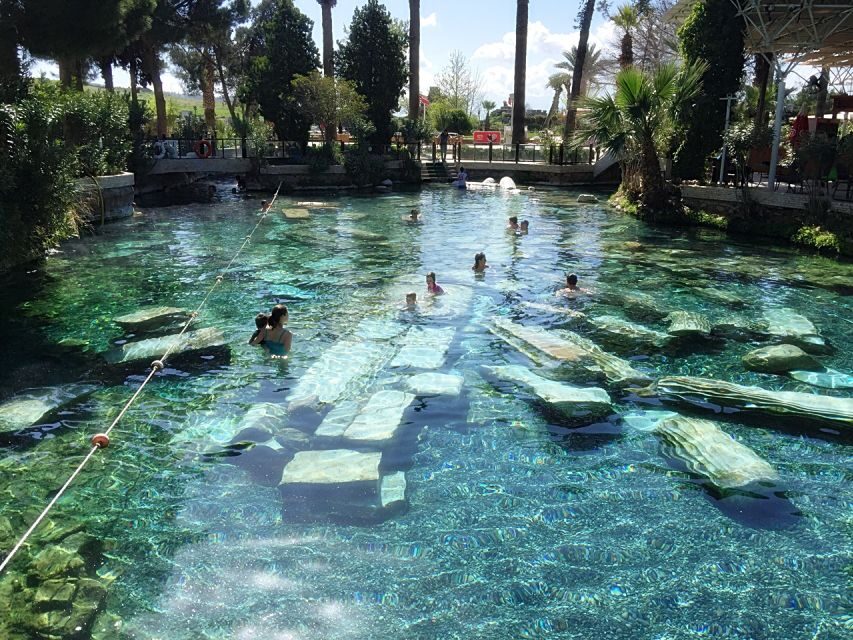
For many people, the highlight is the thermal water itself, including a possible swim in the area known as Cleopatra or the Antique Pool (extra fee). You’ll also get a solid sample of Hierapolis, including its big ancient cemetery and several standout Roman-era stops, before heading back to the coast in the late afternoon.
In This Review
- Key things I’d plan around
- Why this is a classic Aegean coast pairing
- Pickup and the long drive that still feels useful
- Hierapolis: where necropolis scale hits you
- Pamukkale’s calcium terraces: the physics of white rock
- The Sacred Pool moment, plus why you should dry off
- Cleopatra’s Antique Pool swim: the add-on fee decision
- Timing at Pamukkale: 2 hours that can feel short or perfect
- Lunch, English guidance, and the small-group effect
- What to bring, and who should skip this one
- Value check: is $118 a fair deal?
- Should you book this Pamukkale & Hierapolis tour?
- FAQ
- What is the duration of the tour?
- How much does the tour cost?
- What does the tour include?
- What extra costs should I expect?
- Will there be time to explore on my own?
- Is the tour skip-the-ticket-line?
- How big is the group?
- Where are pickup and drop-off available?
- What should I bring to the tour?
- Is it suitable for everyone?
Key things I’d plan around
- UNESCO site coverage: Hierapolis ruins plus Pamukkale’s famous white terraces in one day
- Small group size (up to 14): easier movement, more human pacing than big buses
- Photo-friendly stops: time built in for scenic views and standout ancient details
- Thermal pools with a real minerals story: warm calcium-rich water that leaves visible deposits
- Cleopatra/Antique Pool is add-on: swimming there costs extra, while other terrace time is included
- Long but scenic ride: Meander Valley views, with breaks to reset your legs
Why this is a classic Aegean coast pairing
If you’re basing yourself in Kuşadası or Selçuk, this day trip is one of the simplest ways to see Pamukkale without figuring out transport on your own. The tour is built around two separate experiences that actually make sense together: Hierapolis gives you the ancient city layers, then Pamukkale shows you the thermal wonder that made the site famous.
What I like about the format is that it isn’t just a checklist. You get guided time for the big pieces, then you get free time long enough to linger. That matters at Pamukkale, where the best moments are the ones you control: finding your angle for photos, walking at a slow step, or taking a careful pause before you step into the warm water.
The total day runs about 10.5 hours, with pickup, a drive inland, time on-site, and the return to your hotel area in the late afternoon.
Other Selcuk tours we've reviewed in Kusadasi
Pickup and the long drive that still feels useful
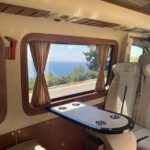
You start with hotel pickup from a few Kuşadası and Selçuk-area options, then you head inland. Expect a few hours of driving to get to the Pamukkale region, plus scheduled breaks. There’s a midway stop in Atça (around 30 minutes) and another break window tied to lunch time, so you’re not stuck with zero legs-for-lungs time.
The drive isn’t just dead time. You pass through the Meander Valley area with mountain views, farming lands, fruit tree gardens, and small towns and villages. If you hate road time, you’ll still want to keep one eye up, because the change from coastal bustle to inland farmland is part of the day’s mood.
You’ll also have a short photo stop along the way. It’s brief, but that’s exactly how a lot of people want it: a chance to grab a view without turning the day into a series of detours.
Hierapolis: where necropolis scale hits you
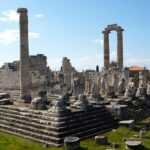
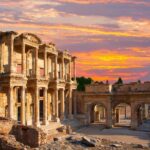
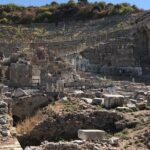
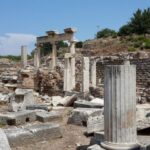
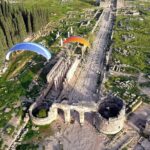
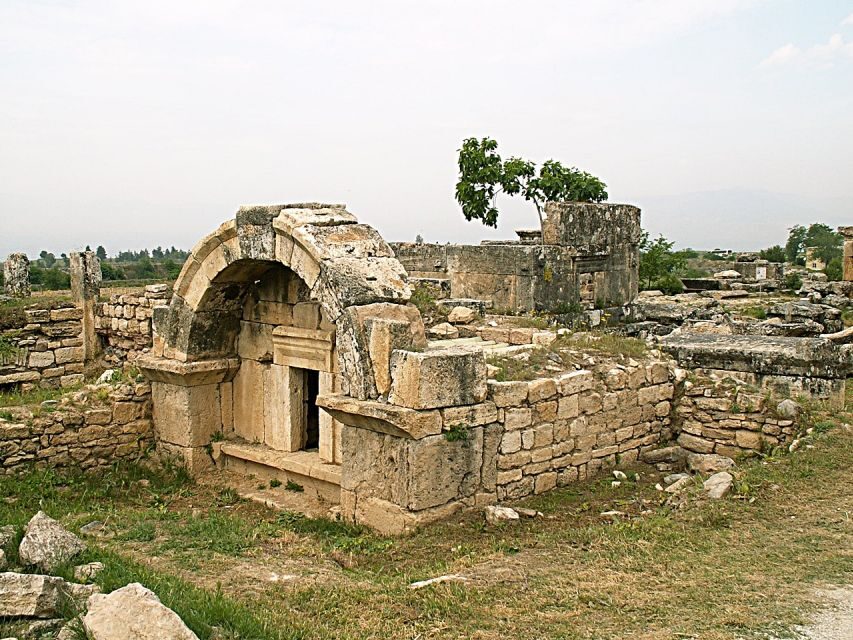
Hierapolis is the first major stop, and it comes with a strong sense of scale. The Necropolis (cemetery) is described as one of the biggest ancient cemeteries in Anatolia, with about 1,200 graves. When you stand there, you quickly understand why cemeteries of this size were more than burial grounds. They’re city-size landmarks.
You’ll also see several other named highlights with Roman and later layers, including:
- Roman Bath
- Domitian Gate
- Main Street
- Byzantian Gate
You’re given about one hour of free time for sightseeing and a walk-through, so you can choose your rhythm. If you like ruins that reward slow looking, this is a good moment to slow down. If you’re more of a photos-first person, you’ll still get time to catch key angles without feeling rushed the whole way.
Practical tip: Hierapolis walks can include uneven ground and hot surfaces. Comfortable shoes matter here more than you think.
Pamukkale’s calcium terraces: the physics of white rock
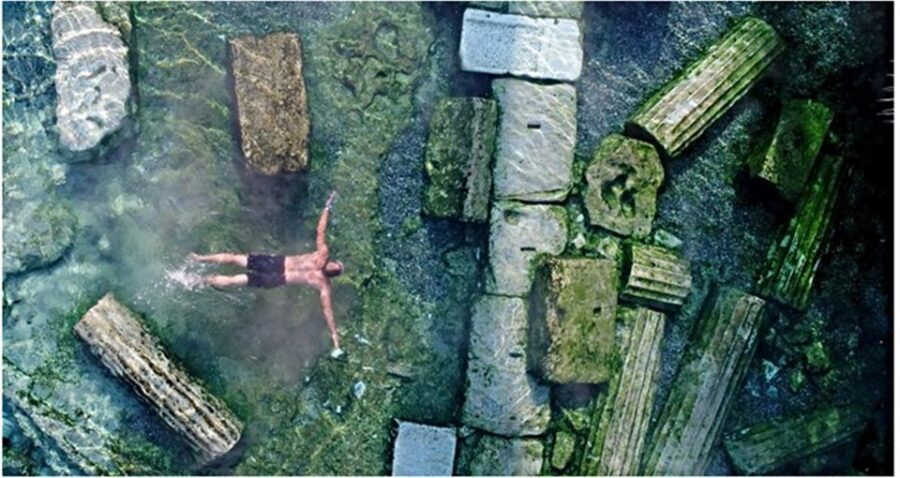
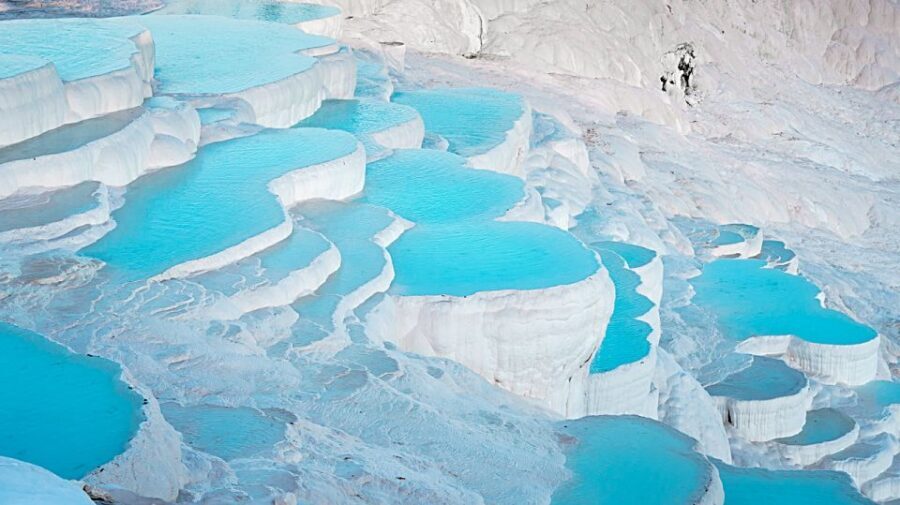
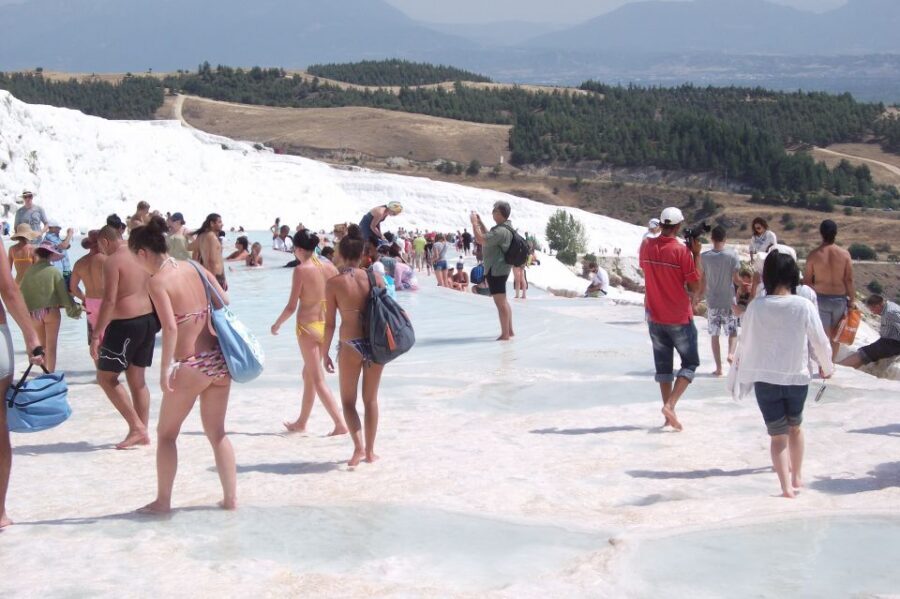
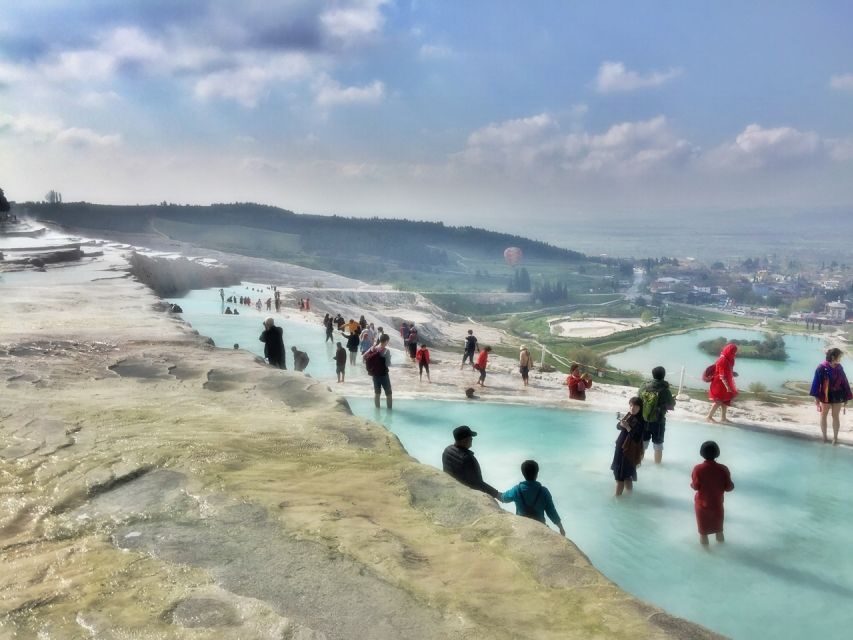
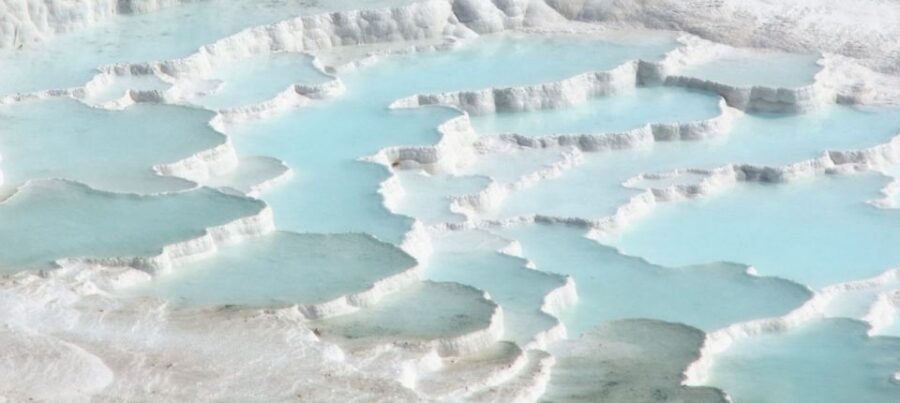
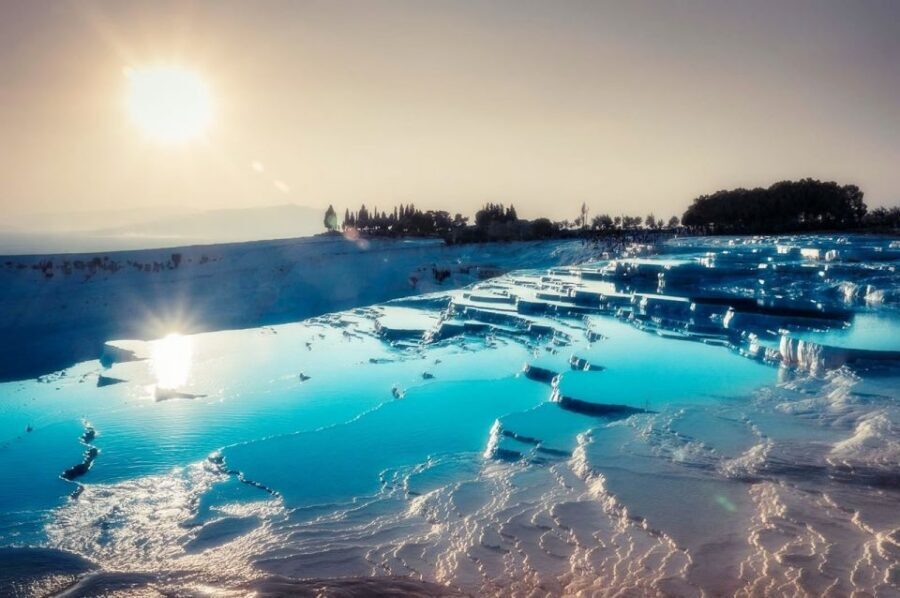
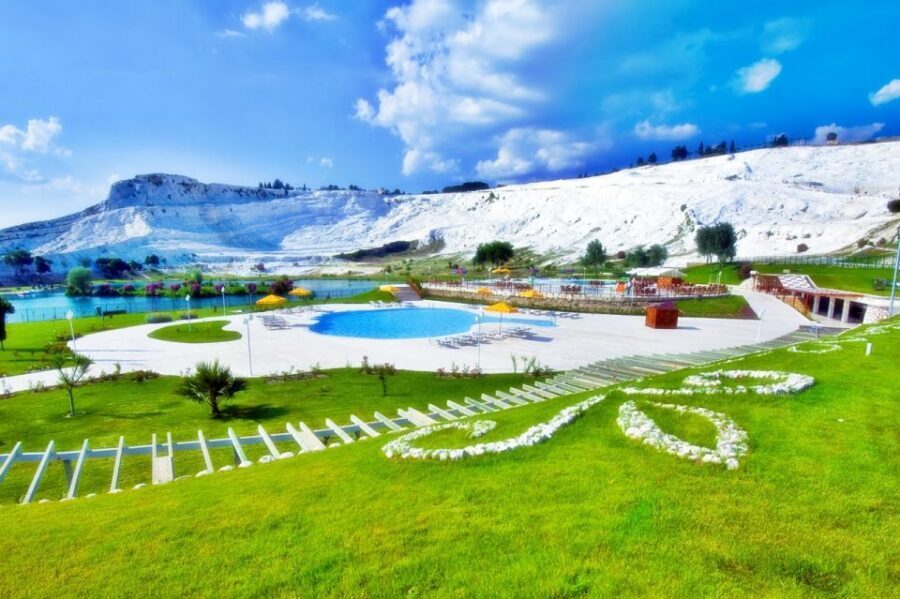
Then you move to Pamukkale, where the setting looks like white terraces poured from the sky. This is the famous thermal effect: warm water rich in minerals flows, and over time it leaves visible calcium deposits that form the stepped look.
What helps you understand Pamukkale is the water profile. The thermal pools are described as warm water with high levels of calcium, plus minerals such as calcium bicarbonate, calcium sulfate, magnesium, and carbon dioxide. The water is also described as having high levels of natural radioactivity. That sounds dramatic, but the key takeaway for most visitors is practical: you’re not meant to treat it like a regular pool, and you should follow the site rules and guidance on how to handle your skin and time in the water.
At the terraces, you can walk around, take photos, and enjoy some self-guided time. The day’s structure gives you about two hours at Pamukkale for sightseeing and thermal-water time.
If you want the best experience, plan to go in with a slow mindset. Pamukkale doesn’t feel like a fast museum stop. It’s more like a place where you keep adjusting your viewpoint to match the light and the texture of the deposits.
The Sacred Pool moment, plus why you should dry off
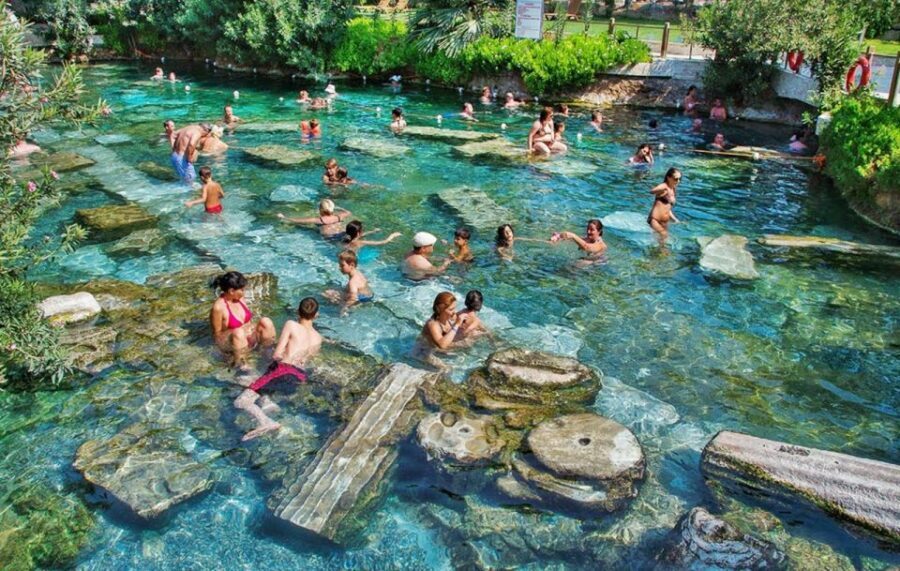
One of the top experiences at Pamukkale is time around the warm, effervescent waters of the Sacred Pool. The description includes guidance that after swimming, you should simply dry off and let the minerals do their job.
That advice is easy to skip if you’re worried about comfort, but it’s part of how people experience the place. The mineral content and heat are what make the terraces possible in the first place—this isn’t just about dipping your feet.
How long should you plan to stay in the water? The tour gives you free time at Pamukkale, so you can choose. Still, don’t treat it like a long swim session. It’s best approached as a few rounds of thermal time, then a walk around to see how the deposits look from different angles.
Crowds can be intense. One useful way to handle that is simple: don’t fight for the same spot everyone is aiming for. Walk the edges. Move a step up or down the terraces and you’ll usually find a calmer pocket for photos.
Other Pamukkale combo tours we've reviewed in Kusadasi

Cleopatra’s Antique Pool swim: the add-on fee decision
Swimming in the area often called Cleopatra’s Antique Pool (or the Antique Pool) is listed as an extra cost: 6 Euro, and it isn’t included in the base price. If you want that classic bucket-list swim, this is the moment to decide early so you’re not stuck scrambling when you arrive.
What you’ll need is basic pool readiness:
- Swimwear
- Towel
- Sunscreen (high priority)
- Sun hat and sunglasses
- Beachwear you’re comfortable wearing on the short walk back
Also, bring the right expectations. Even when the pools look inviting, they may not all have the same water conditions at every moment, and some areas can be more crowded than others. You’ll still get terrific terrace time without paying the add-on—just know that the full-on swim experience is what costs extra.
If you’re traveling with kids, this is worth thinking through too. Younger visitors can enjoy the view and walking, but swimming decisions will depend on comfort and willingness to be in warm mineral water.
Timing at Pamukkale: 2 hours that can feel short or perfect
You get a couple of hours at Pamukkale for sightseeing, walking, and optional swimming. Whether that feels ideal depends on you.
If you love photography and want calm, unhurried moments, you’ll want to treat Pamukkale like a timed circuit:
- Start with terraces for photos.
- Then move toward the pool area for warm-water time.
- Finish with another terrace walk to reset your eye and catch new angles.
Because the tour is a day trip, your afternoon energy will likely matter. Plan to conserve it. Heat and sun are real here, and the terraces can be tiring underfoot.
When you’ve done your own pace version of Pamukkale, you’ll head back toward the coast with another stretch of driving in the late day, typically around three hours back.
Lunch, English guidance, and the small-group effect
Lunch is included, and it’s part of how the day stays workable for most people. There’s a set lunch window (around 80 minutes), which usually means you can eat without racing your meal.
The guidance is live and in English, and the tour runs as a small group (up to 14). That small-group size changes the tone. You move together, but you’re not trapped in a crowd of strangers. It also makes questions easier at the ruins, especially when you want context for what you’re seeing.
Guides can vary by date, but past groups have included people like Yetkin, Mustafa, Harun, Resit Yildirim, and Ali. What’s consistent in their role is the way they connect the geology and ruins so the day doesn’t feel like disconnected stops.
One more note: a quick shopping stop has shown up on some departures in the past (like an onyx factory visit). It can be optional in practice, but it’s smart to assume there may be a short detour at some points. If you prefer zero shopping, ask the guide on the day how strictly it’s built into the schedule.
What to bring, and who should skip this one
This tour is wheelchair accessible, but it’s still a walking-and-standing day with uneven surfaces. Bring what helps you stay comfortable and safe:
- Comfortable shoes
- Sunglasses
- Sun hat
- Swimwear
- Towel
- Sunscreen
- Beachwear
Not allowed: drones and tripods. If you’re planning a serious camera setup, plan around that.
Health fit matters. This trip is listed as not suitable for:
- People with back problems
- People with respiratory issues
- People with pre-existing medical conditions
- People with recent surgeries
If you fall into any of those categories, it’s worth choosing a slower, more flexible option (or talking with your doctor). Thermal sites often involve heat, humidity, and standing in crowds, and the tour format is built for moving.
Value check: is $118 a fair deal?
At $118 per person, the value hinges on what you’d otherwise spend to do this day on your own. This price includes:
- Guided tour of Pamukkale and Hierapolis
- Admission fees
- Lunch
- Roundtrip transportation from most Kuşadası and Selçuk hotels
- Live English commentary
- Time-saving skip-the-ticket-line access
Two costs are not included:
- Drinks
- Cleopatra’s Antique Pool swimming (6 Euro)
Here’s the practical math. If you don’t have a car, transport and entrance fees are the big expenses you’d have to solve yourself. This tour bundles them with a guide who helps you understand what you’re seeing. Even if you only care about the terraces and swim, the guide-led stop at Hierapolis adds real value—because it turns ruins into something you can interpret instead of just walk past.
The trade-off is time. You’re paying for convenience and guidance, not for a slow retreat. If your goal is a long, empty, no-rush swim day, a guided day trip may feel a bit compressed.
Should you book this Pamukkale & Hierapolis tour?
Book it if you want the best-known Pamukkale experience without logistics stress, and you’re happy with a full day. It’s a strong choice if you value English guidance, want a manageable group size, and like having free time to roam.
Skip or rethink it if you strongly dislike long drives, you need lots of mobility support for walking, or you want a very long stay at the thermal pools. Also consider that the Cleopatra/Antique Pool swim has an extra fee, so decide whether that’s a must-do for you before you go.
If you do book, pack for sun and minerals, wear shoes you trust on uneven ground, and treat the day as two different moods: ancient ruins first, thermal wonder second. That shift is exactly why this tour works so well.
FAQ
What is the duration of the tour?
The tour runs about 10.5 hours total, including pickup, sightseeing time, and the drive back.
How much does the tour cost?
The price is listed as $118 per person.
What does the tour include?
It includes a guided tour of Pamukkale and Hierapolis, admission fees, lunch, roundtrip transportation from most Kuşadası and Selçuk hotels, and live English tour commentary.
What extra costs should I expect?
Drinks are not included, and swimming in Cleopatra’s Antique Pool costs an additional 6 Euro.
Will there be time to explore on my own?
Yes. You get free time at Hierapolis for sightseeing and walking, and free time at Pamukkale for sightseeing and optional swimming.
Is the tour skip-the-ticket-line?
Yes, it includes skip-the-ticket line.
How big is the group?
The group is small, limited to 14 participants.
Where are pickup and drop-off available?
Pickup and drop-off are available at multiple Kuşadası and Selçuk-area locations, with four pickup options and four drop-off options listed.
What should I bring to the tour?
Bring comfortable shoes, sunglasses, sun hat, swimwear, a towel, sunscreen, and beachwear.
Is it suitable for everyone?
It is not suitable for people with back problems, respiratory issues, pre-existing medical conditions, or recent surgeries. The tour is listed as wheelchair accessible. Children under 5 are complimentary, and children 12 and younger must be accompanied by an adult.