REVIEW · KUSADASI
From Kusadasi: Ephesus and Pamukkale 2 Day Private Tour
Book on GetYourGuide →Operated by Moira Travel Agency · Bookable on GetYourGuide
Ephesus and Pamukkale in two days sounds intense, and that’s why it works. You get a guided sweep through Ephesus’ major monuments (including the Library of Celsus and the sites tied to early Christian history), then trade the city stones for Pamukkale’s mineral terraces and hot-spring warmth.
What I like most is how this tour mixes big sightseeing with practical guidance. You’ll have a professional licensed English guide and a comfortable air-conditioned drive between regions, plus a chance to watch local carpet artisans at work. One consideration: entrance fees and lunch are not included in the core package, and there’s limited shade—so plan for walking in bright sun.
In This Review
- Key Highlights That Make This Tour Worth Your Time
- Two Days, Two Icons: Ephesus and Pamukkale From Kusadasi
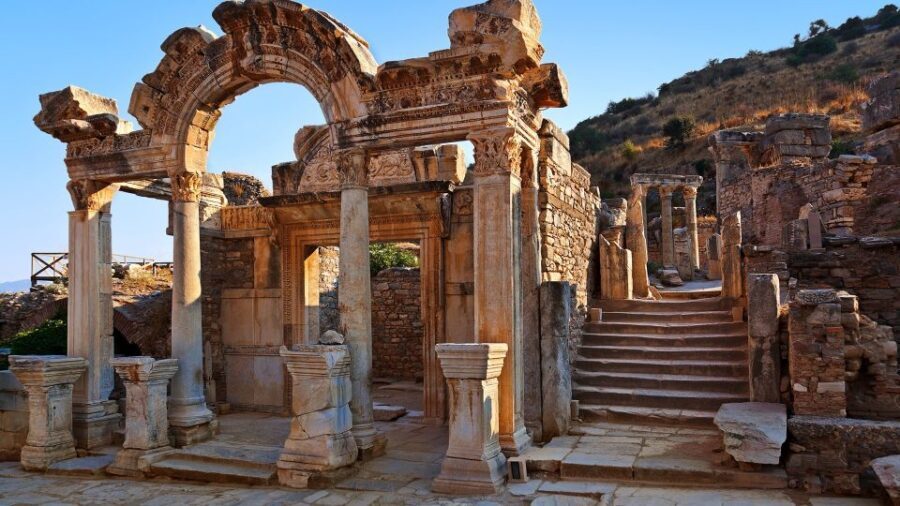
- Ephesus Highlights: Celsus Library, Roman Baths, and Early Christian Footsteps
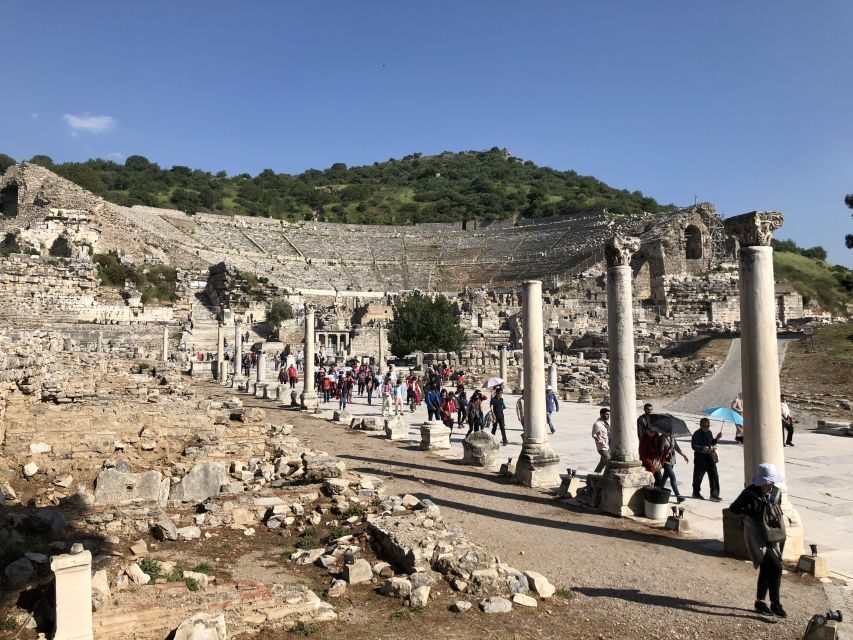
- The amphitheater: why it still hits
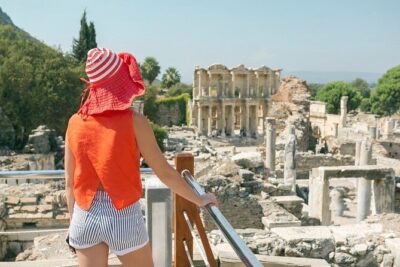
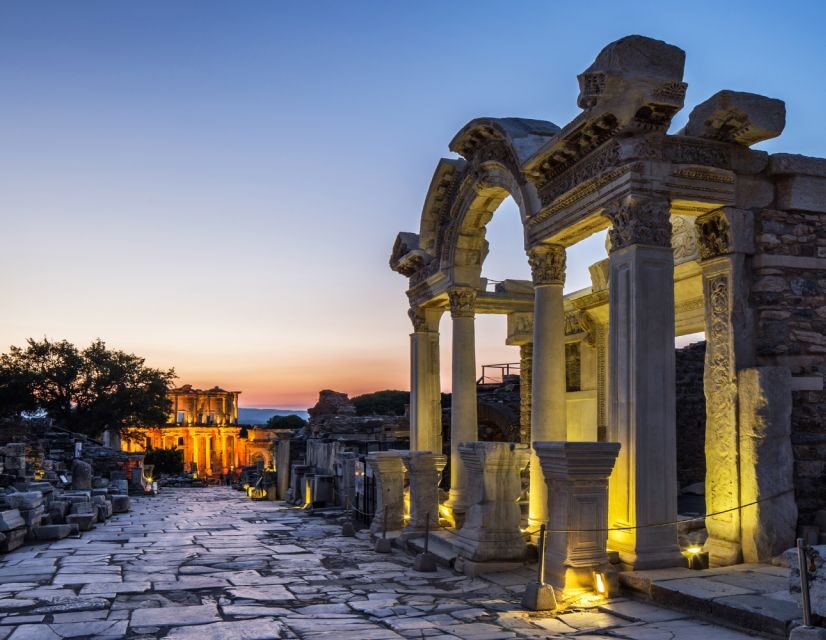
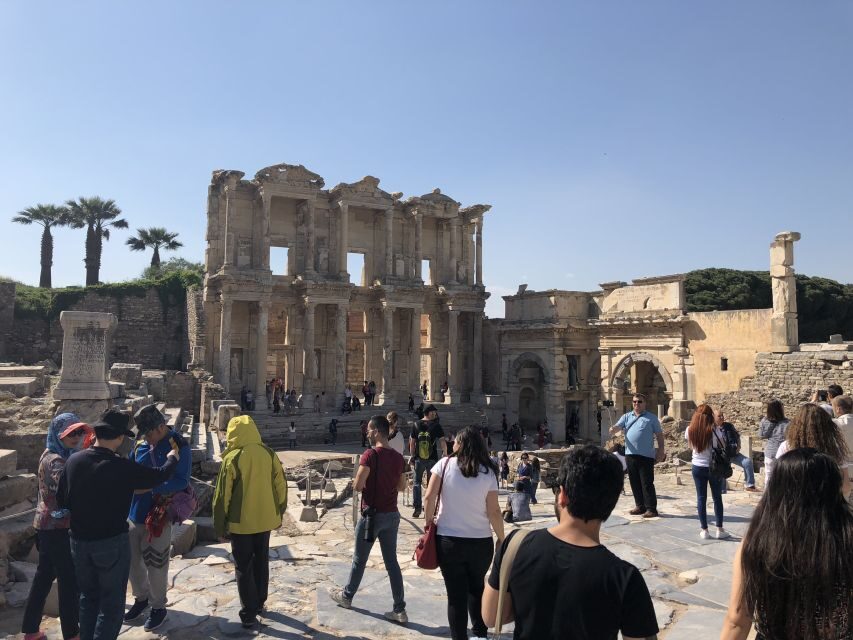
- Library of Celsus: more than a pretty façade
- Temples and the long religious timeline
- What to watch for: how the guide frames the ruins
- Carpenters, Lunch Breaks, and Why These Stops Aren’t Random
- The carpet stop: useful if you treat it as a craft lesson
- Lunch: plan for variation
- Pamukkale Drive Time: The Practical 3-Hour Stretch
- Pamukkale Terraces and Hierapolis: White Steps, Barefoot Warmth, and a Huge Necropolis
- Walking barefoot on mineral terraces
- Hierapolis ruins: the necropolis scale
- The Ancient Pool Option: A Naturally Heated Swim With Roman Echoes
- Tour Pace, Comfort, and What to Bring (Sun Planning Is Real Here)
- Private Group Value: How $650 for Up to 5 Adds Up
- Accessibility Reality Check: Wheelchair Mention vs. Mobility Limits
- Guides Matter: The Difference Clear English Makes
- Who This 2-Day Private Tour Is Best For
- Should You Book This Tour?
- FAQ
- How much is the tour?
- What is the duration and format?
- Where do you get picked up?
- Is the tour guided in English?
- Are entrance fees and lunch included?
- Is it wheelchair accessible?
Key Highlights That Make This Tour Worth Your Time
- Two UNESCO-level stops in one tight schedule: Ephesus plus Pamukkale/Hierapolis
- Skip the ticket line so you spend more time among the ruins
- Hands-on cultural timing with a stop for handmade carpet/rug craft
- Pamukkale terraces are dramatic in real life—white mineral steps with warm spring water
- Ancient pool option for a naturally heated swim (extra cost, not included)
Two Days, Two Icons: Ephesus and Pamukkale From Kusadasi
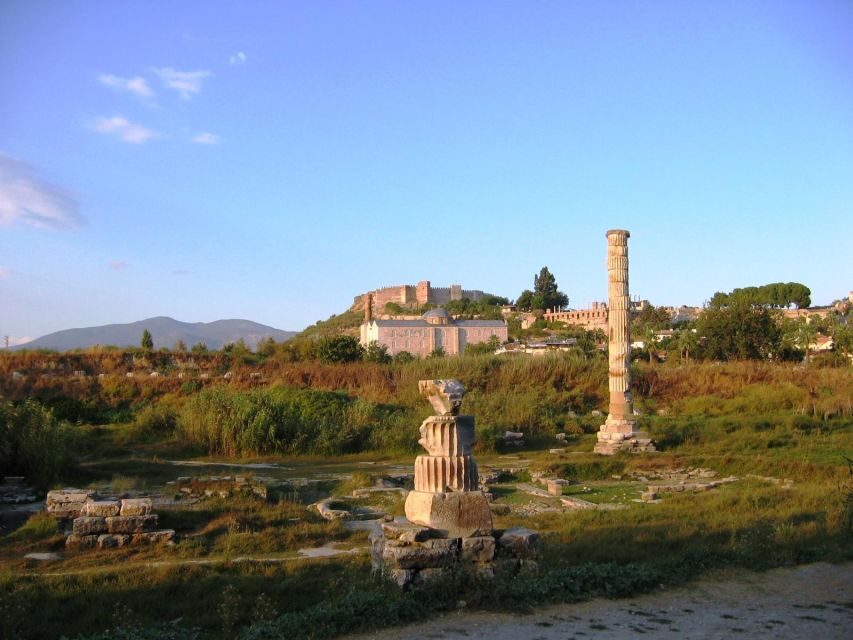
This is the kind of tour you book when time is short but expectations are high. You’re covering two of western Turkey’s best-known “wow” destinations: Ephesus, one of the best-preserved Greco-Roman cities, and Pamukkale/Hierapolis, where ancient ruins sit next to startling white mineral formations.
The best part, in practical terms, is that you’re not trying to stitch together buses, tickets, and route planning yourself. A professional guide handles the on-the-ground flow, and a driver moves you in an air-conditioned vehicle between sites. Since it’s a private group (up to 5 in your group price), you also get a bit more flexibility than standard day trips.
Other Pamukkale combo tours we've reviewed in Kusadasi
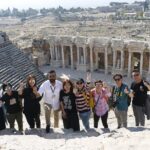
Ephesus Highlights: Celsus Library, Roman Baths, and Early Christian Footsteps
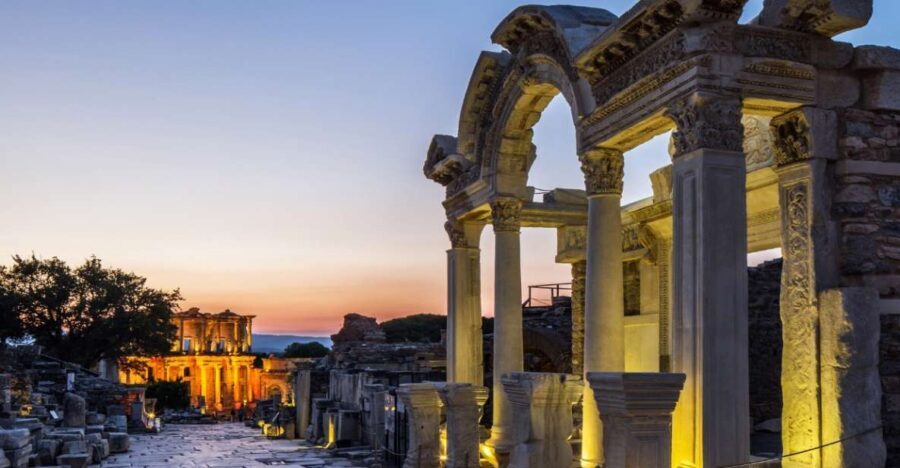
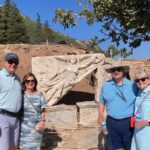
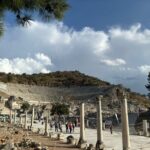
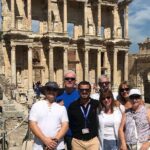
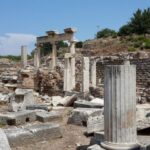
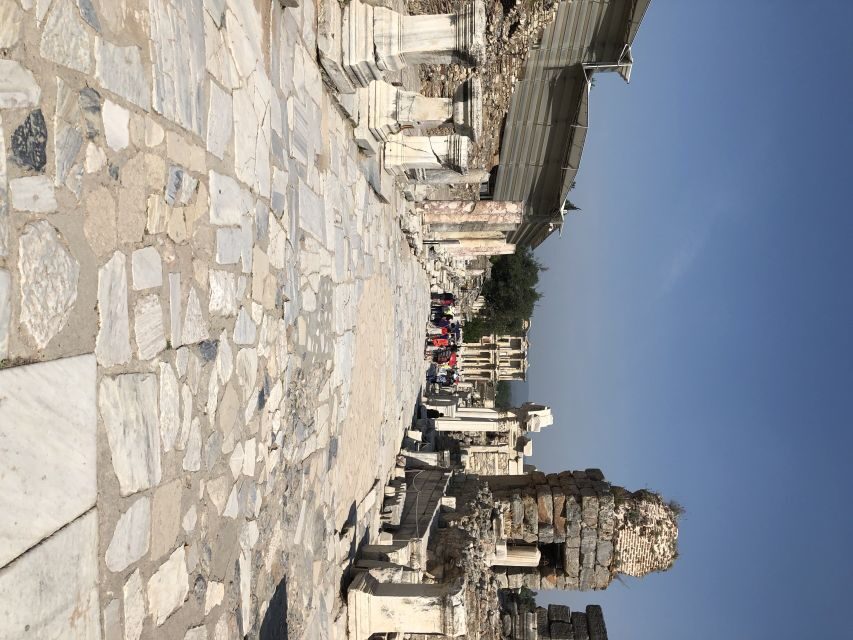
Day one is built around Ephesus’s most recognizable stone landmarks—plus the context that helps them make sense. You’ll tour a packed set of sights that typically includes the amphitheater, Roman baths, the agora, and an area tied to religious significance where it served as a pilgrimage center for Christians. If you love seeing how a city functioned—religion, entertainment, daily commerce—Ephesus delivers.
The amphitheater: why it still hits
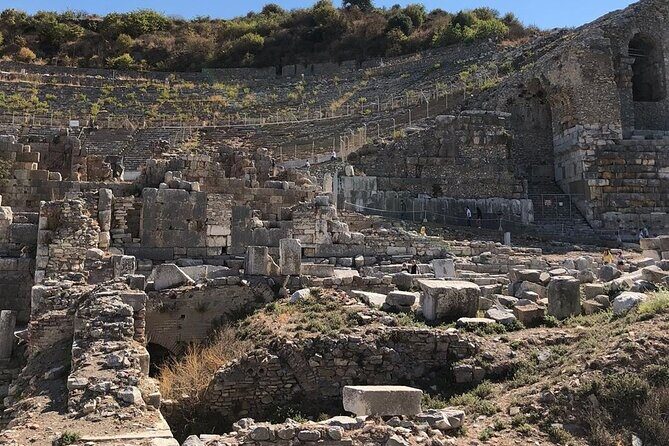
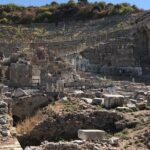
Even if you don’t care about theater history, Ephesus’s amphitheater shows you the scale of Roman public life. What you’ll notice fast is how this wasn’t a private, small venue. It was designed for huge crowds, and the structure is still readable as you walk the area.
Library of Celsus: more than a pretty façade
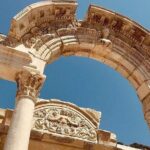
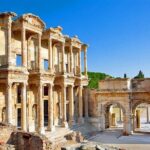
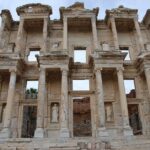
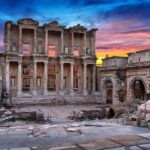
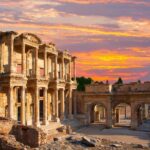
In one guide-led experience, the Library of Celsus came up as a key moment, and it’s easy to see why. It’s not just a landmark photo spot; it’s a reminder that this city treated knowledge as something public and impressive, not hidden away.
Temples and the long religious timeline
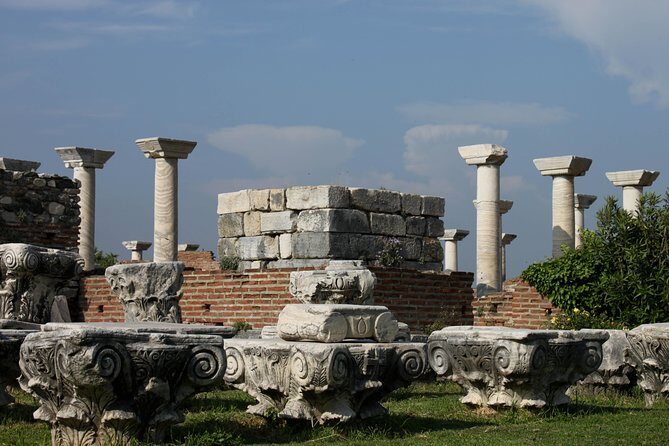
The tour also includes major religious sites, including the Temple of Artemis area in at least one guided run. Ephesus sits at the meeting point of different beliefs over time. That makes the city more meaningful than a pile of ruins. The guide’s explanations matter here, because the same stones served different communities across centuries.
Other Kusadasi-departing tours we've reviewed in Kusadasi


What to watch for: how the guide frames the ruins
The reviews you provided highlight guide skills: Erdem Eryılmaz stood out for adding historical preservation advocacy, while Alex was praised for clear, detailed English explanations and giving enough time to enjoy each stop. If you end up with one of those guides, you’ll likely get the sort of narration that helps you connect what you’re seeing, rather than just collecting names.
Carpenters, Lunch Breaks, and Why These Stops Aren’t Random
Between the major monuments, the tour includes a lunch and a stop for local artisan work with handmade carpet and rug art. At Turkmen Carpet, one named lunch stop appears in a previous experience, and it’s a good example of how tours like this add “local life” without derailing the schedule too much.
The carpet stop: useful if you treat it as a craft lesson
This isn’t a forced shopping spree by default, but it helps to go in with the right mindset. Handmade rugs are about materials, knot techniques, and regional styles. Even if you don’t buy anything, watching the process with a guide can turn the usual souvenir stop into something more human and grounded.
A good practical tip: if you do want to purchase, ask questions and compare what you’re told about materials and weaving. Having a guide is your leverage. If the guide is paying attention and speaking good English, you’ll have an easier time figuring out what’s being claimed.
Lunch: plan for variation
Your provided info says lunch isn’t included in the tour inclusions. At the same time, the tour flow you shared does mention local lunch on both days, and at least one past experience included lunch at Turkmen Carpet. So treat lunch as “may be arranged,” but confirm what you’re paying for up front, especially if you want specific dietary options.
Pamukkale Drive Time: The Practical 3-Hour Stretch
Day two starts with a long-ish ride: a 3-hour drive (with a break) to reach Pamukkale. This matters because the most common mistake people make on two-day Turkey trips is assuming the second day will feel “easy” once you arrive.
It won’t feel easy in the sun. You’ll likely want that break to reset before the walking begins. The best part is that the driving is handled for you, so you’re not negotiating roads or timing after day one’s big city walking.
Pamukkale Terraces and Hierapolis: White Steps, Barefoot Warmth, and a Huge Necropolis
Pamukkale is one of those places that looks unreal in photos, but still manages to surprise you in person. The signature feature is the travertine terraces: mineral springs spilling along a white cliffside. On this tour, you get time to explore for a few hours, including walking on the travertines where you can feel the warmth of the natural spring as you go barefoot.
Walking barefoot on mineral terraces
This isn’t just a fun gimmick. It’s a practical sensory way to understand what you’re standing on: the heat comes from the hot springs beneath. You’ll also want to know that shade can be limited, so wear comfortable footwear for the rest of the day, and use sunscreen, a hat, and sunglasses—those items are specifically called out for a reason.
Hierapolis ruins: the necropolis scale
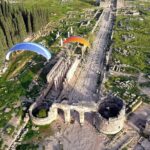
After the terraces, you head into the ancient Hierapolis ruins. The big emphasis here is the huge necropolis—a reminder that this wasn’t only about bathing and sightseeing. Burial landscapes were built with scale and ceremony, and walking through that space helps you understand why the area mattered beyond just Roman leisure.
If you like ancient city planning, Hierapolis works because it’s still structured enough to visualize how people moved and lived around the sacred and daily areas.
The Ancient Pool Option: A Naturally Heated Swim With Roman Echoes
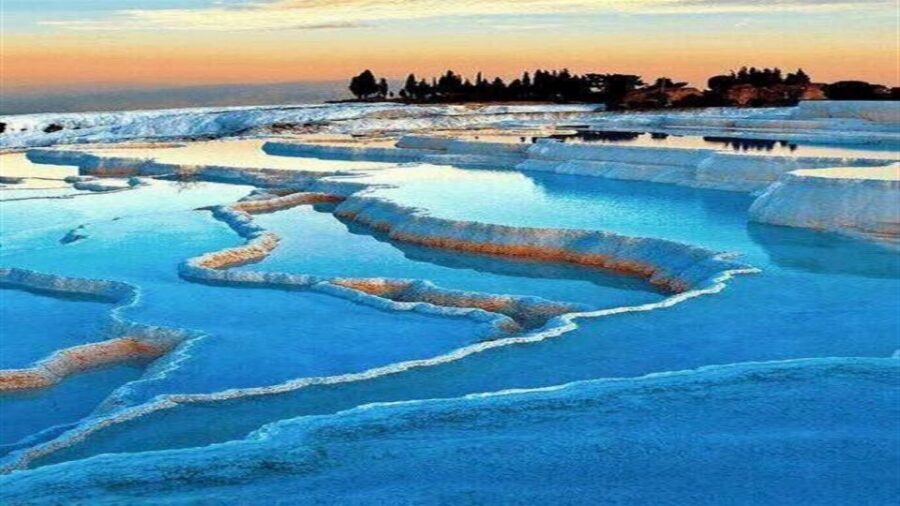
If you want the most memorable extra on Pamukkale, the option is the naturally heated ancient pool at Hierapolis. Your tour notes that swimming is not included, but it’s available if you choose.
What makes it interesting is the story attached to it: the pool is naturally heated from the hot springs and includes underwater fragments of ancient marble columns. It’s possibly associated with the Temple of Apollo, which is exactly the kind of link that turns a simple swim into a strange, vivid meeting with the past.
Practical note: go into this expecting logistics like time and additional cost. Also, since you’ll already have spent time walking the terraces barefoot, you’re stacking “hot/warm water comfort” on top of “bright sun walking.” Pace it.
Tour Pace, Comfort, and What to Bring (Sun Planning Is Real Here)
This is a two-day tour that mixes serious walking with travel time, so comfort choices matter.
Here’s what your tour info directly calls out:
- Comfortable shoes (you’ll be on stone and uneven paths)
- Hat and plenty of sunscreen because shade is limited
- Sunglasses
Also keep in mind the itinerary order can vary to avoid traffic, and the order can be changed to meet your needs. That’s a real advantage on a tight schedule. If you have a priority—say, maximizing terrace time or getting more time on Ephesus’s major stops—ask early and let the guide adjust where possible.
Private Group Value: How $650 for Up to 5 Adds Up
The price is $650 per group up to 5, for a 2-day private tour. That’s not cheap in absolute terms, but private touring is often about what you buy: fewer transfers, less waiting, and someone who keeps the day moving.
Here’s how value works in your favor:
- You’re getting a professional licensed guide for both days
- You have a dedicated driver and air-conditioned transportation
- You get skip the ticket line, which can save time at busy ancient sites
- Pickup is included from your hotel or port in Kusadası or Selçuk
Where value needs careful math:
- Entrance fees are not included
- Lunch is listed as not included in the standard “not included” section
So your all-in day cost depends on ticket costs and how lunch is handled in your specific booking.
If you’re traveling as a small group or as a solo traveler willing to pay for private attention, this can be a strong way to do Ephesus and Pamukkale without turning your trip into a transport puzzle.
Accessibility Reality Check: Wheelchair Mention vs. Mobility Limits
Your info includes wheelchair accessibility, but it also states the tour is not suitable for people with mobility impairments. That combination usually means there’s a gap between what’s technically possible and what’s realistically comfortable once you factor in walking on ancient terrain and time spent on the terraces.
If mobility is a concern, don’t guess. Ask the operator about the specific surfaces and whether your needs can be met without forcing long, difficult segments.
Guides Matter: The Difference Clear English Makes
One reason this tour earns solid ratings is how much a guide can affect your comprehension. In your provided reviews, different guides were named for different strengths:
- Erdem Eryılmaz: praised for expert guidance and advocacy for preservation, which can make the monuments feel more meaningful than a checklist.
- Yesra: guided the Pamukkale/Hierapolis day with strong context around the terraces and Hierapolis.
- Murat: noted for comfort and detailed explanations of the places.
- Alex: singled out for very informative, well-spoken English, and for giving ample time to enjoy Ephesus.
I’d treat guide fit as part of your decision. Even with the same stops, a guide who explains clearly makes it much easier to remember what you saw after you leave.
Who This 2-Day Private Tour Is Best For
This tour is especially suited for you if:
- You have limited time and want the Ephesus plus Pamukkale combo without doing it yourself
- You like guided context, not only photos
- You’re traveling in a small group (or solo) and want private pacing
- You want a structured mix of major ruins and natural wonder
It’s less ideal if:
- You dislike long days of walking and bright sun
- You have mobility limitations that make terrace walking hard or stressful
- You’re trying to keep the trip ultra-budget (since entrance fees and optional pool swimming add costs)
Should You Book This Tour?
If your goal is to hit Ephesus and Pamukkale in one organized two-day plan, this private tour is a smart use of time. The combination of skip-the-line convenience, guided explanations, and dedicated transportation makes it easier to enjoy both destinations rather than rushing between them.
Book it if you’re prepared for sun and walking, and if you’re willing to budget separately for entrance fees (and possibly lunch). Think twice if mobility is a concern, because ancient sites plus the terrace experience can be demanding.
FAQ
How much is the tour?
The price is $650 per group, with room for up to 5 people.
What is the duration and format?
It’s a 2-day private tour.
Where do you get picked up?
Pickup is included from your hotel or port in Kusadası or Selçuk.
Is the tour guided in English?
Yes. The tour includes a live English-speaking guide.
Are entrance fees and lunch included?
No. Entrance fees and lunch are not included. Drinks are also not included unless specifically mentioned.
Is it wheelchair accessible?
The information says wheelchair accessible, but it also notes the tour is not suitable for people with mobility impairments. If you have accessibility needs, it’s important to check details before booking.