REVIEW · KUSADASI
Full-Day Ephesus & Terrace Houses Tour – Entry Fees Included
Book on GetYourGuide →Operated by OKEANOS TRAVEL · Bookable on GetYourGuide
Ephesus feels like walking inside an atlas. In one focused stretch, you move from marble streets and major temples to the wealth-stories of the Roman elite high above the site.
I love how the day spotlights top-name monuments like the Library of Celsus, without turning the visit into a rushed photo sprint. I also like that you finish with the Terrace Houses, where you can actually see wall art and floors that once belonged to rich Ephesian families.
One consideration: it’s still a lot of walking in open-air ruins. If you’re traveling with small kids, or you’re visiting during peak heat, plan your pace carefully (and note it isn’t suitable for wheelchair users).
In This Review
- Key highlights worth showing up for
- 4.5 hours at Ephesus: how the pacing actually works
- Marble Street to the Great Theater: the main story of Roman Ephesus
- Library of Celsus, Temple of Hadrian, and the fountains that made city life work
- Odeion Theatre and the sound of 24,000 people
- Bulbul Mountain Terrace Houses: Roman “Beverly Hills” above the ruins
- That weird clue: the first ad footprint to a brothel
- The guide makes or breaks your experience (here’s what to listen for)
- Price and value: what $165 buys you
- Comfort and planning: what to pack for Ephesus heat and walking
- Should you book the Full-Day Ephesus & Terrace Houses Tour?
- FAQ
- How long is the Ephesus & Terrace Houses tour?
- What’s the price, and are entrance fees included?
- Is pickup and drop-off included?
- What languages are guides available in?
- Is the tour wheelchair accessible?
- Can I cancel and get a full refund?
Key highlights worth showing up for
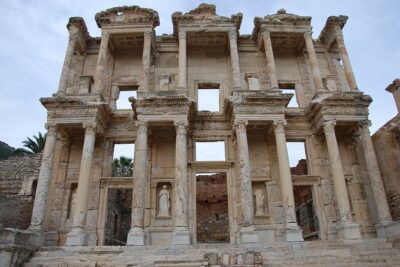
- Library of Celsus and Temple of Hadrian: two big stops that set the tone for the entire site.
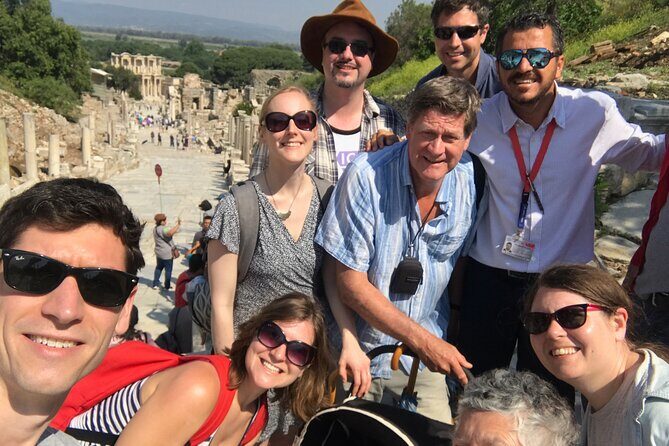
- Marble Street walk: the dramatic main route where the scale of Roman Ephesus hits fast.
- Theaters and sacred spaces: see the Odeion Theatre and the larger Great Theater linked to St. Paul.
- Trajan and Polio fountains: small details matter here, because water shaped the city’s daily life.
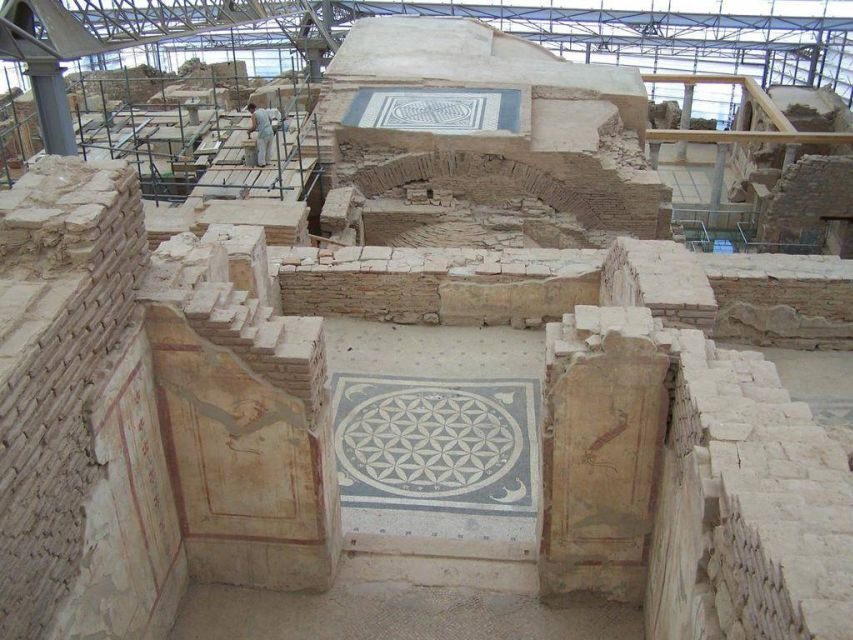
- Terrace Houses on Bulbul Mountain: frescoes and mosaics from elite homes.
- That unusual ad-footprint moment: a striking, strange clue to how public messages worked in antiquity.
4.5 hours at Ephesus: how the pacing actually works
This tour is built for people who want the essentials of Ephesus—fast, clear, and guided—without spending the whole day wandering. The total duration is about 4.5 hours, which means you get to cover a lot of ground and still keep your energy for the Terrace Houses near the end.
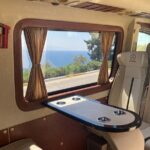
The format also helps if you’re on a cruise stop or you don’t want to plan transport, entry timing, and ticket lines on your own. You’re picked up and dropped off, and you ride in an air-conditioned vehicle with a driver—nice when you’re dealing with strong sun and hot pavement.
The trade-off is that it’s not a slow museum day. You’ll do real walking through uneven ancient streets and across the terraces. Bring comfortable shoes and keep your sun protection ready, because the open-air parts are not shy about the weather.
Other Terrace Houses tours we've reviewed in Kusadasi

Marble Street to the Great Theater: the main story of Roman Ephesus
You start with a drive into Ephesus and then step right onto the site’s most cinematic artery: Marble Street. This isn’t just a walkway. It’s the route that helps you understand how people moved through town—where visitors would see public buildings, statues, and the bustle of city life in Roman times.
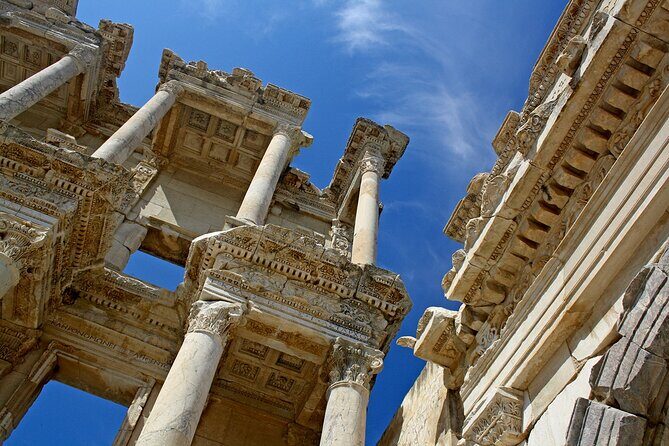
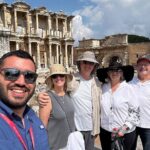
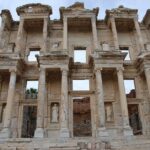
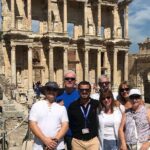
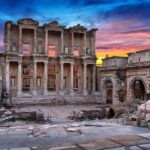
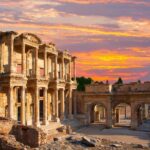
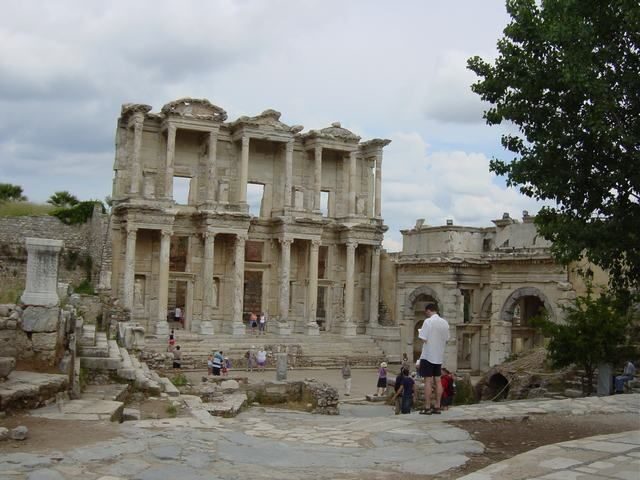
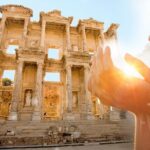
From there, the tour leans into the places that instantly communicate power and culture. One of the biggest moments is the Library of Celsus, a monument that’s famous for how it still frames a sense of grandeur even in ruins. What I like about visiting it on a guided route is that you’re not just staring at columns—you’re getting the story of what this building represented in a city that valued knowledge and status.
Next, you’ll move through the theater landscape of Ephesus. The plan includes the Great Theater, tied to the tradition that St. Paul preached here. Even if you’re not building a religious itinerary, theaters are one of the best ways to grasp the scale of ancient civic life: these were public stages, not private entertainment rooms.
If you love visual contrasts, this part of the tour is a good lesson. You’ll see monumental stonework in one area and then pivot to the way audiences gathered elsewhere—different spaces, same message: people came together in public.
Library of Celsus, Temple of Hadrian, and the fountains that made city life work
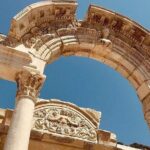
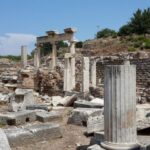
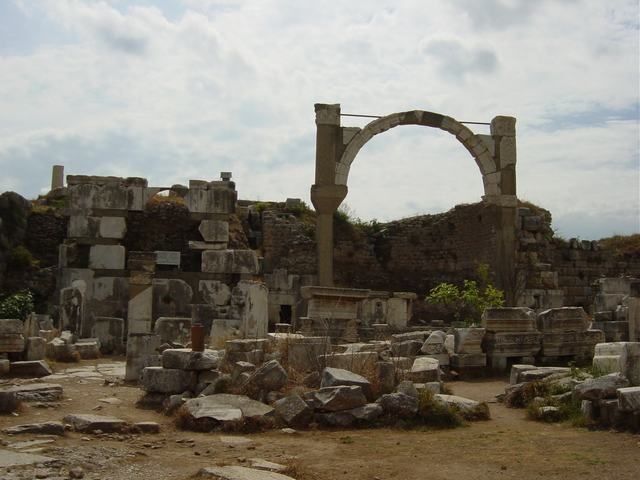
The tour keeps momentum by pairing the big architecture with the city’s functional design. The Temple of Hadrian is the kind of site that rewards a guide who can explain what you’re looking at. In ruins, it’s easy to treat temples like piles of rock. With a good narrative, you start noticing the purpose behind the layout and the political symbolism behind dedicating sacred space to an emperor.
Then you’ll get to the Fountains of Trajan and Polio. Water features can sound like a minor side stop, but fountains matter. They show you where communal infrastructure met beauty and public life. When you see a fountain complex in a ruined setting, you can better imagine how the city once used it as a focal point for daily rhythms—thirst, meeting up, and the simple pleasure of a designed public space.
This portion of the itinerary also includes the Temple of Domitian. The point here isn’t only to see another impressive façade; it’s to understand how emperors rose and fell, and how their political presence was written into stone. You’ll also hear about what happened when power shifted—an important theme at Ephesus.
After the temple sequence, the tour continues to a social gathering area: the Baths of Scholastica. Baths are one of my favorite “real life” anchors in ancient sites because they weren’t just for hygiene. They were places to chat, relax, and spend time as a community.
Odeion Theatre and the sound of 24,000 people
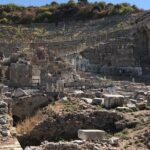
Ephesus is famous for its theaters, but the standout here is the Odeion Theatre. You’ll visit it as part of the tour route, and it’s described with a capacity of 24,000 spectators, which helps you picture how serious this venue was.
Odeions were often more “performance”-oriented than some larger open-air arenas. That’s why this stop feels different. You’re not just thinking about crowd size; you’re thinking about atmosphere—where voices would carry, where music or drama would land, and how audience energy would bounce off the structure.
The best way to enjoy the Odeion is to slow down for a minute. Even if the day keeps moving, spend a short moment looking across the venue lines and imagining what the space did for people who attended events. It’s the fastest route to a real sense of scale, and it helps the rest of the ruins feel more connected.
Bulbul Mountain Terrace Houses: Roman “Beverly Hills” above the ruins
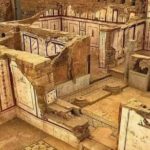
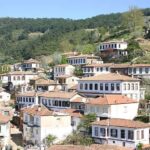
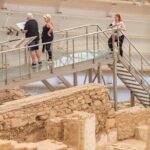
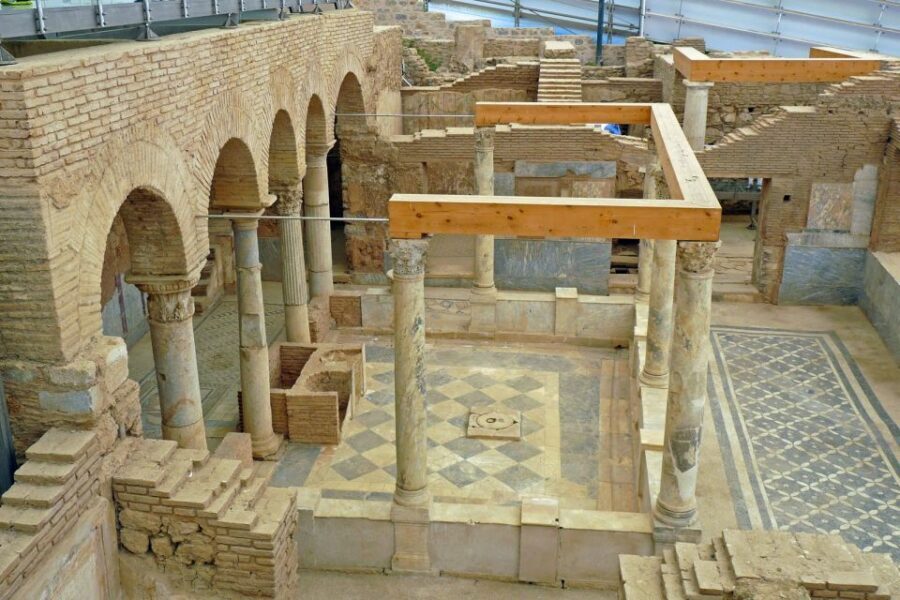
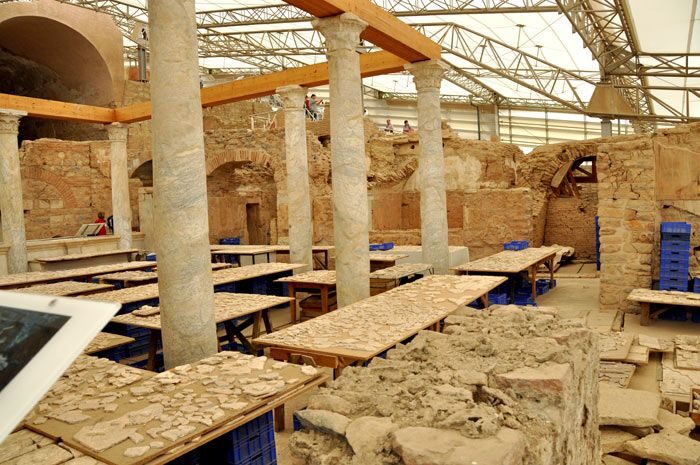
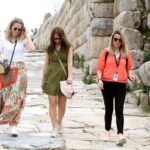
The finale is the Terrace Houses on the slopes of Bulbul Mountain, often described as where Ephesus’ wealthy lived. This is one of those parts of an ancient visit that turns “cool ruins” into “wow, real life.”
What makes these terrace homes special is that you can see frescoes and mosaics—wall art and floor designs that weren’t meant for mass crowds. They reflect taste, money, and daily aesthetic decisions made by elite residents. Instead of only viewing public buildings (temples, theaters, libraries), you’re getting a glimpse of private luxury.
The terrace layout is also worth paying attention to. Because these homes were built on slopes, the architecture and viewing angles would have shaped how residents lived and entertained. You’re not just seeing decorations; you’re seeing how the Romans adapted a hillside into a status statement.
I also like the way this stop reframes Ephesus. Earlier in the day, you’re walking through public grandeur. Here, the story shifts to the people who could afford to display their identity—visually—inside their homes.
This is also where the tour’s “big name + detail” balance pays off. By the time you reach the terrace houses, you’re ready for slower looking, because the day has already set up the city’s overall structure.
Other all-inclusive tours we've reviewed in Kusadasi


That weird clue: the first ad footprint to a brothel
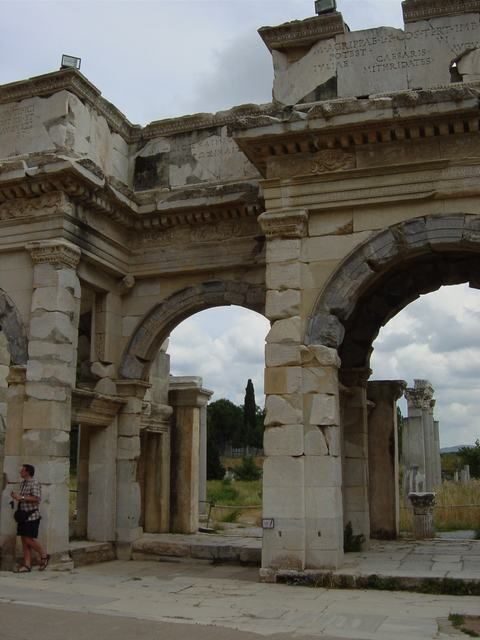
Among the highlights is a reference to the world’s first advertisement footprint to a brothel. This is one of those moments that sounds almost too strange to be true—until you remember that ancient cities were advertising, too. Public messaging wasn’t modern. It was part of the street-level experience.
When you see something like this, I suggest you treat it as a cultural artifact rather than a shock moment. The value is in what it tells you about everyday life and the way people navigated city realities. It’s also a reminder that public history isn’t always only noble or sacred—it’s practical, commercial, and human.
If you’re visiting with teens or curious adults, this stop often lands well because it breaks up the solemnity. It’s a quick pivot from monumental stone to real street behavior.
The guide makes or breaks your experience (here’s what to listen for)
This tour includes a licensed professional guide in multiple languages, and that matters a lot in a place like Ephesus. A good guide doesn’t just translate labels. They connect each ruin to the bigger story so you don’t feel like you’re watching isolated landmarks.
In the experiences I’ve seen shared from real travelers, the language strength is often praised. For example:
- An Italian-speaking guide named Fortunato was noted for clear explanations and strong Italian delivery.
- A French guide named Erik was highlighted for interesting commentary and energy.
- A guide named Ahu was described as engaging, easy to talk to, and fun for the group.
When you’re hiring a guide, the question isn’t only whether they speak your language. It’s whether they can make the ruins readable. In Ephesus, that’s the difference between walking through stone and actually understanding why each building mattered.
If you want to get the most out of your time, keep an eye (and an ear) out for two things your guide should do:
- explain how the spaces connect (public buildings to civic life, homes to wealth)
- help you visualize what the site looked like when it was intact
Price and value: what $165 buys you
At $165 per person for about 4.5 hours, the value mainly comes from two choices built into the tour:
1) you get a licensed guide, and
2) entrance fees are included for the sites on the itinerary.
That’s a smart deal if you’d otherwise be paying entry fees individually and trying to manage time on your own. It’s also a convenience win. Ephesus is huge, and saving mental energy matters when you’re on a schedule.
The other value piece is transportation. The tour uses an air-conditioned luxury vehicle with a professional driver, plus pick-up and drop-off from an airport, hotel, or port. If you’re traveling with luggage, cruise timing, or just want less hassle, that driver component is more than comfort—it’s time saved.
My practical advice on deciding if the price makes sense: ask yourself if you want to understand the site, or just photograph it. If you want context, the guided format usually pays for itself in fewer wasted hours and better meaning per step.
Comfort and planning: what to pack for Ephesus heat and walking
You’ll be outside for long stretches. The tour is built around a walk-through of major ruins plus the terrace houses, so come ready for uneven ground and sun.
Here’s what the tour info says to bring:
- passport or ID card
- comfortable walking shoes
- sunglasses
- sun hat
- camera
- credit card (handy for any on-site purchases)
Also, consider a simple rule for ancient sites: dress for shade and friction. If your shoes are fine for city sidewalks but not for ancient stone surfaces, you’ll feel it.
One more note: the tour is not suitable for wheelchair users, so if mobility is a concern, it’s worth planning an alternate route rather than trying to force the day.
Should you book the Full-Day Ephesus & Terrace Houses Tour?
Book it if you want a guided Ephesus that hits the big monuments and ends with a high-impact finish at the Terrace Houses on Bulbul Mountain. The combination of key ruins, clear interpretation, and entry fees included makes it a strong value for a half-day format.
Skip it or consider alternatives if you prefer a slower, more flexible visit where you can pause at every detail without a set flow. And if you’re sensitive to heat, plan your travel dates well, because Ephesus is an open-air museum and the walking still adds up.
If you’re traveling with a group and you want a consistent, narrated route in your language, this tour’s multi-language guide setup is a real plus.
FAQ
How long is the Ephesus & Terrace Houses tour?
The tour duration is about 4.5 hours.
What’s the price, and are entrance fees included?
The price is $165 per person, and entrance fees to museums and sites are included according to the tour itinerary.
Is pickup and drop-off included?
Yes. Pick-up and drop-off services are included, and pickup is optional from any port, airport, or hotel.
What languages are guides available in?
Licensed guides are available in Spanish, English, Italian, Dutch, Greek, German, French, Russian, with the guide language listed as available for the activity.
Is the tour wheelchair accessible?
No. The tour is listed as not suitable for wheelchair users.
Can I cancel and get a full refund?
Yes. You can cancel up to 24 hours in advance for a full refund.