Ephesus is big, but you don’t have to do it the hard way. This private outing from Kusadasi is built for cruise timing and gives you entrance fees included (so you’re not scrambling at the gates). I especially like the no-fuss meeting setup with the guide holding a sign, and the way guides like Alex often tailor the day on the fly. One heads-up: Ephesus is hilly/rocky and the Terrace Houses aren’t a great match if you have walking trouble or acrophobia.
The flow is practical: you start with the big hitters in Ephesus, then hit the Terrace Houses for mosaics and frescos, and wrap with St. John and Artemis. You’ll usually spend your time walking and looking, not waiting, because this is truly private and tickets are handled in advance. Still, the stops are timed for a 4 to 6 hour window—so if you want hours and hours at just one site, this format might feel a bit brisk.
You’re paying $139 per person for a day that combines private guide time, air-conditioned transport, and site admissions. That value really shows for people on tight port schedules or anyone tired of group-stomach-line logistics. If you’re comfortable with moderate walking, you’ll have a smooth, memorable day without surprise add-ons.
In This Review
- Key things that make this tour worth your time
- Getting picked up in Kusadasi without the stress
- The $139 value: what you’re really paying for
- Ephesus Ancient City: the big sights, plus practical walking advice
- Terrace Houses: mosaics and frescos, with a height-and-walking reality check
- Basilica of St. John: where faith and history overlap
- Artemis Temple: a quick stop that still makes the name click
- Timing and comfort: making a half-day feel like a whole day
- Should you book this private Ephesus tour?
- FAQ
- What’s included in the tour price?
- Do I have to pay for entrance tickets when I arrive?
- How does the guide meet me at Kusadasi?
- Is this tour private?
- How long is the tour?
- Is the Terrace Houses stop suitable for everyone?
Key things that make this tour worth your time
- No hidden fees: entrance tickets are included, and the guide has pre-paid tickets to help you move faster.
- Meet the guide clearly: a sign at the port with your name, plus your guide/driver stays with your group all day.
- Private pace: you decide how long you want at each stop and don’t wait on other groups.
- Terrace Houses payoff: mosaics and frescos in a site that’s been carefully excavated and presented.
- Cruise-friendly return: guaranteed on-time return to port so you’re not playing the sprint game.
- Photo stops built in: the drive includes room for pictures when you want them.
Getting picked up in Kusadasi without the stress
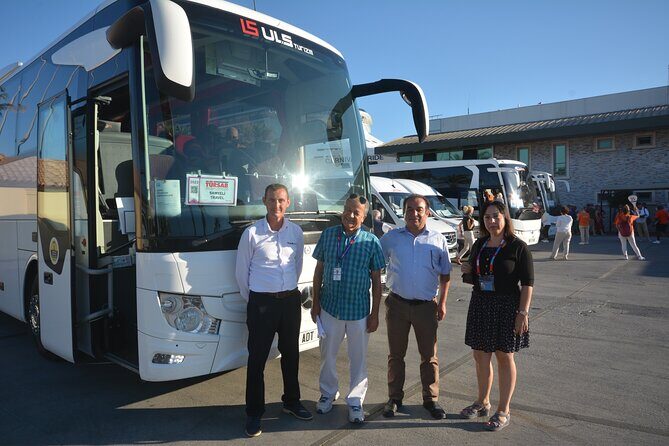
This tour is designed around a simple reality: from Kusadasi, your day can evaporate quickly if you’re stuck finding your guide. The setup here is straightforward. If you’re on a cruise, your meeting is at the Kusadasi Cruise Terminal, and the guide meets you with signage showing your name. If you’re staying at one of the listed hotels, pickup is at the hotel reception with your room number—so you’re not trying to track down a van on a busy street corner.
I like that the timing is flexible in the way that matters. You choose the departure time, and your guide meets you either at the port or hotel at that agreed time window. For cruise visitors, that is the difference between a calm experience and a sweaty scramble.
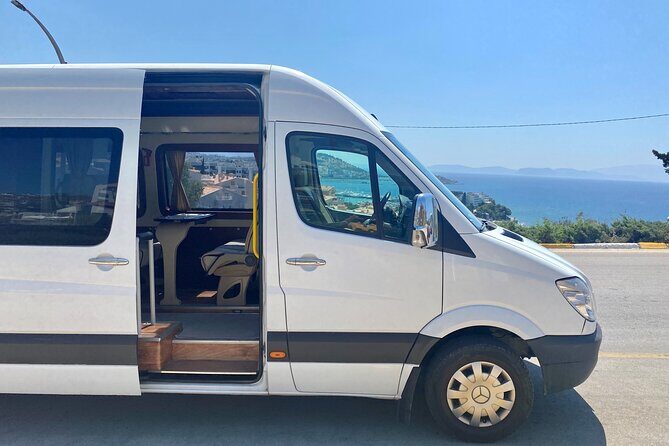
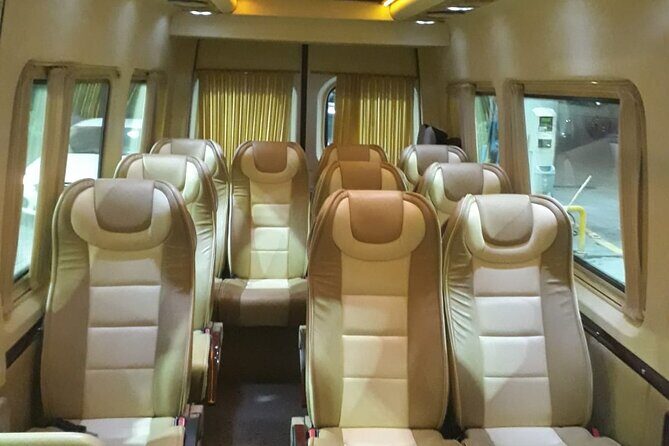
Transport is an A/C vehicle with the guide and driver together with you for the duration. In real life, that means less confusion, fewer handoffs, and more time focused on the sites.
Other Terrace Houses tours we've reviewed in Kusadasi

The $139 value: what you’re really paying for
At $139 per person, this can look like a lot until you break down what’s included. Here’s what you’re getting that typically costs extra on other shore options: a private professional licensed guide, A/C transportation, parking/facility fees, and—most importantly—entrance fees included. The guide also has pre-paid tickets, which helps you avoid wasting time in ticket lines.
You’re also getting a plan for return timing: guaranteed on-time return to the port. For cruisers, that one item alone can be worth the price, because late returns usually aren’t anyone’s idea of fun.
Is it the cheapest way to see Ephesus? Probably not. But it’s usually better value than cruise shore tours when you want to skip the big-group chaos and keep your day under control. The reviews back that up with stories like Viking Cruise visitors being met outside the terminal and returned with plenty of time.
Also, there are no meals mentioned in the itinerary. That’s normal for a half-day format. If you want lunch, the tour suggests you can get Turkish food options during the day (you’ll have alternatives if you want to stop).
Ephesus Ancient City: the big sights, plus practical walking advice

Ephesus is one of those places where it’s easy to waste your limited time. The smart move is to see the core sites and understand what you’re looking at. That’s what you’ll do first. After pickup, you get a short drive (about 20 minutes) to the Ephesus area, then you start exploring on foot.
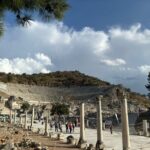
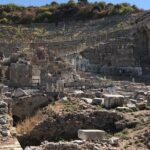
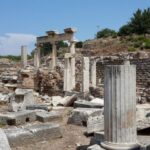
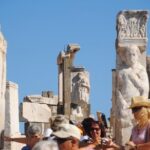
You’ll walk marble streets lined with major public buildings. The highlights include:
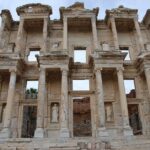
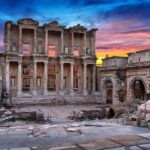
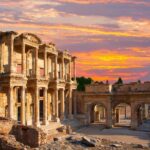
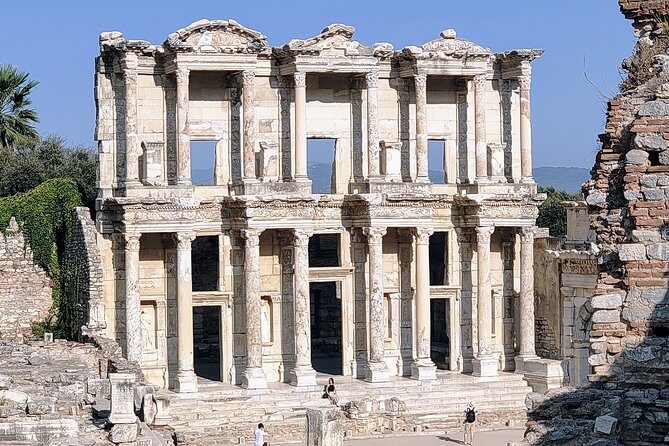
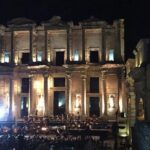
- Library of Celsus: built at the beginning of the 2nd century A.D. as a memorial—an iconic façade you’ll want photos of.
- Baths of Scholastica: impressive remains tied to daily life.
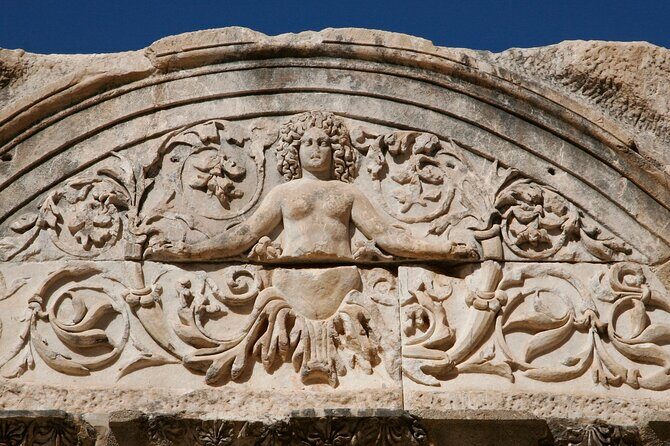
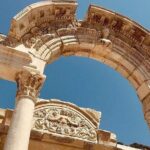
- Temple of Hadrian: part of the civic/religious story of the city.
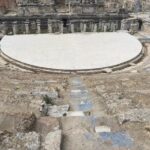
- Grand Theater: originally from the 3rd century B.C., later expanded under Romans to hold about 24,000 people.
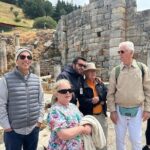
What I’d call the real win here is pacing and interpretation. Guides in this program (people like Cenk, Gurkan, and Cem are specifically mentioned) tend to bring the ruins to life by explaining how the city functioned as a port-linked crossroads.
Two practical tips matter more than you’d think:
- Wear shoes with real traction. Marble can be smooth, and you’ll move over uneven stone.
- Go early if you can. One review tip was that it gets busy, and the earlier you arrive, the easier your experience feels.
You get about 2 hours in Ephesus at this schedule. That’s enough time to see the key structures without rushing yourself into sensory overload.
There’s also mention in reviews of an optional carpet demonstration after Ephesus. One person specifically said it wasn’t high-pressure. If that’s offered on your day, you can treat it as a window into Turkish crafts—but you should feel free to pass if you’d rather stay focused on archaeology.
Terrace Houses: mosaics and frescos, with a height-and-walking reality check
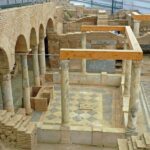
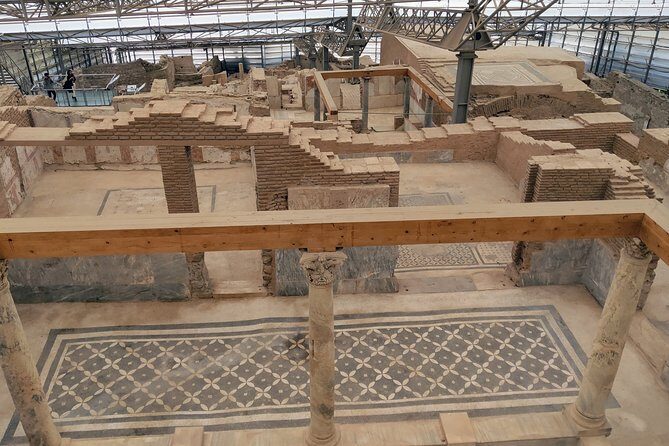
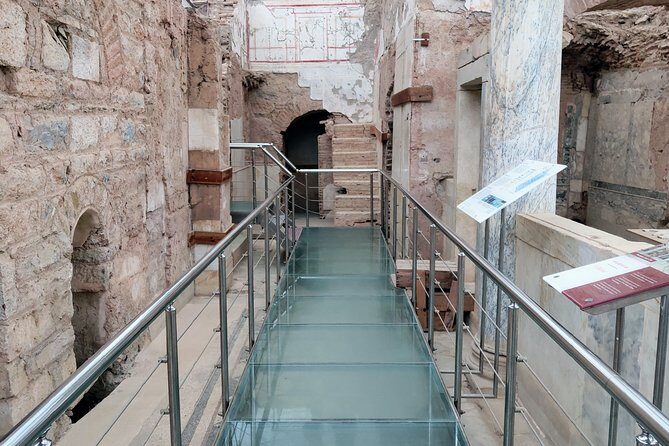
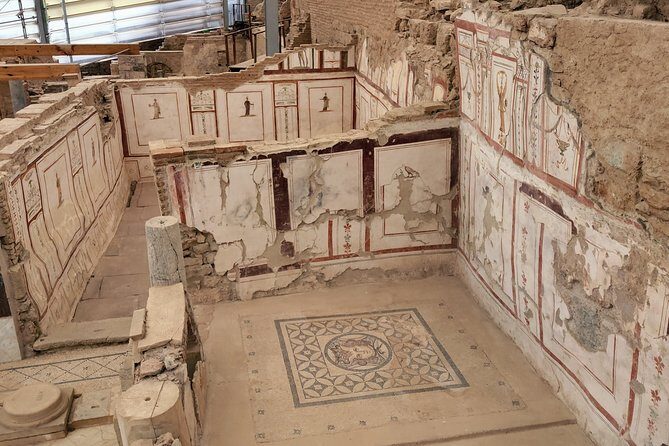
The Terrace Houses stop is short (about 30 minutes) but it’s a standout because the quality of what you see is unusually high. This is where the wealthiest Romans lived, and the site is presented with sensitive excavation and display.
What you’ll notice right away is the artistry: mosaics and frescos. The rooms and terraces help explain how daily life worked among the elite—how homes, decoration, and even infrastructure came together in a city that was both wealthy and tightly connected to its wider world.
Now the caution. Terrace Houses involve uneven ground and vantage points. The tour guide info specifically notes it’s not recommended if you have walking difficulties or acrophobia (fear of heights). So if that describes you, plan for a different day structure or confirm with your guide what routes they can offer.
Reviews also underline how memorable this stop is. People call it remarkable and say the mosaics and frescos are not to miss. One review even mentioned a virtual reality show at the end of the Terrace Houses visit—so if you see an onsite option like that on your day, it may be worth asking about, especially if you enjoy visual reconstructions.
Basilica of St. John: where faith and history overlap
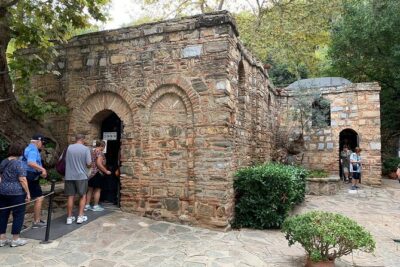
After Ephesus, you drive to the Basilica of St. John. This stop runs about 45 minutes, which is a comfortable chunk of time for a site like this—long enough to understand its setting without feeling like you’re being herded.
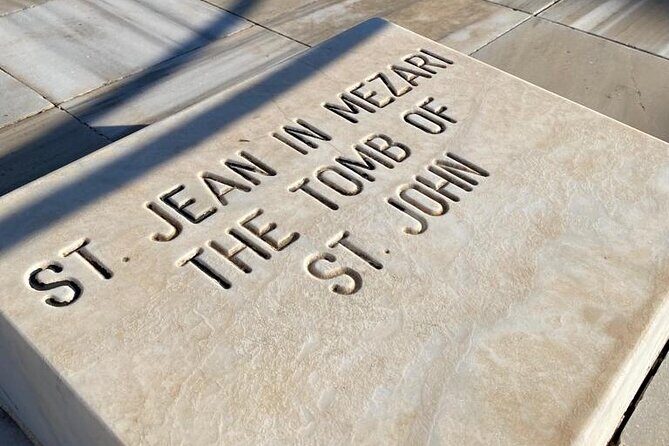
The usual story tied to the basilica is that St. John spent his last years in the region around Ephesus and was buried on the southern slope of Ayosolug Hill. Even if you’re not visiting from a religious angle, this stop still gives context. It shows how the legacy of Ephesus kept shaping the region long after the ancient city period.
The practical value is that it’s a change of pace. Ephesus is marble streets and big civic monuments. St. John is more atmospheric, more grounded, and it helps balance the day so you don’t feel like you’re only looking at architecture from one era.
Other St. John Basilica tours we've reviewed in Kusadasi

Artemis Temple: a quick stop that still makes the name click
Your final ancient-world stop is the Temple of Artemis. It’s a shorter stop—about 15 minutes—so don’t expect a full “slow museum visit.” Instead, think of it as a reality check: this is where one of the ancient world’s wonders once stood.
The guide takes you to the area where the Temple of Artemis used to be. Even with only remnants visible, having the context of what it meant helps you connect Artemis to the wider story of Ephesus as a major cultural and trade hub.
Then you drive back toward Kusadasi town center and the port for drop-off. You’re set back at your original pick-up point, with a little time for last-minute shopping on your own.
If you’re traveling with limited time, this is a smart closing stop because it keeps momentum while still delivering one of Turkey’s iconic names.
Timing and comfort: making a half-day feel like a whole day
This tour is scheduled for about 4 to 6 hours, and that time box is the key reason it works well. It’s built around cruise schedules and around the idea that you shouldn’t spend half your day waiting in traffic or lining up.
The schedule also gives you built-in flexibility. You can decide how long you want at each site. In practice, that means if you love photos, you can ask for photo breaks. If it’s hot, a good guide will find shade and plan bathroom breaks—one review noted time for breaks and shade during a hot day, and that’s exactly the kind of “small management” that improves your experience.
On the flip side, the “private pace” is still a half-day pace. If you want to linger for long stretches in only one museum-style section, you’ll likely have to choose. Here, the trade-off is seeing more of Ephesus’s major themes in one go.
Should you book this private Ephesus tour?
Book it if you want a cruise-friendly, private way to see Ephesus plus the Terrace Houses, without surprise entrance-fee stress. This is especially a good fit if you value:
- a clear meeting point with a sign,
- entrance tickets handled for you,
- and a guide who adjusts to what you care about.
Skip or reconsider if you know you won’t do well on uneven, hilly terrain or you have acrophobia—because the Terrace Houses stop is specifically flagged as not recommended for those situations.
If you’re on the fence, I’d make the decision based on your priorities. If your priority is depth across several key sites in one day, this hits it. If your priority is slow wandering with lots of extra time at a single location, you might prefer a longer-format option.
FAQ
What’s included in the tour price?
Entrance fees, a private professional licensed guide, private A/C transportation, landing/facility fees, parking fees, and guaranteed on-time return to the port. Tips and meals are not included.
Do I have to pay for entrance tickets when I arrive?
No. Entrance fees are included, and the guide has pre-paid tickets to help you skip the line.
How does the guide meet me at Kusadasi?
For cruise guests, the guide meets you at the Kusadasi Cruise Terminal with a sign showing your name. For hotel guests, pickup is at the listed hotel reception (not from streets), using your room number.
Is this tour private?
Yes. It’s private, meaning only your group participates.
How long is the tour?
It runs about 4 to 6 hours, with the main site times including Ephesus, the Terrace Houses, St. John Basilica, and a short Artemis Temple stop.
Is the Terrace Houses stop suitable for everyone?
The tour info says it’s not recommended for people with walking difficulties or acrophobia (fear of heights). Ephesus itself is also described as hilly and rocky, so sturdy shoes help.