REVIEW · KUSADASI
Private Ephesus Shore Excursion from Kusadasi with Ticket Option
Book on Viator →Operated by Moira Travel Agency · Bookable on Viator
A single day can feel like a time machine. This private Ephesus shore excursion takes you from the ancient city’s layered settlements to the Temple of Artemis, plus the Basilica of St. John and the House of the Virgin Mary, all timed for cruise schedules. I especially like the priority admission ticket option (when selected) because it helps you spend more time walking and less time in lines, and I also like the private feel when guides like Memo or Ali pace things so you’re not rushed. The main thing to consider is that the schedule is tight on cruise days, and some shoppers may feel time is also spent on stops like markets or craft shops.
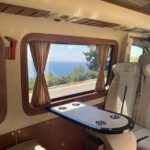
You’ll start at the Kuşadası Cruise Port, meet a guide with a name sign, then ride in a luxury vehicle with pickup and drop-off handled for you. The tour runs about 4 to 6 hours, so it’s not an all-day archaeological marathon—it’s a focused highlights route with real context. If your ship arrival timing is messy, you’ll need to be ready to meet the team fast to keep the day on track.
The price is $12.60 per person, which is notably low for a private, guided port excursion—especially with transportation, parking fees, and a licensed local guide included. Just remember: entrance fees aren’t always included unless you choose the ticket option for Ephesus and the House of Mary.
In This Review
- Key points before you go
- Kusadasi Cruise-Port Pickup and the Private Pace That Matters
- Ephesus Ancient City: Apassas Honey Bee to Today’s Marble Streets
- Temple of Artemis: A Short Stop With a Huge Legend
- Basilica of St. John and Ayasuluk Hill Legends
- House of the Virgin Mary: Archaeology Dates Meet Pilgrimage Tradition
- Kusadası’s Pigeon Island Fortress and Selçuk’s Roman-Byzantine Mix
- Price and Ticket-Option Value: When $12.60 Really Works
- Guide Quality and Pacing: What Makes or Breaks the Day
- Should You Book This Ephesus Shore Excursion?
- FAQ
- How long is the Ephesus shore excursion from Kuşadası?
- Is pickup and drop-off from the Kuşadası Cruise Port included?
- Are entrance tickets included?
- Where do you meet the guide?
- What should I bring for Ephesus?
- What if I need to cancel, or the tour can’t run due to weather?
- Is this tour private and in English?
Key points before you go
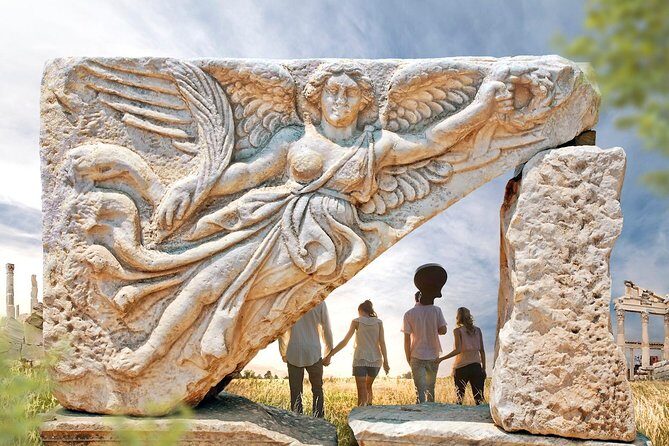
- Priority admission option can cut down long ticket lines at major sites
- Cruise-port timing help: meet your guide within 30–45 minutes after docking for the smoothest day
- The Artemis stop is short but story-heavy, including the Herostratus arson legend
- Basilica of St. John + Ayasoluk Hill area adds a quieter, less rushed feel
- House of the Virgin Mary mixes archaeology dates with pilgrimage tradition
- Comfort tip from the ground: Ephesus is uneven and can be slippery—bring sturdy shoes and water
Kusadasi Cruise-Port Pickup and the Private Pace That Matters
This is the kind of tour you choose when you have a cruise ship and you’re trying to avoid the usual scramble. You meet at the Kuşadası Cruise Port (Camikebir, Feribot Limanı area), and after booking you’re asked to contact the team to lock in your meeting time. When your ship comes in, you’ll want to meet the guide quickly—within 30 to 45 minutes—so you can avoid crowds, school buses, and the harsh sun.
What I like about the private format is that it’s built for your group’s rhythm. Guides described in recent experiences like Memo and Ali didn’t rush people and actively helped with timing, traffic, and photo spots. That matters at Ephesus, where it’s easy to feel overwhelmed if you’re stuck in a slow-moving line or you hit the busiest moments without a plan.
One practical note: a private tour still depends on the day’s cruise schedule. If your ship is delayed or the port flow is chaotic, you may start later, and that can compress time inside the sites. If you’re the type who wants long, slow wandering, you might find this itinerary moves faster than you’d like—though it’s usually the right trade-off for a shore excursion.
Other cruise-port tours we've reviewed in Kusadasi

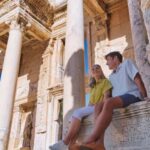
Ephesus Ancient City: Apassas Honey Bee to Today’s Marble Streets
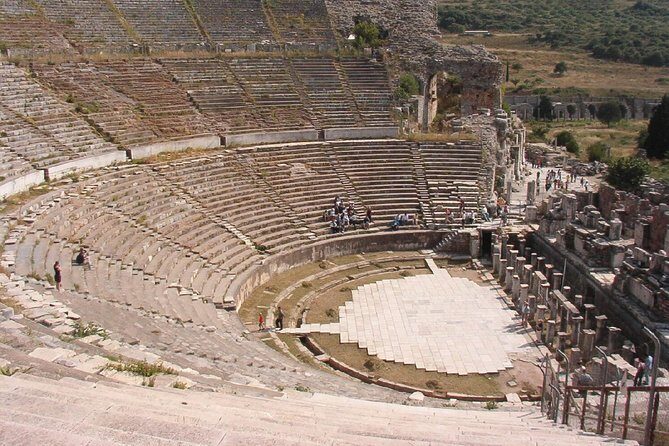
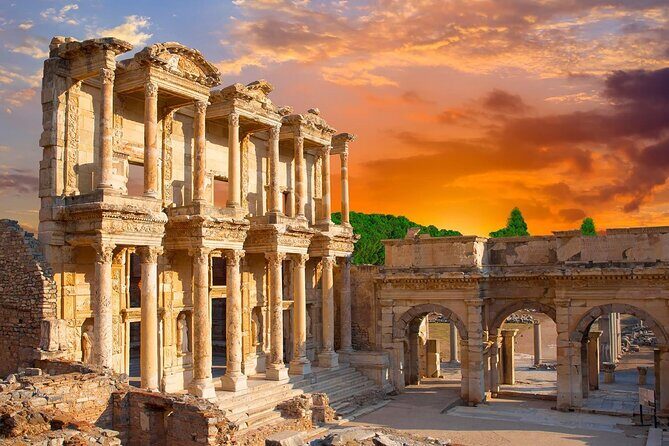
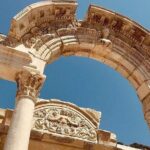
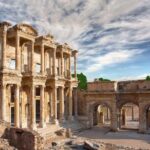
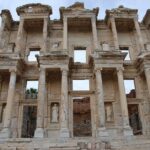
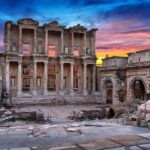
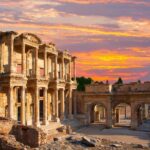
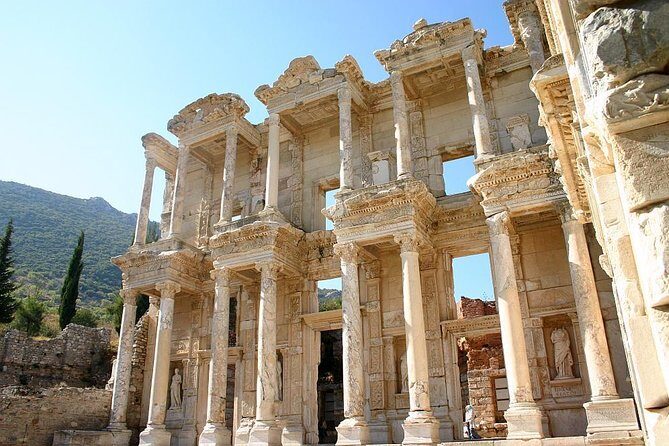
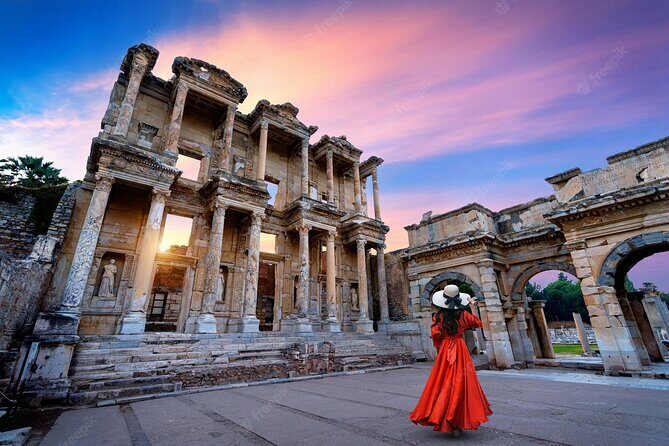
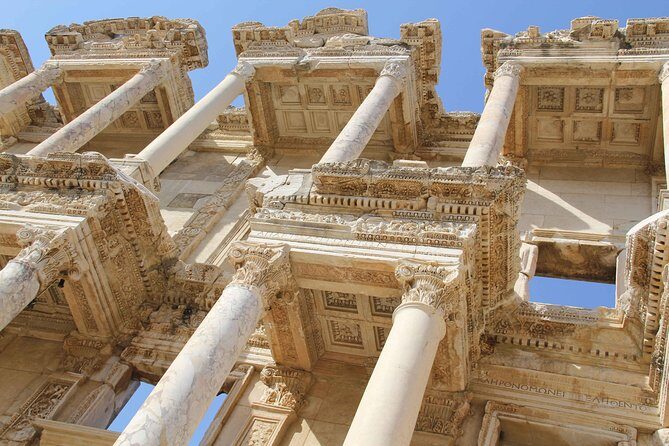
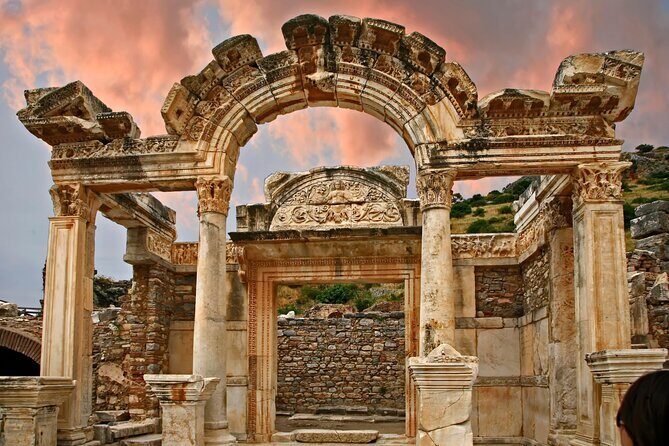
Ephesus is a UNESCO World Heritage site for a reason, but the real magic is the layers. The city didn’t stay in one place. Early settlement began on Ayasuluk Hill, then shifted to a valley between Mount Panayır and Mount Bülbül, and later moved back again due to harbor silting and repeated raids. Even the name carries a story: in Hittite cuneiform, Ephesus is connected with Apassas, described as meaning Honey Bee.
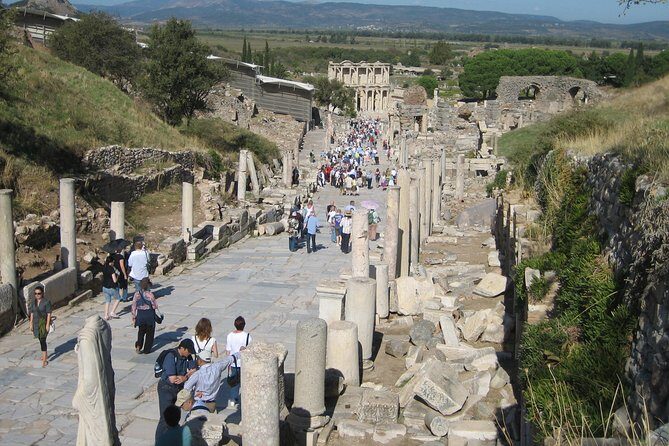
When you enter the ruins with a guide, the big advantage is context. Instead of seeing columns and road traces, you get the sequence: ancient Anatolian tribes, Ionian colonists, rule by Croesus of Lydia and later the Persians, then the major settlement you can still visit today. It turns the “wow, ruins” feeling into “I get why this place matters.”
You’ll typically spend about 2 hours at the Ephesus Ancient City stop. That’s enough for a highlights path, but it’s not enough to do everything. If you’re a history fanatic who wants to read every inscription, you’ll need to manage expectations and focus on the sections your guide points out first.
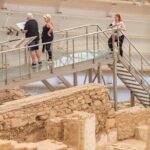
Two field tips can save your day. First, wear good footwear. Ephesus is uneven and some marble stones can be slippery. Second, bring plenty of water—it can feel like a long, exposed walk because there isn’t much shelter once you’re deep in the site. One guide-led day I reviewed was described as taking place in extreme heat where people felt like they were walking a lot like Pompeii, so hydration is not optional.
Temple of Artemis: A Short Stop With a Huge Legend
The Temple of Artemis is easy to miss if you don’t know what you’re looking for. In reality, you’re walking through a site connected to one of the ancient world’s most famous cults. Artemis here isn’t just a generic Greek goddess; the Ephesian version is described as a fertility-focused icon, historically linked with an archaic wooden image and a style where her body and legs are enclosed within a pillar-like structure.
Your guide’s job is to connect the art and the politics. Artemis of Ephesus appears on coins minted at Ephesus, often shown with a mural crown and holding a staff associated with entwined serpents or eternal serpent imagery. It’s the kind of detail that makes a quick stop feel richer than it sounds on a schedule.
You’ll also hear the famous fire story. The Temple of Artemis was built around 650 BC, and legend says it was destroyed by arson connected to Herostratus on July 21, 356 BC. The Ephesians’ anger was so intense that they supposedly tried to erase his name, even though later writers recorded it anyway. It’s the origin of the concept of fame at any cost, and it’s the kind of story that turns ruins into a living cautionary tale.
This stop is about 30 minutes, and that’s fair for a shore excursion. But if you want time for photos and a slow look at the site layout, be vocal with your guide. Even at 30 minutes, a skilled guide can point out the right angles so you don’t waste time circling.
Basilica of St. John and Ayasuluk Hill Legends
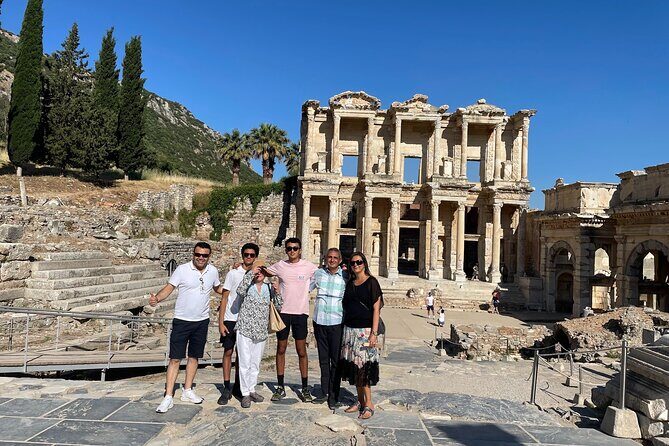
The Basilica of St. John sits on the slopes of Ayasoluk Hill, near Selçuk and about 3.5 km (2 miles) from Ephesus. It was constructed by Emperor Justinian in the 6th century and stands over what’s believed to be the burial site of St. John, identified as an apostle and evangelist.
This stop gives you a different pace from the larger Ephesus walk. Instead of endless stone fragments, you get a church setting tied to early Christian tradition, plus legends that developed over time. You’ll hear how St. John associated with Ephesus is connected to the author of the Fourth Gospel and the Book of Revelation, with links that shift between different Johns in early history.
There’s also a myth component: the story that John wasn’t fully dead but sleeping, with the idea that dust moved as he breathed. Whether you treat those details as spiritual tradition or history curiosity, the point is the same: this area has been a pilgrimage zone for a long time, and the basilica sits inside that narrative.
Admission isn’t automatically included unless you choose a ticket option that covers specific sites. If you’re aiming to visit everything with minimal fuss, double-check which stops are covered before the day begins.
House of the Virgin Mary: Archaeology Dates Meet Pilgrimage Tradition
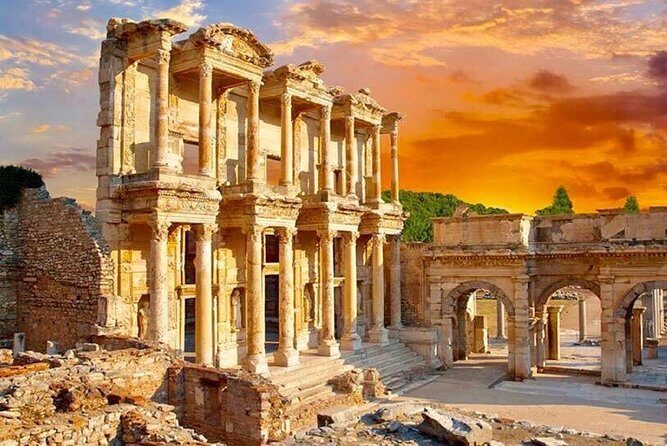
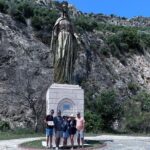
The House of the Virgin Mary is a popular place, and it’s the kind of stop that feels meaningful even if you’re not a religious traveler. The tour explains that Mary lived in Ephesus for some time, with the later question—did she die there—coming from visions associated with Anne Catherine Emmerich.
Here’s the practical side you’ll care about: the guide ties the pilgrimage story to tangible evidence. The site was reportedly found after Paul (Superior of the Lazarists from İzmir) read about Emmerich’s descriptions. Archaeological evidence is described as pointing to the 6th century AD for the structure, while foundations are linked to the 1st century AD. So you get both the faith tradition and the physical layers.
This shrine became official in 1896, and it later attracted major papal visits: Pope Paul VI in 1967, Pope John Paul II in 1979, and Pope Benedict XVI in 2006. That’s a lot of history, and it helps explain why you may find other pilgrims and tourists there.
Expect about 1 hour for this stop. That’s enough time to look around, take photos, and get the backstory without feeling like you’re sitting through a lecture. The main consideration is that people often treat this like a quiet moment—so keep your voice down and don’t expect the energetic pace you might have in Ephesus.
Other Kusadasi-departing tours we've reviewed in Kusadasi

Kusadası’s Pigeon Island Fortress and Selçuk’s Roman-Byzantine Mix
After the main Ephesus cluster, the tour adds two lighter but enjoyable stops that help you see more of the region around the ruins.
First is Kuşadası’s Byzantine fortress on Güvercin Adası (Pigeon Island). You reach it via a causeway. The area has been renovated and is now part of a well-kept public park with paths, information boards, and views from a small lighthouse area. Inside the fortress, you’ll find an impressive sight: a skeleton of a 14.5-meter fin whale, plus models of sailing boats. It’s unusual, and in a good way—more “coastal curiosity” than “another big ancient ruin.”
Next comes Selçuk, often used as the base for Ephesus. Selçuk can be crowded because of the Ephesus connection, but the town itself is described as relatively small and laid back. You’ll have a chance to walk through the compact center and see remnants such as an ancient Roman aqueduct and remains of a Byzantine citadel. This isn’t about ticking every archaeological box. It’s about getting a sense of how the modern town sits next to the ancient one.
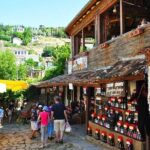
If you like practical cultural shopping, this tour also includes time connected to Kuşadası Market for traditional Turkish goods. Based on what I’ve seen from guides and itineraries in this area, you may also encounter craft-focused stops. If you dislike shopping detours, tell your guide up front so the day stays aligned with your interests.
Price and Ticket-Option Value: When $12.60 Really Works
Let’s talk value, because this is where the tour can either feel like a steal or feel mismatched.
At $12.60 per person, you’re paying for transportation, a professional licensed local guide, port pickup and drop-off, and all parking fees. That’s a lot for a shore excursion price point, and it’s especially strong if you’re also choosing the ticket option.
Entrance fees are not included by default, but the operator arranges ticketing in advance so you can skip long ticket lines at Ephesus when the ticket option is selected. Also, the tour notes that entrance tickets for House of Mary and Ephesus ruins are included if the included option is chosen. If you do not choose that option, you’ll be responsible for those entrance fees on the day.
Here’s the decision rule I’d use: if you want to maximize your time walking at Ephesus and reduce stress about lines, choose the ticket option. If you’re fine handling entry yourself and you really don’t care about saving time, the base price may still work—but you’ll lose some of the convenience.
Also, this tour runs 4 to 6 hours. That’s the whole reason the price makes sense. You’re not paying for a full-day private research project—you’re paying for an efficient, guided highlights circuit built around cruise schedules.
Guide Quality and Pacing: What Makes or Breaks the Day
In the reviews connected to this type of tour, guide performance comes up again and again. Names like Memo, Ali, Serdar, Furkan, Murat, and Ozz show up as people who were praised for English and for managing the flow of the day. One guide style that stood out is simple: avoid the worst traffic moments, time your entry well, and help you find photo angles without rushing.
Pacing is especially important at Ephesus because the site is big and exposed. A strong guide helps you choose a route that hits the major highlights first. It also helps with the “I paid for private” expectation. Private should mean you get fewer crowds around you and more flexibility in how the time is spent.
Now the balanced side. Some experiences you might have on these routes include time in shopping stops or lunch arrangements that feel less necessary. If you want zero shopping and straightforward touring, plan to set expectations when you meet the guide. You can also ask what parts of the day are fixed and which parts can be adjusted.
The other real-world risk is late changes. There was at least one case where a private tour was canceled last minute, which is rare but worth keeping in mind with any port-day plan. If something feels off the day of, push for quick clarity and keep your phone ready—cruise schedules don’t forgive uncertainty.
Should You Book This Ephesus Shore Excursion?
Book it if you want a guided, private highlights day with cruise-port pickup and a schedule that respects limited time. This is a great match for first-timers who want the biggest hits—Ephesus, Artemis, St. John, and the House of Mary—plus a couple of region add-ons like Selçuk and the Pigeon Island fortress.
Skip it (or manage expectations carefully) if you need hours and hours in only one site, or if you hate any shop stops. Also, if you’re traveling in extreme heat or you’re sensitive to uneven walking, plan your footwear and hydration like it’s part of the tour.
If you do book, here are the small actions that make the day smoother:
- Meet your guide quickly after docking, within 30–45 minutes
- Choose the ticket option if it helps you avoid line stress
- Wear sturdy shoes and bring water for Ephesus
- Tell your guide what matters most: photos, history depth, or minimal shopping
FAQ
How long is the Ephesus shore excursion from Kuşadası?
It runs about 4 to 6 hours depending on the cruise schedule and timing for the day.
Is pickup and drop-off from the Kuşadası Cruise Port included?
Yes. The tour includes port pickup and drop-off, and you’ll also have transportation by luxury vehicle.
Are entrance tickets included?
Entrance fees are not included by default. If you select the ticket option, entrance tickets for Ephesus ruins and the House of Mary are included, and tickets are arranged in advance to help you skip long lines.
Where do you meet the guide?
You meet at Kuşadası Port (Camikebir, Feribot Limanı, 09400 Kuşadası). The licensed guide meets you with a sign with your name.
What should I bring for Ephesus?
Bring water and wear good footwear. The site is uneven, and some marble stones can be slippery.
What if I need to cancel, or the tour can’t run due to weather?
You can cancel for a full refund up to 24 hours before the start time. If the experience is canceled due to poor weather, you’ll be offered a different date or a full refund.
Is this tour private and in English?
Yes, it’s private (your group only). It’s offered in English.