REVIEW · KUSADASI
Private Full-Day Biblical Ephesus Tour From Kusadasi
Book on Viator →Operated by Ephesus Tours · Bookable on Viator
Two faith stories meet in Ephesus. This private full-day tour pairs the UNESCO-listed ruins with key Christian sites like Meryemana and the Church of Mary, plus a route that keeps the day flowing.
I like that pickup is truly convenient, with door-to-door transport from Kuşadası or Selçuk and an air-conditioned non-smoking vehicle. I also like the human factor: you’re with a professional, licensed guide, and I’ve heard firsthand how guides such as Tannar or Phyllis can explain what each ruin was for, not just what it looks like.
One consideration: the tour overview says entrance fees and lunch are included, but the stop details also label some places as ticketed separately and others as free. Also, lunch is covered, but drinks and anything beyond that aren’t clearly included.
In This Review
- Key Points to Know Before You Go
- Ephesus + Biblical Sites: Why This Day Feels Different
- Pickup From Kuşadası or Selçuk: A Smooth Start Matters
- Temple of Artemis Stop: A Tiny Pause With Big Context
- Ancient City of Ephesus: What to Look For (So It Doesn’t Feel Like Random Ruins)
- Meryemana and the Church of Mary: The Council of Ephesus Connection
- The Cave of the Seven Sleepers and St. John’s Basilica
- Lunch, Tickets, and the Real Value of $160
- Who This Tour Fits Best
- Quick Practical Tips So Your Day Goes Smooth
- Should You Book This Ephesus and Biblical Heritage Tour?
Key Points to Know Before You Go
- Door-to-door pickup from Kuşadası or Selçuk, including cruise port coordination
- Licensed guide storytelling that helps the ruins make sense fast
- Christian heritage stops tied to real dates and sites like the Council of Ephesus (431 AD)
- A practical full-day route with breaks built in, including lunch
- Wheelchair accessible with a private setup for your group
- Gift bag and guidebook included to take the day’s highlights home
Ephesus + Biblical Sites: Why This Day Feels Different
Most Ephesus tours focus only on the Roman city. This one does something more useful: it links the archaeological site to Turkey’s Christian heritage, so you’re not just walking stones. You’re following a thread—Greco-Roman life in the city, then the later Christian story connected to places visitors associate with the New Testament era.
That combination makes the day feel more complete. After you’ve seen the big stage-like structures in the ancient city, you can turn to places that people connect with the Virgin Mary and the apostle John. It’s a clear change of pace, and the best part is that it’s organized rather than random.
And because it’s private, you’re not stuck with a loud herd moving at museum-speed. You’re on a guided route designed to cover the major moments without making you rush every single stop.
Other biblical & Bible study tours we've reviewed in Kusadasi
Pickup From Kuşadası or Selçuk: A Smooth Start Matters
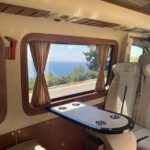
This is one of the biggest quality-of-life wins. You meet the guide at your hotel reception in Kuşadası or Selçuk or at the cruise port, then you’re taken inland with a professional driver in a comfortable van.
Timing-wise, the experience operates daily (Monday–Sunday) during a morning window of 7:00 AM–8:30 AM. That matters because Ephesus gets busy, and a morning start gives you better odds of enjoying the ruins without constant crowd pressure.
For cruise passengers, the tour asks for specific ship details at booking—ship name, docking time, disembarkation time, and re-boarding time. That’s a good sign for logistics, because Ephesus day-trips can be stressful when the ship’s schedule is tight. If you’re on a cruise, this kind of coordination is worth its weight in sunscreen.
Practical tip: if you’re sensitive to early starts, plan your night sleep like you mean it. The day is only about 6 hours, but it’s still a packed itinerary.
Temple of Artemis Stop: A Tiny Pause With Big Context
On the way in, you stop at the remains of the Temple of Artemis. It’s a short stop—around 20 minutes—but it’s a smart one. The Temple of Artemis is famous as one of the Seven Wonders of the Ancient World, so even if you’ve seen photos, the physical scale helps you understand why this place mattered.
Here’s the key value: you’re not just ticking off a name. You’re setting the stage before you enter the ancient city. You’ll get a quick reminder that Ephesus wasn’t only Christian later on—it was an important Greco-Roman religious and cultural center long before.
Potential drawback: since the stop is brief, don’t expect deep on-site exploration. Think of it as a “context checkpoint.”
Ancient City of Ephesus: What to Look For (So It Doesn’t Feel Like Random Ruins)
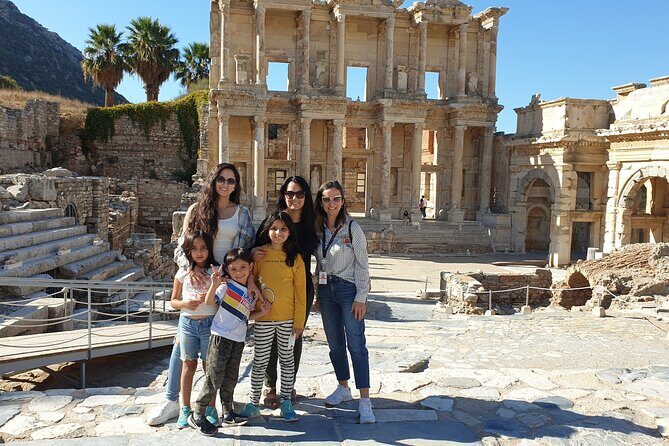
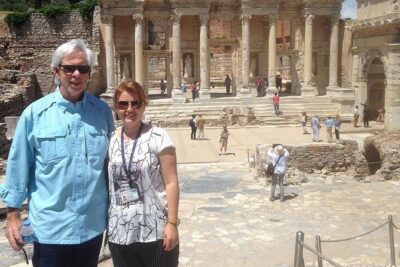
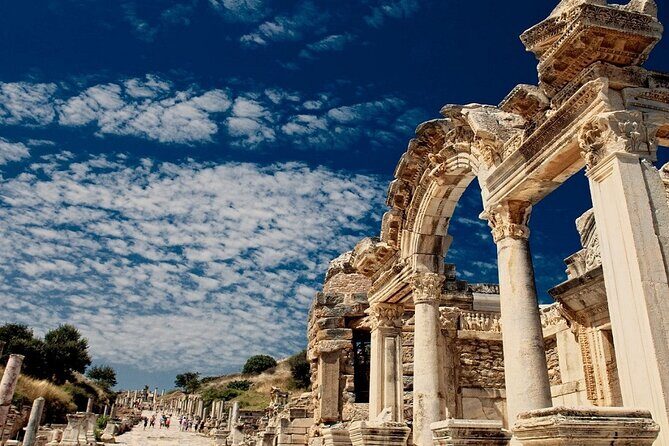
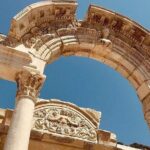
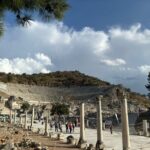
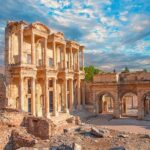
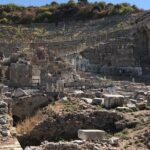
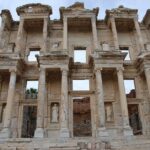
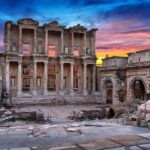
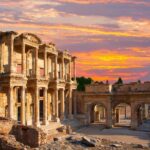
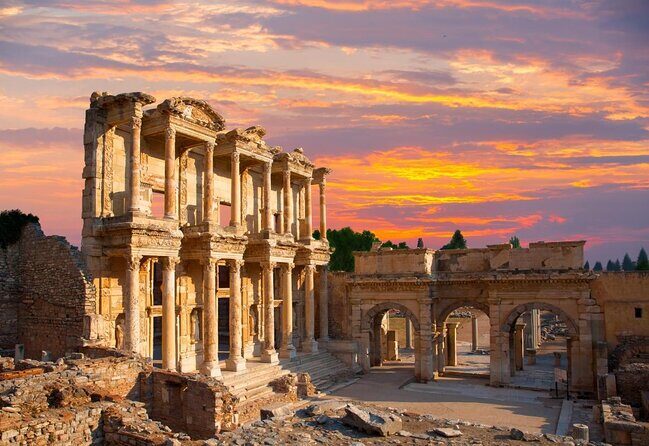
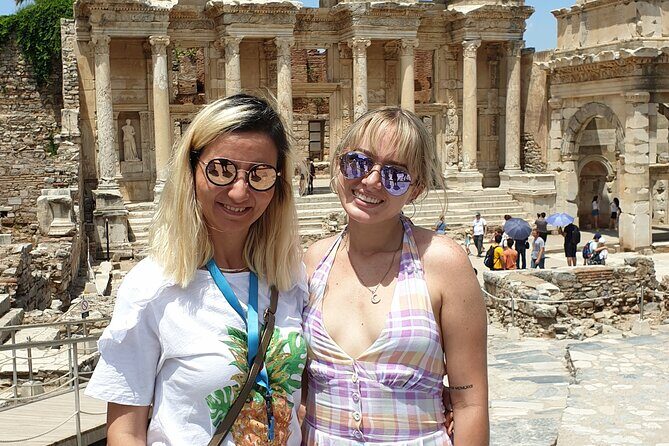
The main event is the Ancient City of Ephesus, an open-air archaeological site and UNESCO World Heritage center. You explore on foot following a route that takes you to the top landmarks, including:
- Celsus Library
- Grand Theater
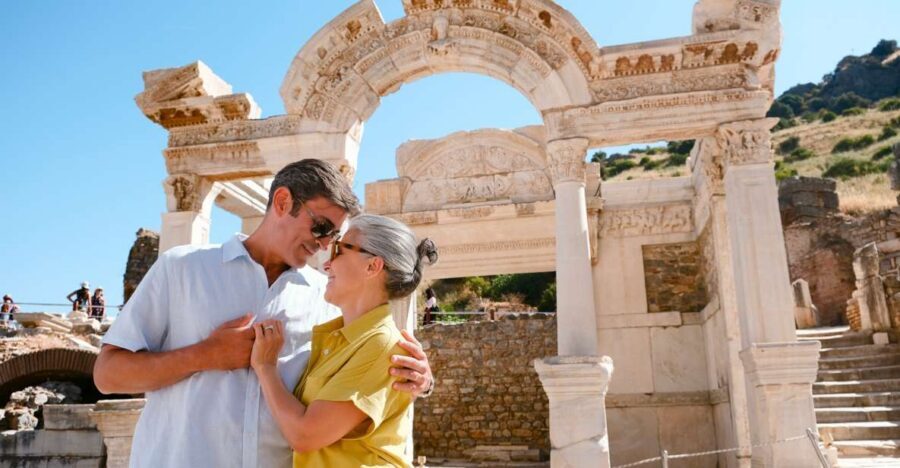
- Temple of Hadrian
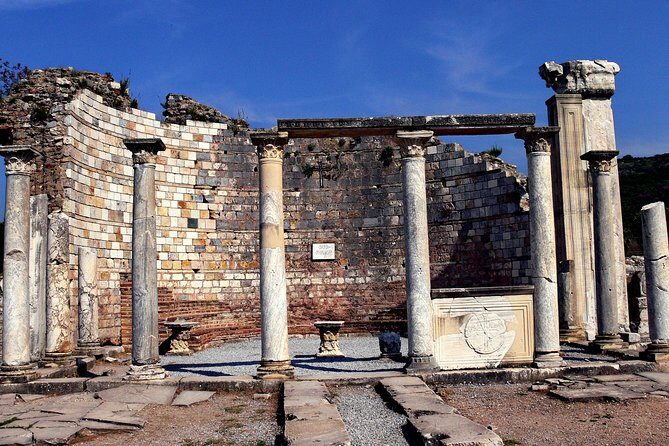
What makes a guided route valuable here is that the site can look like “columns and walls” if you don’t know what each building was used for. A good licensed guide helps you interpret what you’re seeing—how public spaces worked, how the city arranged power and culture, and why certain structures were built where they were.
In the real world, this kind of interpretation changes your whole experience. Without it, you can end up taking lots of photos but remembering only vague impressions. With it, you start spotting patterns: the role of public gathering areas, the way the city projected wealth, and how visitors would have moved through the city.
A small but useful note from the tour details: the stop time listed for the ancient city itself is 2 minutes. That sounds like a typo compared with a typical Ephesus walk, so don’t use it as your estimate of how long you’ll spend. In practice, you’ll spend meaningful time on-site—especially if you’re stopping for explanations as the day moves from site to site.
Practical tip: wear shoes you can walk in comfortably. Ephesus paths can be uneven, and you’ll want to keep your legs fresh for the later Christian sites.
Meryemana and the Church of Mary: The Council of Ephesus Connection
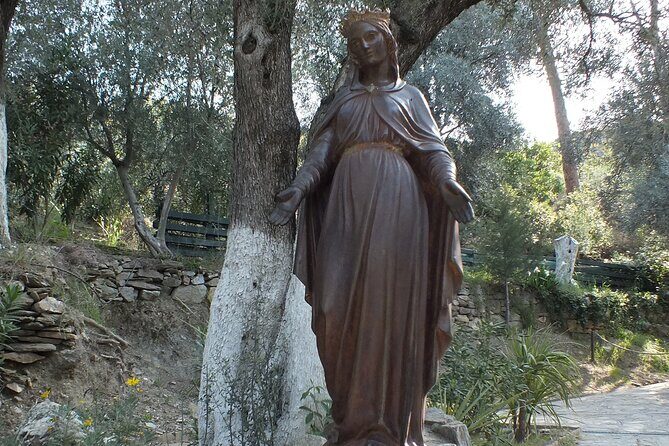
After the ancient city, the tone shifts—religion history takes the driver’s seat.
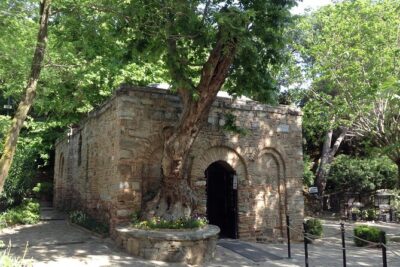
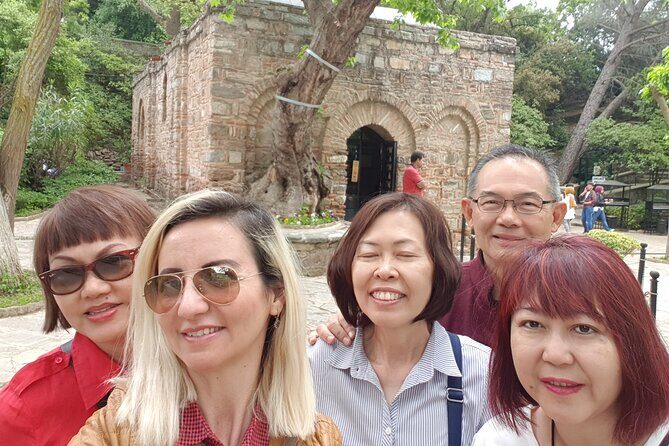
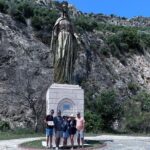
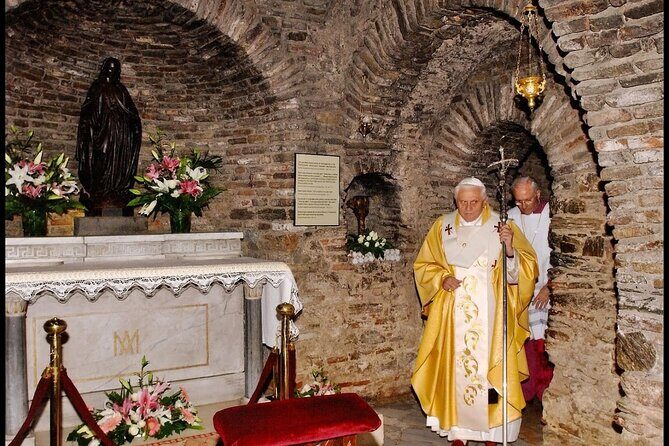
You’ll visit Meryemana (The House of the Virgin Mary), a site associated with the belief that Mary spent her last years there. The stop is listed at about 40 minutes. Even if you approach the story as faith-based rather than strictly historical, you’ll likely appreciate the sense of place visitors feel here.
Then you go to the Church of Mary, tied to the Council of Ephesus in 431 AD. That date is more than trivia. It helps you understand that this wasn’t just local devotion—it became part of an organized theological conversation in the Christian world.
Why this part of the tour works well on a full-day schedule: it gives your morning architecture and streets a later meaning. You see what the city looked like in its Roman heyday, then you understand why certain sites became important in Christian memory afterward.
Other Kusadasi-departing tours we've reviewed in Kusadasi
The Cave of the Seven Sleepers and St. John’s Basilica
Next up are two stops that people often remember because they’re specific and story-driven.
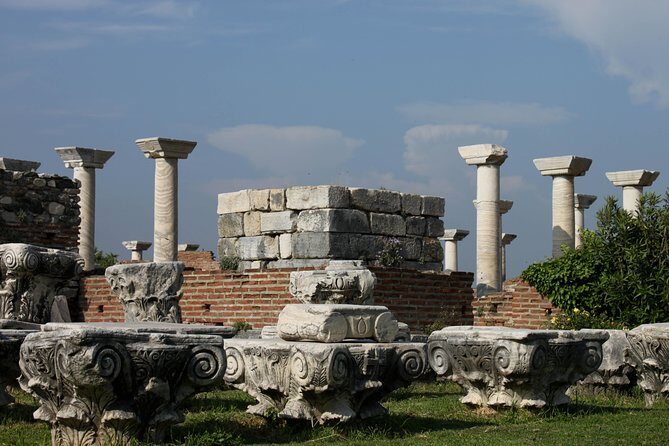
First is the Grotto of the Seven Sleepers, described as a cave where seven young Christians slept for about 200 years. The belief is that this happened as a miracle, which is why the site became a named destination rather than a forgotten cave in the hills. The stop is short—around 20 minutes—but it’s the kind of place where a simple explanation makes the visit click.
Then comes Saint John Kilisesi (the Basilica of St. John). You get a chance to see the tomb of St. John and visit a 6th-century basilica dedicated to his name.
This pairing is smart. The Seven Sleepers stop is more legend-focused. St. John’s Basilica is tied to a specific Christian figure and burial tradition. Together, they show how visitors of different eras turned physical locations into spiritual symbols.
Practical tip: if you’re visiting in warm months, pace yourself between stops. You’ll go from open-air ruins to indoor or sheltered areas, but the day can still feel hot and tiring.
Lunch, Tickets, and the Real Value of $160
The price is $160 per person, and that number matters most when you look at what’s included vs what you might pay separately.
Here’s what you can count on from the tour details:
- A professional, private, licensed tour guide
- A private air-conditioned non-smoking vehicle
- Round-trip transport from your port or hotel in Kuşadası or Selçuk
- Lunch is described as included in the day plan
- A mobile ticket is provided
- A complementary gift bag and guidebook to Highlights of Turkey
Now the important nuance: the overview says entrance fees are included, but the stop notes label some locations as Admission Ticket Not Included and others as Free. You also have a note about landing and facility fees not included. So I’d treat this like a check-before-you-go situation.
What this means for you: even if the coverage is mostly handled by the operator, it’s smart to confirm what entrance fees are included for the exact sites on your day. That’s how you avoid the awkward moment of realizing you’re still paying at the gate.
Still, the structure offers good value for several reasons. A private guide for a full day across multiple sites is not just sightseeing—it’s time saved and meaning gained. And the door-to-door transport helps more than people expect. Ephesus is not “just a quick hop” if you’re managing your own rides and schedules.
If you’re traveling as a small group, the “minimum of 2 people per booking” requirement also helps keep the private format within reach.
Who This Tour Fits Best
This tour makes the most sense for you if you want:
- A private day with a guide who can explain what the ruins were used for
- A blend of archaeology and Christian heritage rather than a single-theme tour
- Convenience, especially if you’re starting from a cruise port or don’t want to coordinate local transport
- A route with planned stops and a lunch break
It’s also listed as wheelchair accessible, and service animals are allowed. Since it’s private, your group can move at a pace that works better for your comfort level.
If you’re the type who likes to read plaques and figure things out on your own, you might still enjoy it. But the biggest advantage here is the guide’s role in connecting buildings, dates, and traditions into a coherent story.
Quick Practical Tips So Your Day Goes Smooth
A few things I’d plan for, based on how tours like this typically run at Ephesus and what this one covers:
- Bring sun protection. Even with a morning start, you’ll be outdoors.
- Wear breathable layers. You may shift between open-air ruins and more sheltered spaces.
- Carry a small snack mindset, even though lunch is included. The day is packed, and timing can vary with traffic and crowds.
- If you have dietary needs, ask about the vegetarian option available at booking.
Also, the tour notes say most travelers can participate, and transfer times depend on traffic and time of day. So leave room for a little variability rather than trying to “schedule the whole day minute by minute.”
Should You Book This Ephesus and Biblical Heritage Tour?
Yes, if you want one focused day that connects the UNESCO Ephesus ruins with major Christian sites tied to Mary and St. John. The private format, door-to-door pickup, and licensed guide support make this feel like more than a sightseeing drive.
I’d say book it if:
- You care about understanding what you’re seeing, not just snapping photos
- You’re on a cruise or short on time and want the schedule handled
- You like the mix of archaeology plus faith-history stops like the Council of Ephesus (431 AD)
I’d be cautious before booking if:
- You don’t want any surprise costs related to admissions, since the stop notes show some sites marked as ticketed separately. A quick confirmation at booking is the move here.
If you like your travel days structured, with a guide doing the heavy lifting of context, this is a strong way to experience Ephesus without wasting the day trying to figure out what’s what.