REVIEW · KUSADASI
Economic Explorer Ephesus Tour
Book on Viator →Operated by Online Travel Turkey · Bookable on Viator
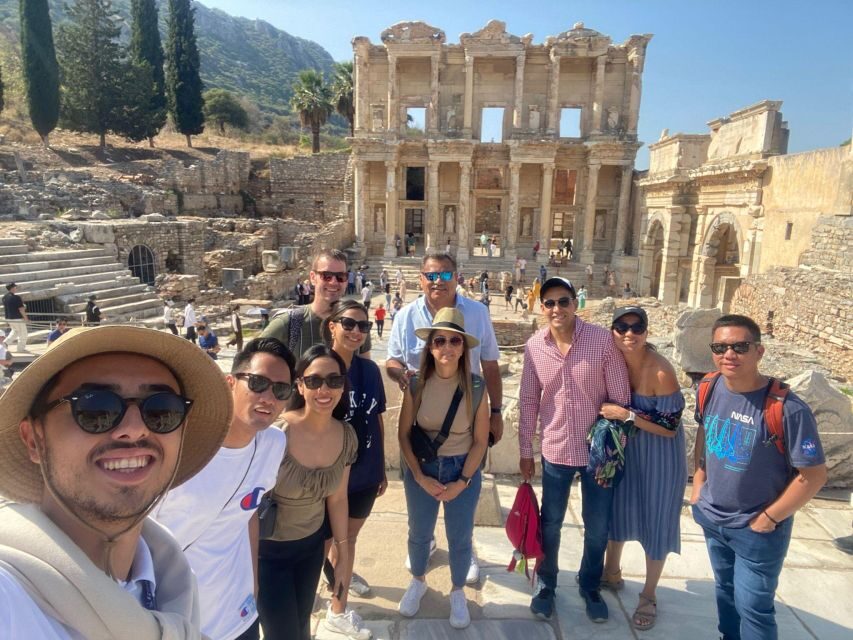
Ephesus in half a day is a smart move. What makes this tour appealing is the guided sweep through the big-name ruins, plus a built-in break for lunch at a local family spot. You get a focused look at the Library of Celsus, Marble Street, the Great Theater, the remains of the Temple of Artemis, and the mosaics in the Terrace Houses—so you’re not just standing in the middle of ancient stones.
What I like most is that the experience is set up for cruise timing: pickup runs from the Kusadasi cruise port and the group stays small (up to 18). The second big plus is the meal and cultural add-ons that show up in the day’s flow, including a traditional lunch and even a carpet weaving demo you can watch up close.
One thing to plan for: the headline price does not include Ephesus entrance fees, so you’ll need to budget extra on arrival (€40 per person).
In This Review
- Highlights You’ll Actually Use
- Cruise-Port Pickup and a Small-Group Pace
- Ancient City of Ephesus: What to Look For (and Why It Matters)
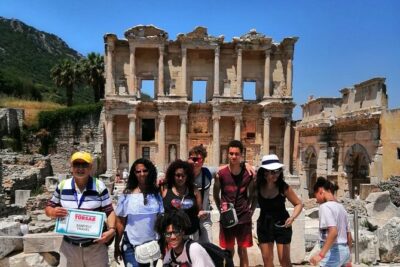
- The Library of Celsus: More Than a Pretty Facade
- Marble Street: The Old City’s Main Flow
- Great Theater: Built for Speeches and Performances
- Temple of Artemis Remains: The Sense of What Once Was
- Terrace Houses and Mosaics: Seeing Life at the Top
- Entrance Fees: Budgeting the Real Cost (Without Surprises)
- What payment methods to plan for
- Lunch Included: Where the Value Shows Up
- Getting the Most From a 3 to 4 Hour Tour
- Small Logistics That Make a Big Difference
- Who This Tour Fits Best
- Should You Book Economic Explorer Ephesus?
- FAQ
- How long is the Ephesus tour from Kusadasi?
- Is pickup included, and where does it start?
- Who can book this tour?
- What language is the tour offered in?
- What is included in the price?
- Are Ephesus entrance fees included?
- What payment methods work for the entrance fees?
- What if the weather is poor?
Highlights You’ll Actually Use
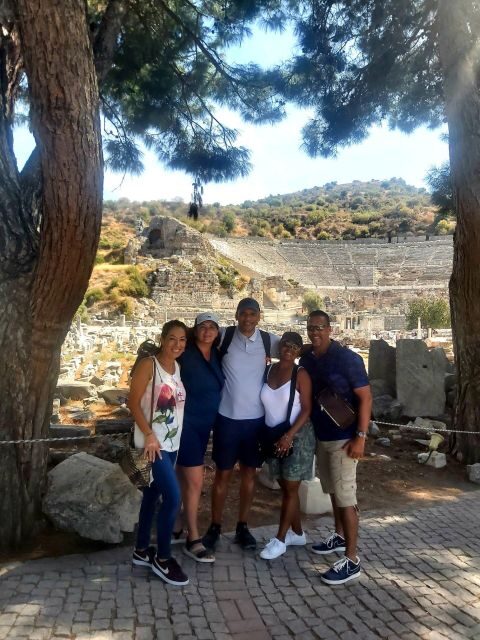
- Cruise-port friendly timing with a guide meeting you at the port and a sign with your name
- Small group size (max 18), which keeps questions from getting lost in the shuffle
- English guiding that helps you connect the dots at each ruin stop
- Lunch included, so your half-day doesn’t turn into a snack hunt
- Entrance fees separate (€40 per person), with Turkish lira cash or Visa/Master credit card accepted
Cruise-Port Pickup and a Small-Group Pace
If your day is limited to a few hours, this is exactly the kind of tour that makes sense. You start at the Kusadasi cruise port, where your guide meets you and holds a sign with your name. Then you head out together in an air-conditioned vehicle, with parking handled for you.
The small-group limit (18 people max) matters more than you might think. At major sites like Ephesus, crowds can make self-guided wandering feel chaotic. With a group this size, you’re more likely to keep a steady rhythm and actually hear the key points instead of playing catch-up.
One practical note: this is only for cruise guests. If you’re not traveling on a ship, you won’t fit the format. That keeps the operation efficient, but it’s a dealbreaker if you were hoping for something more flexible.
Other budget & affordable tours we've reviewed in Kusadasi
Ancient City of Ephesus: What to Look For (and Why It Matters)
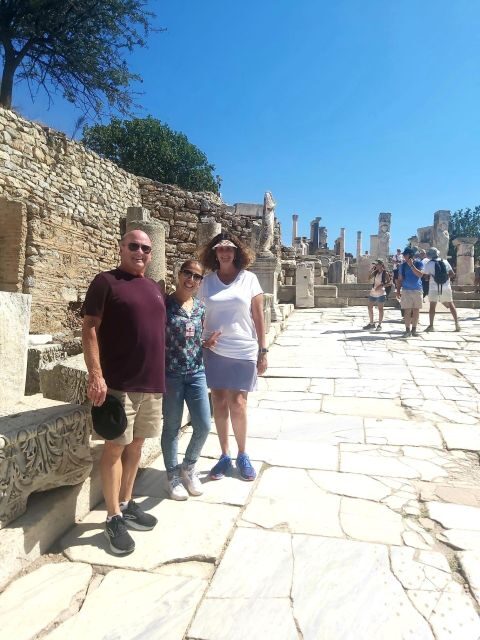
Your main stop is the ancient City of Ephesus, and the route hits the most recognized sights in a logical order. Think of it as the greatest-hits version—carefully chosen so you can see a lot without burning your entire day in lines and walking.
The Library of Celsus: More Than a Pretty Facade
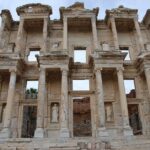
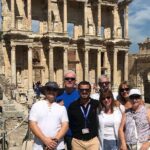
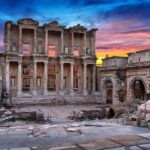
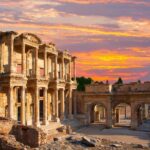
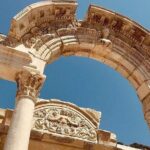
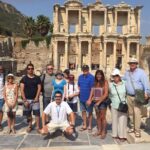
You’ll spend time around the Library of Celsus, one of the city’s most famous structures. It’s the kind of place where architecture is the message: the building signals status and a commitment to learning. When you’re there, I’d focus on how the structure frames space, because it helps you understand why this site became a landmark.
A drawback of short tours is that you don’t get to linger. So if libraries and inscriptions are your thing, you may want to ask the guide for a quick pointer on what to notice first—then you can look a bit longer while the group moves on.
Marble Street: The Old City’s Main Flow
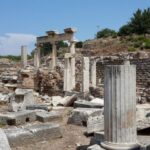
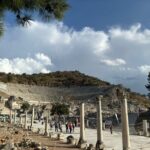
Next is Marble Street, the long spine of Ephesus. This is where it helps to picture what daily movement looked like. Instead of thinking of it as ruins laid out for photos, try imagining deliveries, conversations, and traffic that once used this route as the city’s everyday channel.
The benefit here is that Marble Street gives you a sense of scale. Even if you don’t recognize every foundation, you can still feel the city’s size by how much distance you’re covering.
Great Theater: Built for Speeches and Performances
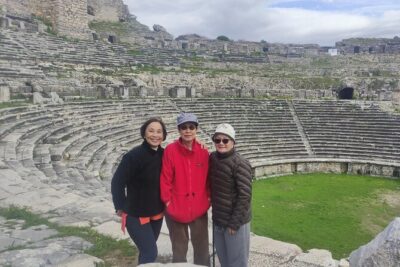
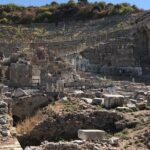
The Great Theater sits into the mountainside, and it’s designed for an audience experience. The point isn’t just that it’s impressive—it’s that the theater represents how public life worked in Ephesus, from performances to large gatherings.
If you’re the type who likes to understand how space shapes sound and view angles, this stop will land well. Even on a timed tour, you can usually spot the logic of the seating and the stage area quickly.

Temple of Artemis Remains: The Sense of What Once Was
The remains of the Temple of Artemis are a different feeling from the restored parts of many ancient sites. You’ll see how devotion can leave a footprint, even when the original structure is no longer standing.
This is also a moment where you’ll get the most value from your guide’s context. When you don’t have full walls or complete columns, the explanation helps you interpret the sight you’re looking at. If you want to get something out of this stop in a short window, this is where you should pay close attention.
Terrace Houses and Mosaics: Seeing Life at the Top
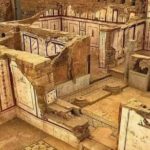
The Terrace Houses are often the highlight for people who want more than public buildings. Here you’re looking at evidence of how Ephesus’ elite lived, including the decorative mosaics.
I like this segment because it changes the vibe. Public spaces—street, theater, major temples—tell you what the city did. The Terrace Houses tell you how some people lived day to day. In a short tour, that contrast is gold.
Entrance Fees: Budgeting the Real Cost (Without Surprises)
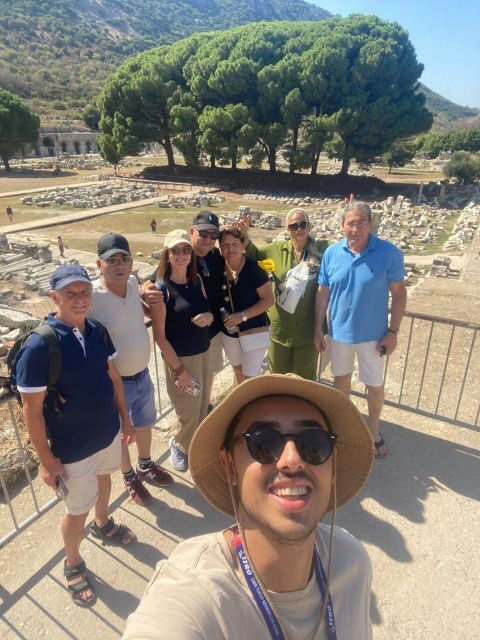
Let’s talk money clearly, because this tour has a common gotcha: the paid price covers the tour operations, but it does not cover Ephesus entry.
You’re paying $29.50 per person for the tour, and then you’ll also pay €40.00 per person for the Ephesus entrance fees. If you’re comparing options, treat those as two separate line items.
What payment methods to plan for
You can pay entrance fees with cash in Turkish lira. You can also pay by Visa or MasterCard credit card. So if you’re arriving with only euros or only cards, you’ll want to adjust.
My practical advice: carry a little Turkish lira anyway. Even if you plan to use a card, it reduces stress if lines or terminals cause delays.
Lunch Included: Where the Value Shows Up
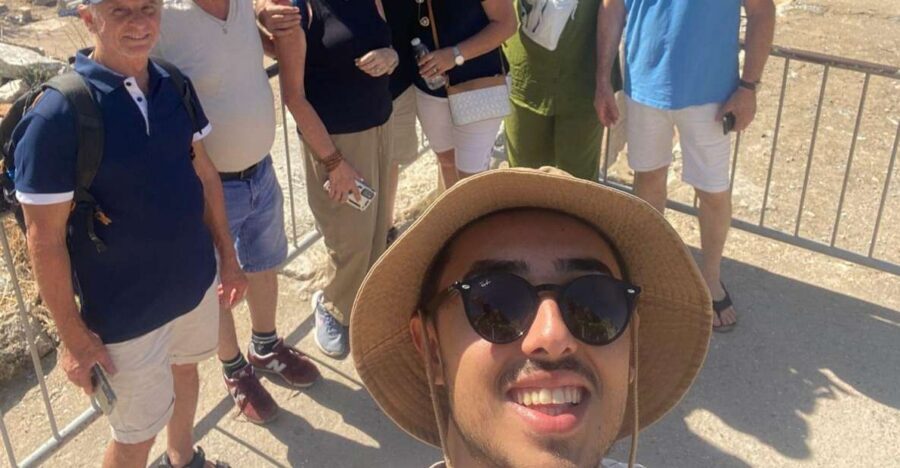
This is one of the strongest value points in the day. The tour includes lunch, which is a big deal on cruise days when meal times can become chaotic. Having lunch handled means you’re not rushing between ruins and restaurants or bargaining for acceptable food with limited time.
In the experience format, lunch is at a local family restaurant. One of the most memorable details from the day is that the meal is connected to a setting that includes a farm and a weaving school, plus time for a carpet weaving demo.
That matters because it turns lunch from a “stop for food” into part of the story. You’re not just ticking boxes; you’re seeing how crafts and rural life fit into the region around Ephesus.
Getting the Most From a 3 to 4 Hour Tour
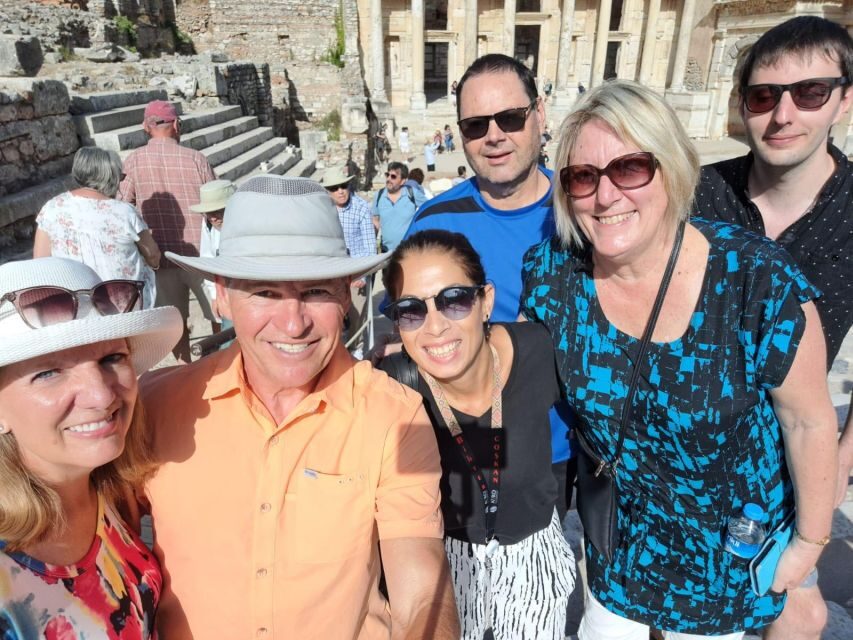
This tour runs about 3 to 4 hours. That’s short, which is exactly why it works for cruise schedules—but it also means you’ll want to travel with the right mindset.
Here’s how I’d approach it:
- Arrive ready to move. This is not a slow museum day.
- Pick what you’ll spend extra seconds on. For many people, it’s the Library of Celsus details or the mosaic patterns in the Terrace Houses.
- Ask questions when your guide offers them. The guide’s job is to translate the site so you understand what you’re looking at fast.
The good news: the guide-led pace is built for efficiency. You’re not alone with your phone and a map trying to decode ancient layouts.
Small Logistics That Make a Big Difference
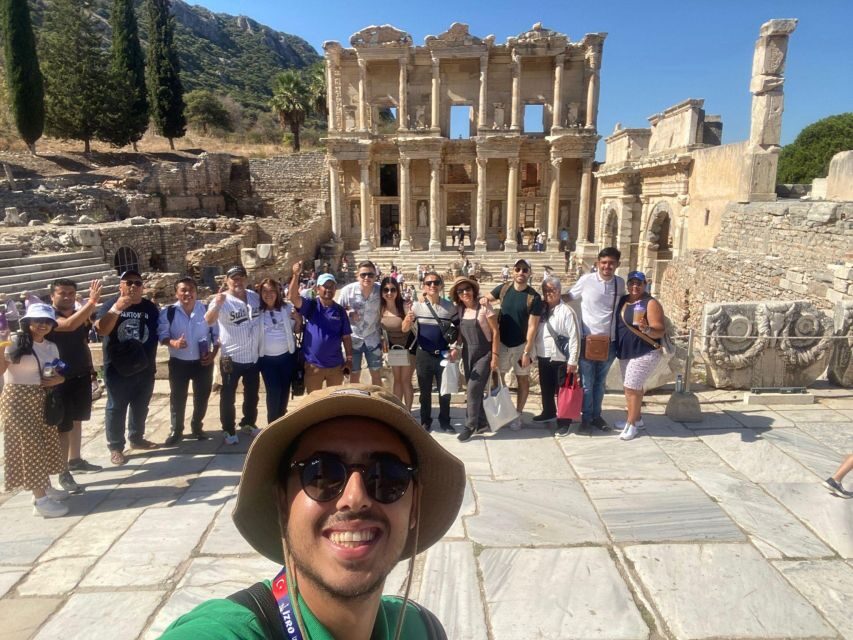
The tour includes an air-conditioned vehicle, parking fees, guiding, and insurance. Those sound like standard inclusions, but they matter when you’re on a tight schedule.
The driving and parking support reduces the most stressful part of a day like this: losing time to transit or searching for where to park. You also get a guide who can keep you aligned with what to see first, so you don’t miss the core sights.
Also, there’s a simple ceiling: a maximum of 18 travelers. That tends to keep questions possible and walking manageable, especially at busy entrances.
Who This Tour Fits Best
This is a great fit if:
- You’re a Kusadasi cruise guest with limited time.
- You want a guided “greatest hits” run through Ephesus rather than an unstructured walk.
- You appreciate having lunch covered so you can focus on the ruins.
It might be less ideal if:
- You’re not a cruise passenger, since pickup is for cruise guests only.
- You strongly prefer to roam independently for hours without group pacing.
- You want entrance fees included in the base price. They’re separate here.
Should You Book Economic Explorer Ephesus?
I’d book it if your goal is a smart, time-efficient Ephesus experience with English guidance and lunch included, starting right at the cruise port. The small-group size and the focused route through the big visual anchors—Library of Celsus, Marble Street, Great Theater, Artemis remnants, and Terrace Houses—make it a strong value for a short day.
Just go in with two expectations set:
1) You’ll add €40 entrance fees on top of the tour price.
2) This is built for cruise timing and cruise guests only, so it’s not for everyone.
FAQ
How long is the Ephesus tour from Kusadasi?
It runs about 3 to 4 hours.
Is pickup included, and where does it start?
Yes. Pickup is offered, and the tour starts after your guide meets you at the Kusadasi cruise port. Your guide greets you with a sign with your name on it.
Who can book this tour?
Only cruise guests can make reservations.
What language is the tour offered in?
The tour is offered in English.
What is included in the price?
Included features are an air-conditioned vehicle, parking fees, guiding, insurance, and lunch.
Are Ephesus entrance fees included?
No. Entrance fees for Ephesus are €40.00 per person and are not included.
What payment methods work for the entrance fees?
You can pay entrance fees in cash using Turkish lira. You can also pay by Visa or MasterCard credit card.
What if the weather is poor?
This tour requires good weather. If it’s canceled due to poor weather, you’ll be offered a different date or a full refund.
If you tell me your cruise arrival time, I can help you judge whether this 3–4 hour format will feel relaxed or tight.