REVIEW · KUSADASI
Ephesus & Virgin Mary’s House Tour (Entry Fees Included)
Book on GetYourGuide →Operated by OKEANOS TRAVEL · Bookable on GetYourGuide
Two worlds, one easy half-day. You’ll walk through ancient Ephesus with a live guide, then ride into the hills for Mary’s House, a quiet, meaningful stop with visitors from many faiths.
I love the way this tour gives you big “Roman city” sights—especially the Celsus Library and the Great Theatre—without turning the day into a marathon. I also like that the pace changes after Ephesus: you shift from crowds and stone to a place meant for prayer and reflection.
One thing to consider: this experience involves a lot of walking on uneven ancient surfaces, so it’s not a good fit if you have mobility issues (and it’s not wheelchair-friendly).
In This Review
- Key Points to Know Before You Go
- Ephesus and Mary’s House in 4.5–5 Hours
- Pickup From Izmir or Kusadasi: How the Day Starts
- Walking Ancient Ephesus: Marble Streets and Big Stories
- The Great Theatre and Celsus Library: Rome’s Stage and the City’s Showpiece
- Temple of Hadrian, Medusa Stone, and the Fun Details
- Trajan Fountain and the Chance to See More Than You Planned
- Virgin Mary’s House: The Peaceful Switch That Makes This Tour Worth It
- Language Support: Easy Explanations in Multiple Options
- Time, Comfort, and the Small Rules That Save Hassle
- Private vs. Small Group: Does It Change the Experience?
- Price and Value: Is $150 Fair for This Amount of Coverage?
- Who This Tour Fits Best (and Who Might Skip It)
- FAQ
- FAQ
- What sites are included on this tour?
- How long does the tour last?
- Where does pickup happen?
- What’s included in the price?
- Are entrance fees included?
- What languages are available for the guide?
- Is this tour private or in a group?
- What should I bring?
- Is video recording allowed?
- Is the tour wheelchair accessible?
- Should You Book This Ephesus and Virgin Mary’s House Tour?
Key Points to Know Before You Go
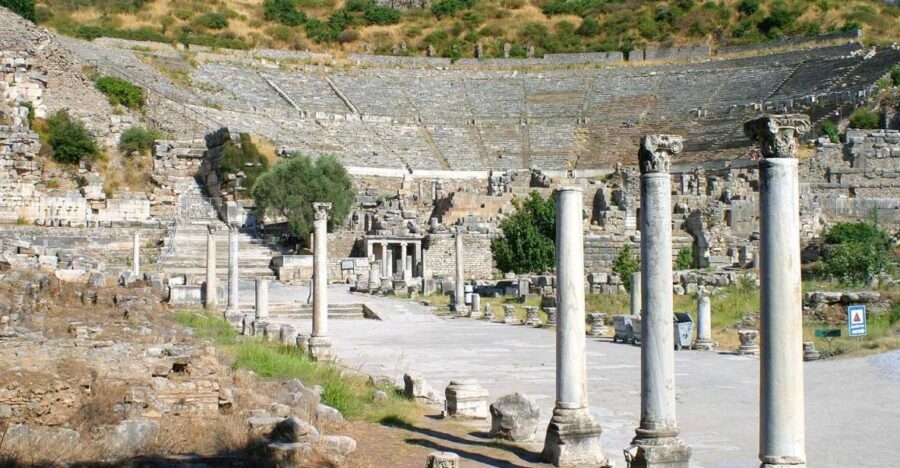
- Ephesus highlights in one run: Great Theatre, Celsus Library, Temple of Hadrian, Trajan Fountain, and more
- Mary’s House in the mountains: chapel visit, the Wishing Wall, and a natural spring people come to for water
- All entry fees covered: you’re not juggling tickets while you’re trying to enjoy the ruins
- Professional multilingual guiding: guides operate in several languages, including English
- Easy one-day mix: dramatic archaeology in one half, then calm spirituality in the other
Ephesus and Mary’s House in 4.5–5 Hours
This tour is built for people who want an efficient day without skipping the emotional contrast that makes Ephesus special. You get the scale of a major Greek-Roman city first—wide marble streets, major monuments, and storytelling you can actually follow—then you leave the noise behind and head to a small stone home tied to Christian tradition.
The timing is a sweet spot: long enough to see the essentials, short enough that you don’t spend your whole trip exhausted. The total duration is 4.5 to 5 hours, and you’ll be picked up and dropped off from your location in the Ephesus area (more on that below).
Other House of Virgin Mary tours we've reviewed in Kusadasi

Pickup From Izmir or Kusadasi: How the Day Starts
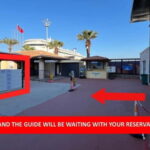
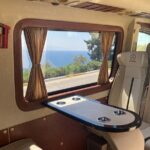
If you’re staying around Izmir or Kusadasi, the logistics are meant to be simple. You can expect pickup from the port, airport, or your hotel, and then a ride in an air-conditioned vehicle.
This matters because Ephesus traffic and parking can waste time. Here, you’re not spending your morning figuring out how to get where you need to be. And since transportation is included, you’re also less likely to feel pressured to rush every stop.
The tour can run as private or small groups, which often helps you move at a calmer pace—especially useful when you’re switching from a busy archaeological site to a quiet religious location.
Walking Ancient Ephesus: Marble Streets and Big Stories
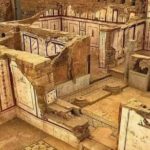
Ephesus is often described like an open-air museum, but the real win is what your guide does with it. You’re not just looking at stones; you’re walking 2,000-year-old marble streets while someone ties the buildings to real people and real events.
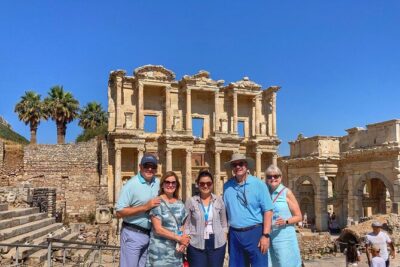
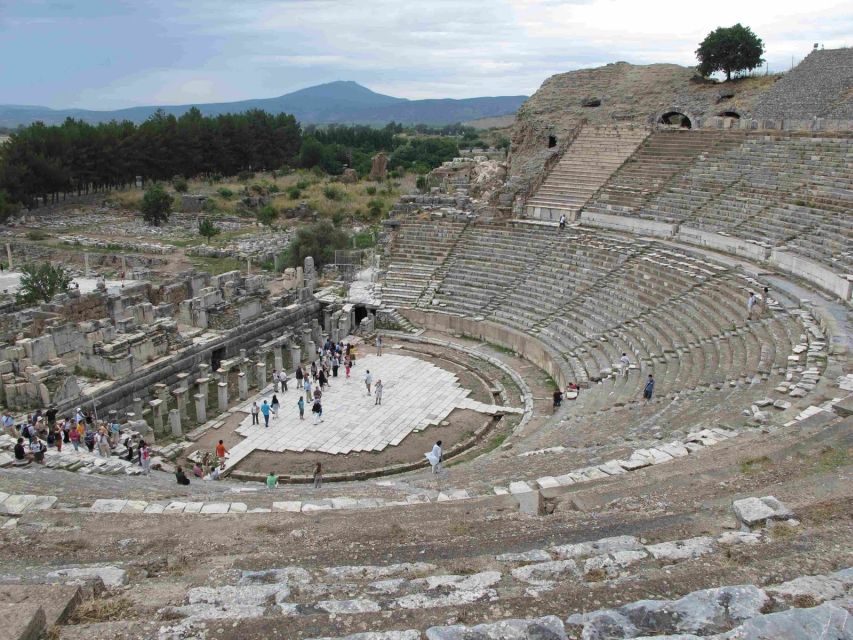
Expect to cover the most famous sections of the ancient city on foot. The route typically includes iconic landmarks like the Great Theatre and the Celsus Library, plus smaller details that make the city feel lived-in. A good guide helps you “read” the ruins—what you’re looking at, why it mattered, and how it connects to the wider world of the Mediterranean.
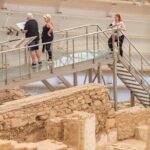
Practical note: you’ll want comfortable shoes. Uneven ground and lots of walking are part of the deal at Ephesus, and that’s usually the main reason people feel it in their feet by the end.
The Great Theatre and Celsus Library: Rome’s Stage and the City’s Showpiece
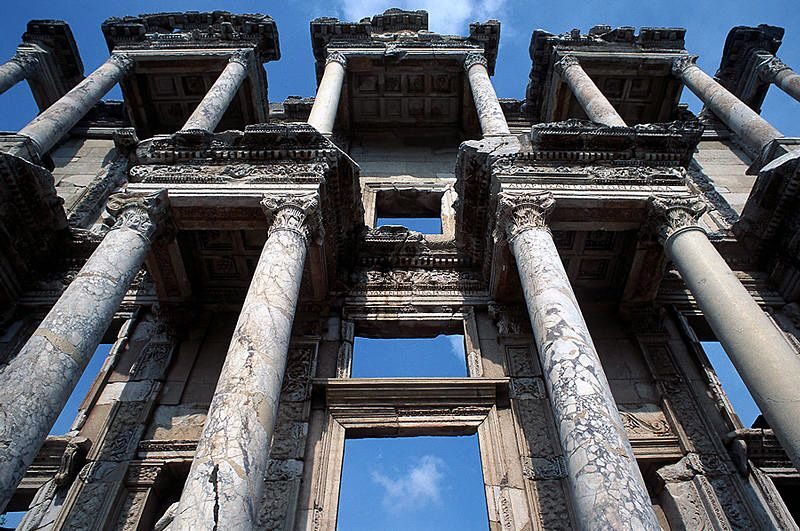
Two stops here are basically the heart of Ephesus.
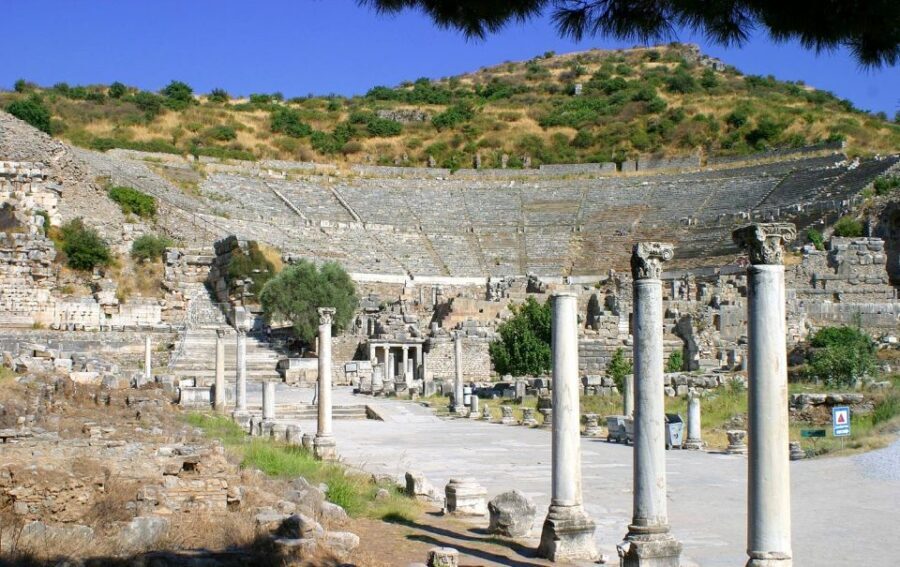
First up is the Great Theatre, huge enough to hold around 24,000 people. Even if you don’t memorize seating capacity, you’ll feel the scale. It’s the kind of structure where your brain naturally asks: what did gatherings sound like here? How did people see the stage from so far away?
Your guide also points out the connection to St. Paul speaking in the area. That’s not just trivia; it’s what turns the theatre from “cool architecture” into a place where major early Christian history sits alongside Roman urban life.
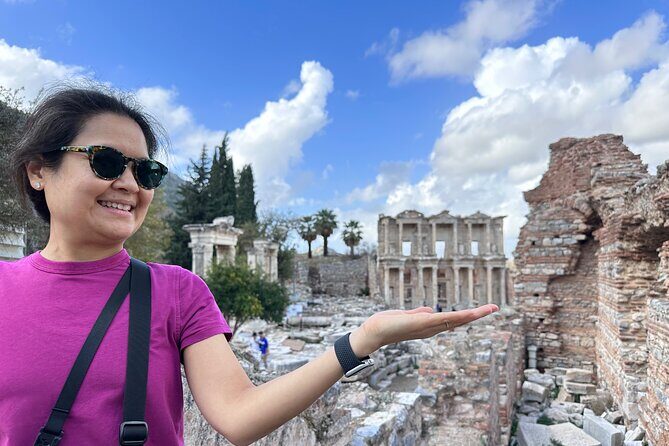
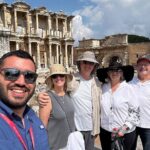
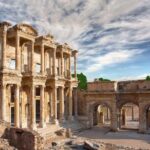
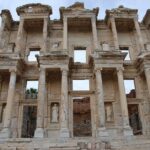
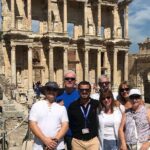
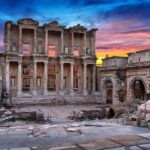
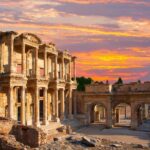
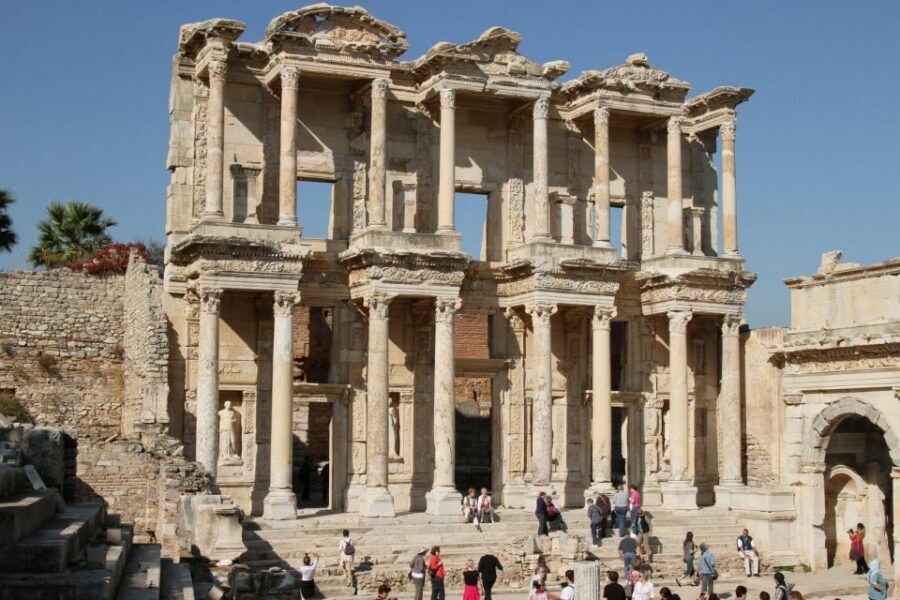
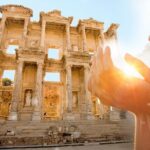
Then comes the Celsus Library, one of the most beautiful and recognizable ruins in the region. It wasn’t just a library. It also functioned like a monumental tomb, so you get a blend of knowledge, power, and commemoration in one structure. If you like ruins that tell multiple stories at once, this is one of the best stops on the itinerary.
Temple of Hadrian, Medusa Stone, and the Fun Details
If you only go for the big monuments, you’ll still do fine. But this tour also includes the kinds of details that make Ephesus feel playful and human.
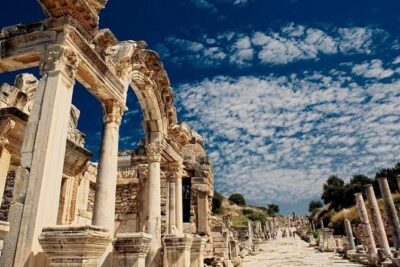
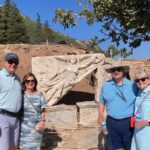
At the Temple of Hadrian, you’ll see a stone head associated with Medusa. The guide explains that people believed it helped protect against bad luck. It’s a reminder that these weren’t sterile museum pieces; they were parts of everyday belief systems.
There’s also a quirky “how did they even think of this?” moment tied to the idea of the world’s first advertisement—a stone carving featuring a footprint and a heart. The point isn’t just the novelty. It helps you understand how people used public space for messages and directions, long before modern signage existed.
These are the moments where you start enjoying the city as more than a checklist. The guide turns small carvings into “why should I care?” explanations, and it makes your walk feel faster because you’re actually following a story.
Other all-inclusive tours we've reviewed in Kusadasi


Trajan Fountain and the Chance to See More Than You Planned
Another included stop is the Trajan Fountain. Today you might only see a remaining piece from the larger statue—just one stone foot is mentioned as the surviving element. It sounds small, but it works as a reality check: empires can produce massive monuments, and centuries later only parts remain.
That’s also why tours like this are valuable. Without interpretation, you could stand in front of a fragment and think, So what? With a guide, you understand what it used to be and why it mattered.
And because the day is structured to move through the major points first, you’re less likely to miss the “supporting cast” details that make Ephesus feel complete.
Virgin Mary’s House: The Peaceful Switch That Makes This Tour Worth It
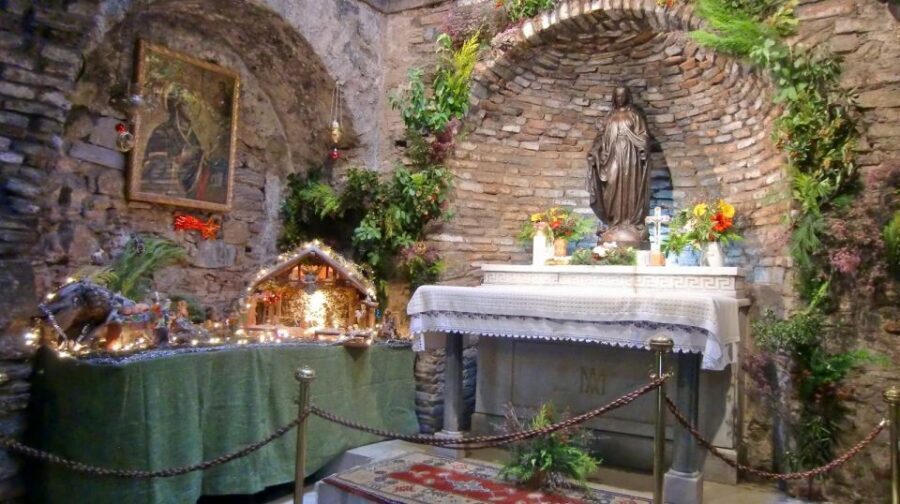
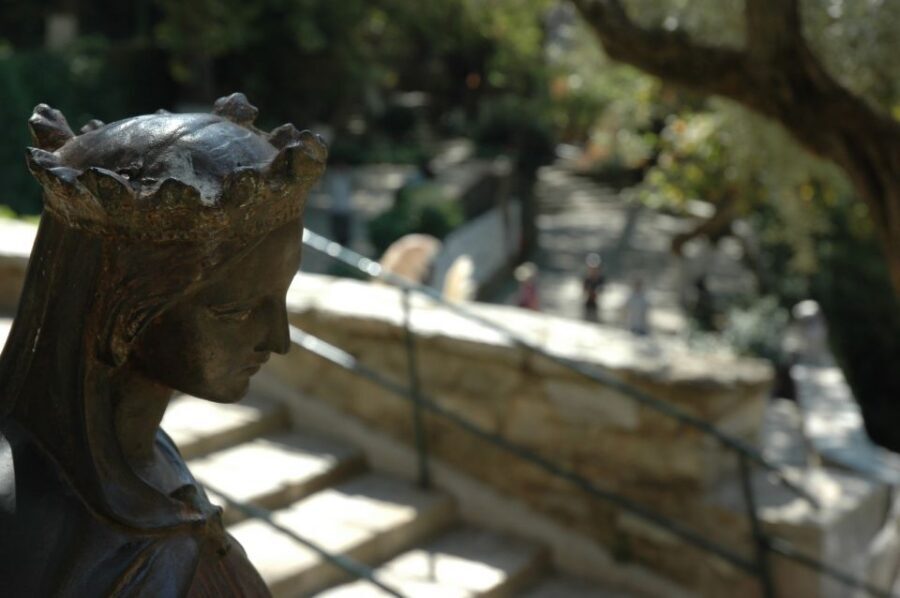
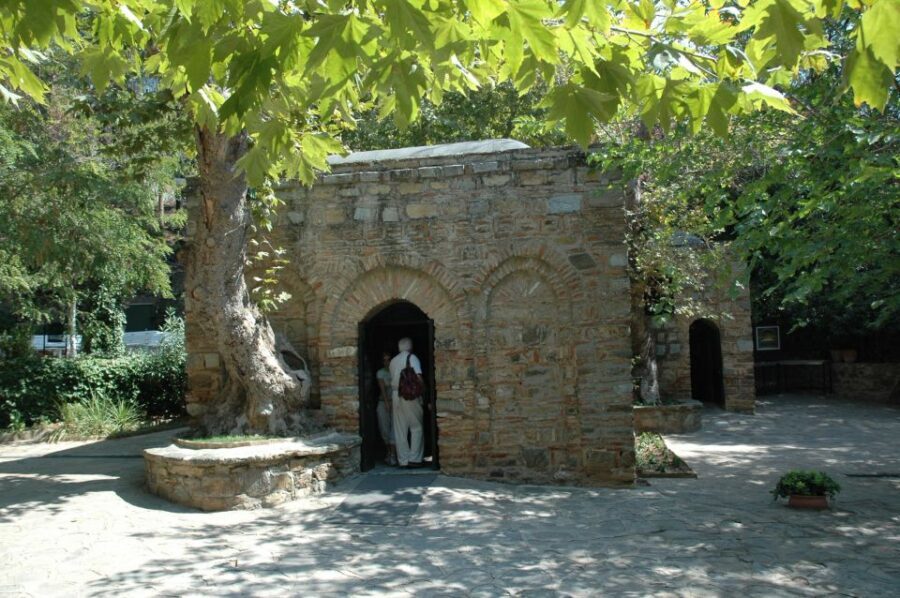
After Ephesus, you drive into quieter green mountains. This is where the tone changes in a way I really appreciate. One moment you’re dealing with huge Roman-scale architecture; the next you’re visiting a small stone home associated with the Virgin Mary’s life in Christian tradition.
Many Christians and Muslims believe Mary spent her final years here, which is part of why the site draws a wide mix of visitors. Inside, there’s a small chapel you can visit. Outside, you’ll find the Wishing Wall, where people tie pieces of cloth or paper connected to their prayers and wishes.
One of the most vivid practical moments is the natural spring water. Visitors can drink water from it, and many believe it has blessings. Even if you don’t treat that as a personal ritual, it’s a powerful example of how belief becomes daily action at a holy site.
You’ll feel the intended mood here: quieter, slower, and more reflective than Ephesus. That shift is exactly why pairing these two places in one tour works.
Language Support: Easy Explanations in Multiple Options
If language is a worry, this tour is designed to cover you. You’ll have a licensed professional guide in multiple languages, including English, German, French, Dutch, Italian, Spanish, and Japanese. The tour also lists live guiding options in languages like Greek and Russian.
That matters because Ephesus has a lot of moving pieces. When the guide can explain the city in your language, you spend less time translating in your head and more time actually enjoying what you’re seeing.
In feedback, guides with strong language skills come up often, including named examples like Ahu, praised for keeping things smooth on private tours. Another guide name you may run into is Hazan, who’s described as speaking Spanish perfectly and sharing cultural details, including suggestions for local lunch. Even if you’re not focused on lunch, that kind of guidance adds up.
Time, Comfort, and the Small Rules That Save Hassle
This tour is simple, but there are a few practical rules you should know.
Bring a passport or ID card, plus comfortable shoes and a sun hat. Sunglasses help too. Ephesus is outside, and you’ll be walking.
There’s also a restriction on luggage or large bags, and video recording isn’t allowed. If you travel light, you’ll have an easier time at every stop.
Accessibility is limited. The tour isn’t suitable for wheelchair users or people with mobility impairments, because the walking surfaces and site layout don’t support it.
Private vs. Small Group: Does It Change the Experience?
The tour offers both private and small group options. In practical terms, small groups can feel more flexible—especially when you hit a part of Ephesus where you want a bit more context.
Private tours are often a good match if you’re traveling with family, want a calmer pace, or have a specific interest in early Christian history versus Roman civic life. Either way, the core stops remain the same, but group size can affect how quickly questions get answered.
Price and Value: Is $150 Fair for This Amount of Coverage?
At $150 per person for 4.5 to 5 hours, the value comes from what’s included. This isn’t just “a guide walking you around.” Your price includes:
- A licensed professional guide
- Luxury air-conditioned transport
- Pickup and drop-off
- Entrance fees for the sites on the itinerary
If you tried to piece this together yourself, you’d likely spend time coordinating transport and buying tickets one by one. Here, you pay once and show up. That’s the real value: fewer log-jams, more time spent looking at the ruins and hearing the stories.
Also, the mix is rare. Many tours focus only on Ephesus. This one adds Mary’s House, with its Wishing Wall and chapel stop, without turning the trip into a full day. You’re paying for the combination, not just for archaeology.
Who This Tour Fits Best (and Who Might Skip It)
This is a strong choice if you want:
- Major Ephesus highlights like Celsus Library and the Great Theatre
- A meaningful religious stop at Mary’s House right after the ruins
- A guide who explains the sites in plain, practical terms
- Included entry fees so you don’t manage tickets on the fly
You might skip it if you can’t handle lots of walking on uneven ground, or if you strongly prefer filming at every stop. The tour also isn’t positioned as a slow, contemplative nature walk—it’s structured touring with a clear order of highlights.
If you’re short on time in the Izmir or Kusadasi area but still want both history and spiritual calm, this one checks the boxes.
FAQ
FAQ
What sites are included on this tour?
You’ll visit ancient Ephesus, including major landmarks like the Great Theatre and Celsus Library, plus other stops such as the Temple of Hadrian and Trajan Fountain. After Ephesus, you’ll visit the Virgin Mary’s House, including the chapel and the Wishing Wall.
How long does the tour last?
The duration is listed as 4.5 to 5 hours.
Where does pickup happen?
Pickup is available in the Izmir or Kusadasi area, and you can be picked up from the port, airport, or your hotel.
What’s included in the price?
The price includes a licensed professional guide in English and several other languages, transportation by air-conditioned vehicle, pickup and drop-off, and entrance fees for the listed sites.
Are entrance fees included?
Yes. Entrance fees are included according to the itinerary.
What languages are available for the guide?
Guides are listed in multiple languages, including Spanish, English, Italian, Dutch, Greek, German, Russian, and French, and professional guide languages also include Japanese.
Is this tour private or in a group?
It can be private or small groups, depending on what you choose when booking.
What should I bring?
Bring passport or ID card, comfortable shoes, sunglasses, and a sun hat.
Is video recording allowed?
No. Video recording is listed as not allowed.
Is the tour wheelchair accessible?
No. It’s listed as not suitable for wheelchair users or people with mobility impairments.
Should You Book This Ephesus and Virgin Mary’s House Tour?
If you want one easy, half-day plan that delivers top Ephesus monuments and then gives you a genuinely calmer, prayer-focused place afterward, I’d book it. The value is strongest for people who like structure: pick-up, guide-led walking, entrance fees handled, and a clear route that includes both big Roman sights and Mary’s House.
Just be honest with yourself about walking comfort. If you can handle uneven surfaces and several hours on your feet, this is a very satisfying way to experience the Aegean Coast area without stretching your schedule thin.