REVIEW · KUSADASI
From Kusadasi Port: Private Ephesus Guided Tour
Book on GetYourGuide →Operated by Moira Travel Agency · Bookable on GetYourGuide
Ephesus can feel like stepping into a living time machine. This private Kusadasi day trip is a smart way to see major landmarks like the Library of Celsus and the Great Theater, plus the spiritual stops at the House of the Virgin Mary. What I like most is the full route in one day, with a licensed guide who helps you connect the dots as you walk through marble streets and ruined temples.
I also like the practical pacing for cruise-port timing: you’re picked up, transported in an air-conditioned coach, and you’re taken to the right photo and walking spots without losing your whole day to transit. The main thing to consider is that the itinerary includes some store stops along the way, and you may want to be clear about skipping them if you’re short on time.
Lastly, it’s a tour built around walking. Comfortable shoes are not optional, and if you have mobility concerns, I’d confirm with the operator how much time you’ll spend on uneven ground around Ephesus and the Virgin Mary area—those surfaces can be challenging.
Key things to love about this tour
- Guided Ephesus highlights in a focused route, including the Library of Celsus and the Great Theater area
- Spiritual and historical pair: Virgin Mary House plus St. John’s Basilica site
- Temple of Artemis photo stop with real “7 Wonders” context
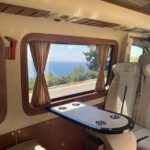
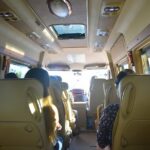
- Round-trip transport from Kusadasi Port in a non-smoking, air-conditioned coach
- Time-savings from skip-the-ticket-line planning (entrance fees are still separate)
In This Review
- Round-Trip from Kusadasi Port: the real value is time
- Ephesus in about two hours: what you’ll see and how to use your time
- Marble streets and the sense of scale
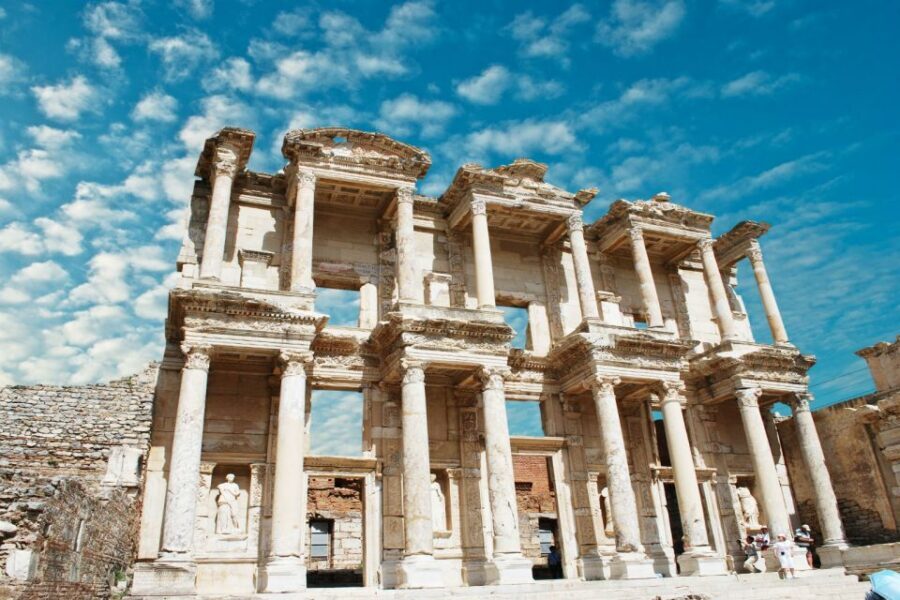
- Library of Celsus: the photo moment with real story
- Grand Theater (around 24,000 seats)
- Baths, temples, civic spaces
- Terrace Houses (optional viewpoint through the slopes)
- Temple of Artemis: short stop, big context
- House of the Virgin Mary: quiet spirituality on a hillside
- Basilica of St. John: Justinian’s grand plan, now in ruins
- Ephesus day + shopping stops: handle them like a pro
- Comfort and timing details that actually matter
- Price and value: what you’re really paying for at $22
- Who this tour is best for (and who should reconsider)
- Should you book the Kusadasi Private Ephesus Guided Tour?
- FAQ
- What’s included in the tour from Kusadasi?
- How long is the tour?
- What are the main stops on the itinerary?
- Are entrance fees and lunch included?
- Where do pickup and drop-off happen?
- What should I bring or avoid?
Round-Trip from Kusadasi Port: the real value is time
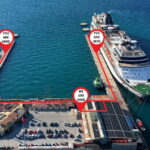
This is one of those tours that makes sense when your ship schedule is tight. You get pickup from Kusadasi Port (Feribot İskelesi), or from a hotel in Kusadasi, then you’re driven to the Ephesus area (typically via Ephesus–Selçuk). The full day runs about 6.5 hours, with the biggest sightseeing block reserved for Ephesus itself.
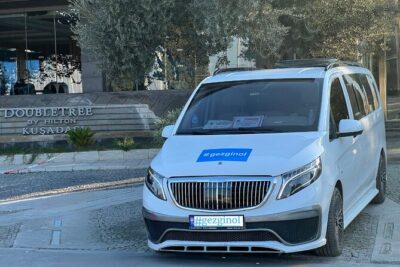
You’ll also appreciate the “don’t waste time” setup: the tour includes a licensed, professional guide, parking, and transportation in a fully air-conditioned, non-smoking coach. There’s also skip-the-ticket-line included, which can matter on busy days when crowds move slowly.
One practical note: some tours of this kind can run late if pickup coordination slips. I’d plan to be flexible and keep your ship return buffer in mind, especially if you’re traveling during peak cruise days.
Ephesus in about two hours: what you’ll see and how to use your time
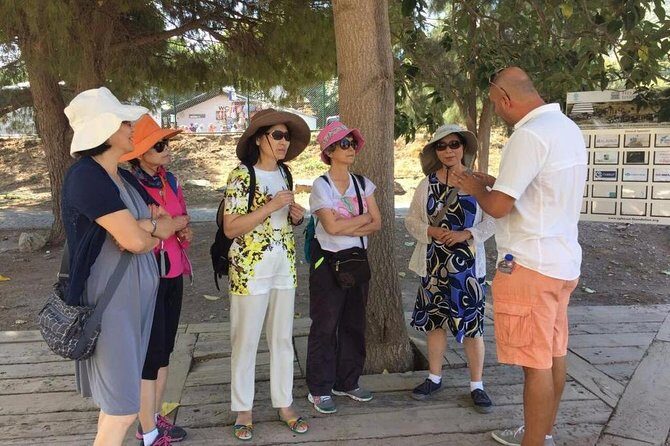
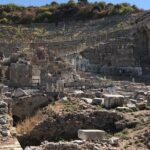
Ephesus is famous for being an open-air museum. The route on this tour is designed so you don’t just “see ruins”—you learn what you’re looking at while you walk. In the main Ephesus stop, you’re in the site for about 2 hours guided, which is tight but doable if you move with purpose.
Here are the kinds of highlights you should expect to hit, and why each one matters:
Other Kusadasi-departing tours we've reviewed in Kusadasi
Marble streets and the sense of scale
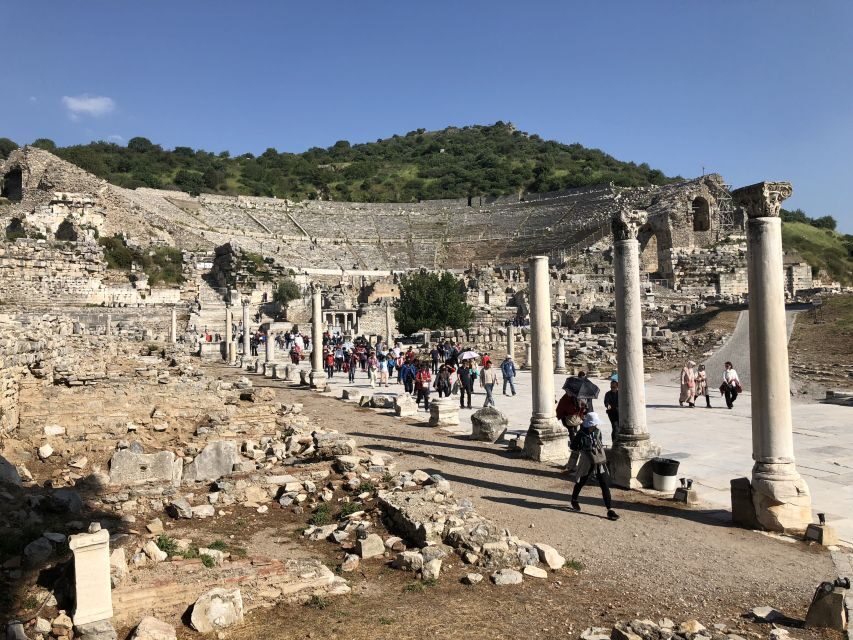
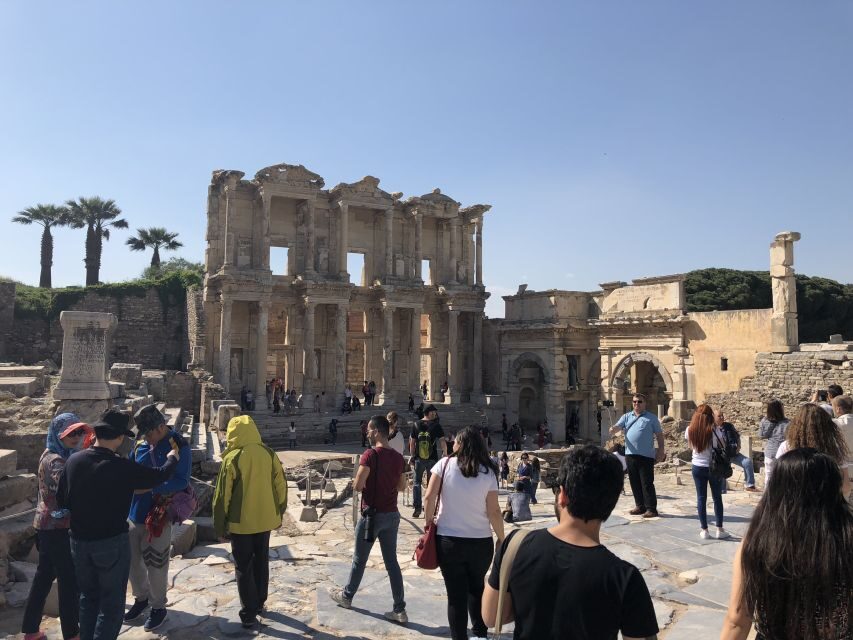
You’ll walk past streets that have held footsteps for around 2,000 years. That’s the point of Ephesus: it isn’t a single monument. It’s a whole urban system—commerce, worship, entertainment—mapped in stone. Your guide should help you connect what you see (street layout, public spaces, grand facades) to how the city functioned day to day.
Library of Celsus: the photo moment with real story
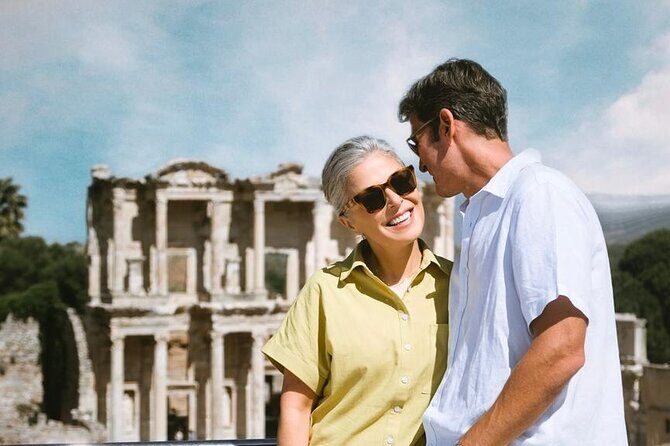
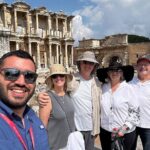
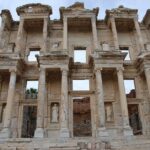
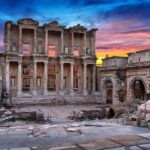
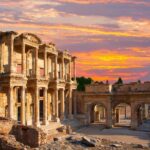
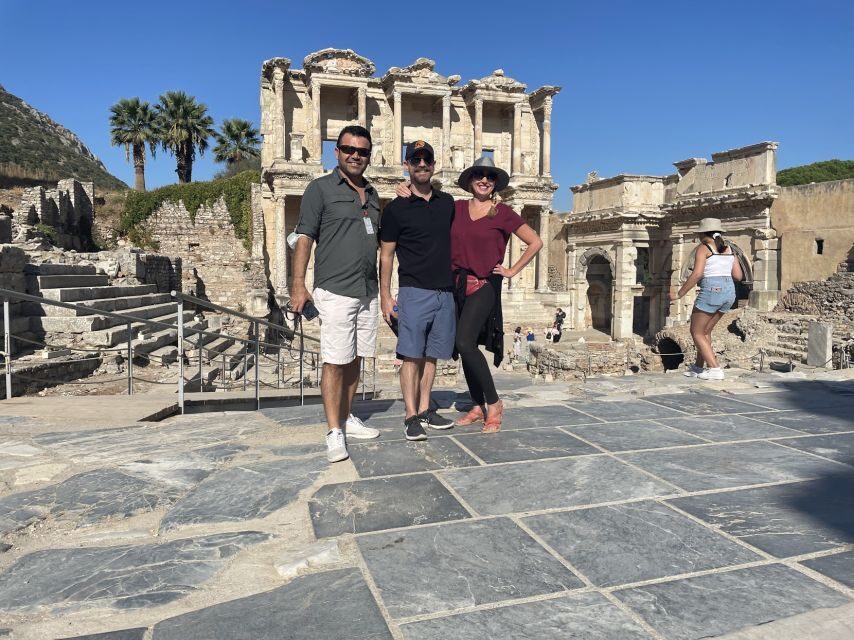
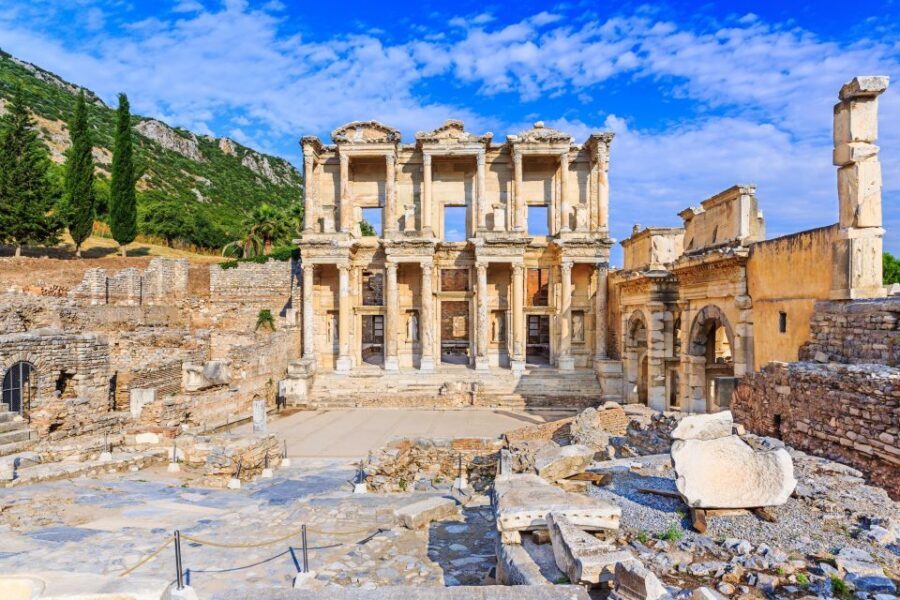
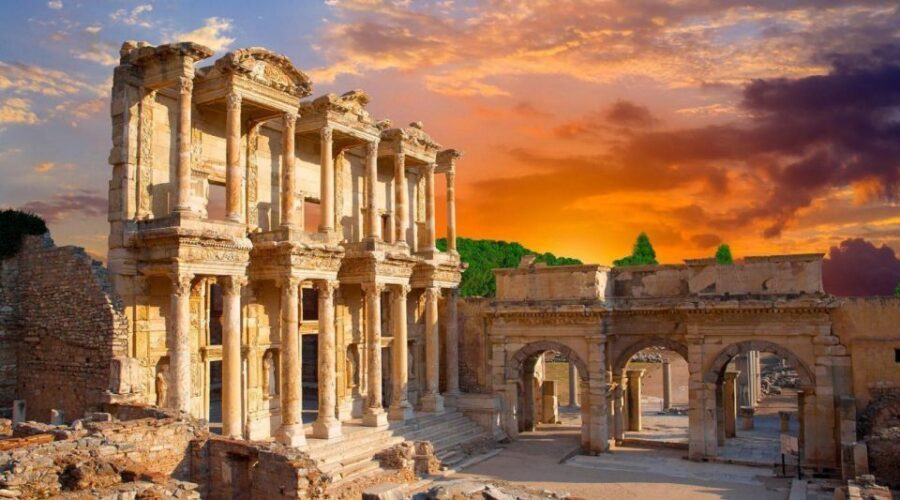
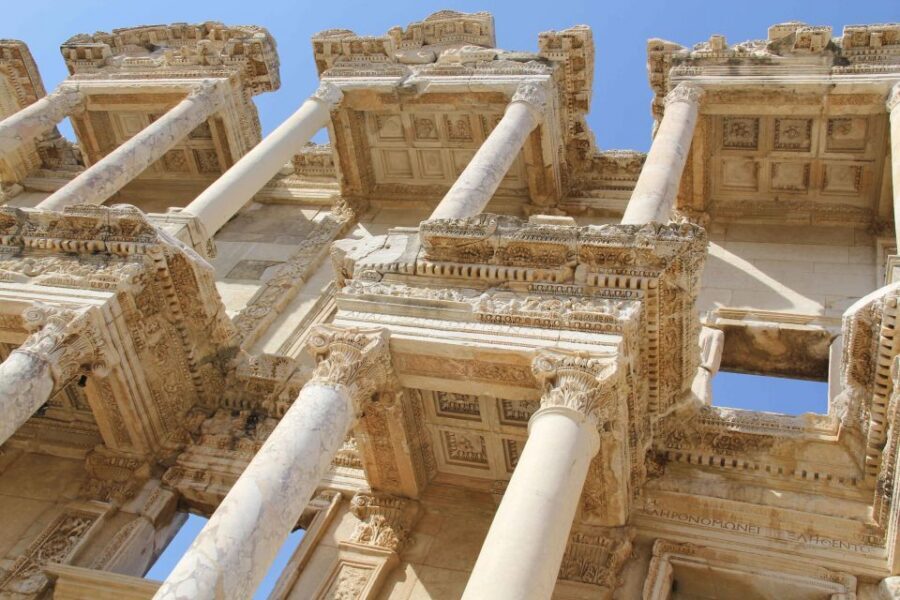
The Library of Celsus is often the first stop people remember. It’s not just a pretty facade—this structure signals Ephesus as a center of learning and civic pride. If you take only one slow minute here, do it. Look for details on the frontage and imagine what it meant when books and scholarship were part of public life.
Grand Theater (around 24,000 seats)
The Great Theater with a capacity of about 24,000 gives you instant perspective. Even if your time is limited, glance at the seating curve and the stage-front position. When your guide explains what performances and public gatherings looked like, the space stops being “old rocks” and becomes a working venue.
Baths, temples, civic spaces
Depending on the exact walk route your guide follows, you should pass major landmarks such as the Roman Baths, Hadrian’s Temple, the Fountains of Trajan, and other civic or ceremonial points. These add variety so you’re not only staring at one major monument.
Other private Ephesus tours we've reviewed in Kusadasi

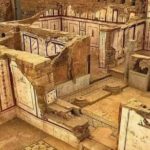
Terrace Houses (optional viewpoint through the slopes)
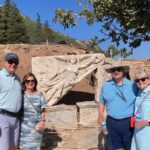
The Terrace Houses sit on the slopes of Bulbul Mountain, opposite the Hadrian Temple area. They were for wealthy residents, and the presence of frescoes and mosaics signals that this wasn’t just a city of crowds—it also had private, high-status life. On this tour, you’ll see the Terrace Houses area as part of the Ephesus experience, though your time inside and the extent of what’s viewable can vary.
Tip for getting more out of two hours: If your guide pauses at a landmark while people do photos, use that moment to ask one question. Anything from who used the space to what purpose a structure served will make the next stop click faster.
Also, note the rules: professional cameras aren’t allowed. A normal camera is fine, and you’ll want one for Celsus and the theater views. Bring one that you can carry comfortably during a walking-heavy portion of the day.
Temple of Artemis: short stop, big context
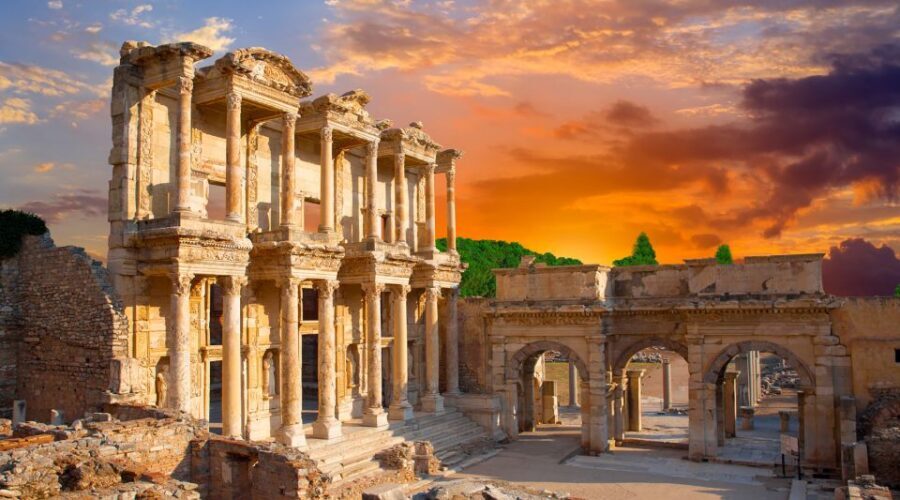
The Temple of Artemis is scheduled as a 30-minute stop, with a photo stop plus a brief guided moment. It’s a “quick hit,” but it matters because Artemis is tied to the 7 Wonders of the Ancient World.
Even if the remains you’ll see are less dramatic than you’d expect, the value is in the explanation. You’ll understand why Artemis wasn’t only a religious figure but also part of how cities branded their power and identity.
If you’re the kind of person who wants time for photos, this is the stop where you should move straight to your preferred angle. Don’t wait until the end of the 30 minutes.
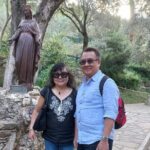
House of the Virgin Mary: quiet spirituality on a hillside
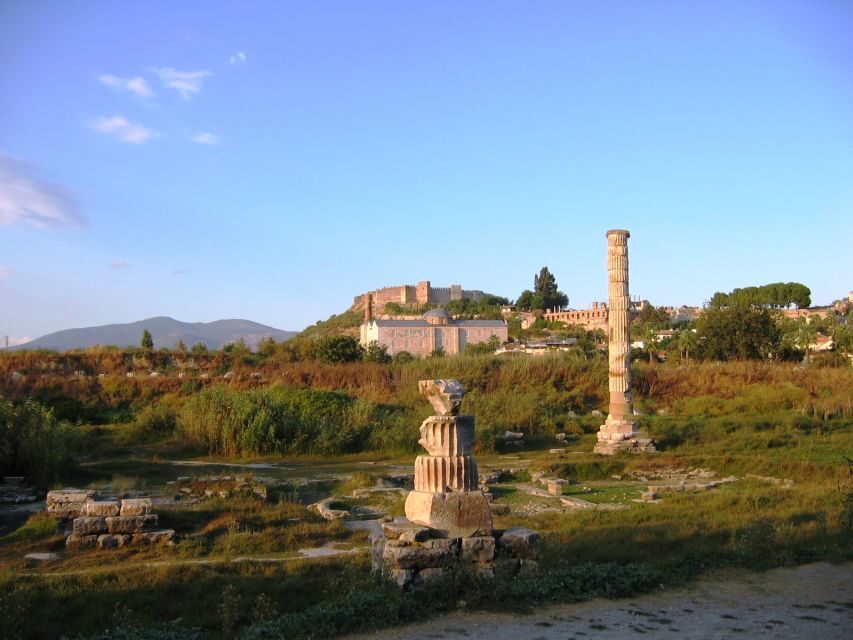
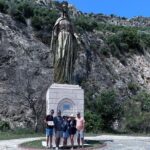
After Ephesus, you continue to the House of the Virgin Mary in the Solmissos Mountains area. This site is described as the final resting place of the Virgin Mary, with recognition attributed to the Vatican in the information provided.
This part of the day changes the atmosphere. Instead of crowds moving through an archaeological grid, you get a smaller, shrine-like setting where people slow down. Your guide gives context about why this location became meaningful for Christians and what was found when the house was first discovered, including mention of a small shrine dedicated to St. Mary.
What to expect in practice: One hour is enough time to see the main areas and absorb the mood, but not enough time to wander endlessly. Plan to be respectful, keep your voice down, and save your questions for your guide when there’s space.
Basilica of St. John: Justinian’s grand plan, now in ruins
This tour also includes the Basilica of St. John, built by Emperor Justinian over the tomb of St. John the Apostle. The information provided notes that the basilica is now in ruins and that it once rivaled St. Sophia in size.
Ruins can feel like “leftovers” if nobody explains them. Here, your guide’s job is to give you the original scale and purpose. Look for what remains and imagine the size of the structure before time took its portion.
Even if this stop feels less “Instagram” than Celsus, it’s one of the most interesting places on the route because it ties together early Christianity, imperial patronage, and the way sacred sites evolve over centuries.
Ephesus day + shopping stops: handle them like a pro
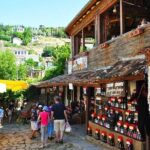
Your schedule includes stops that can feel commercial: places such as leather outlets, a carpet factory, and shops like pottery or a Turkish rug school. In some cases, they may be presented during the day in a way that feels built-in.
Here’s the balanced way to handle it:
- If you’re curious about crafts, these can add variety between archaeological blocks. Seeing how rugs or ceramics are made gives you a different kind of Turkey story than stone ruins.
- If you’re not interested, you should be upfront about skipping them if time is tight, especially if you’re boarding a cruise soon.
In the feedback I’ve seen about this kind of tour style, guides often try to respect time and make sure people still get back smoothly. Names that stood out for strong explanations and time awareness included Ozy, Ali, Sevin, and Melis. The consistent theme: guides aim to keep the day moving and not pressure purchases.
One more practical heads-up: for entrance fees, the tour guide may only accept cash for certain places. If you’re planning to pay anything on-site, bring small bills in the right currency rather than assuming card payment will work everywhere.
Also, remember: drinks and lunch are not included. Bring water habits that fit your day (especially in hot months), and plan for a break if you’re hungry.
Comfort and timing details that actually matter
You’ll spend a lot of time outdoors and walking. Bring:
- Comfortable shoes (seriously—Ephesus ground can be uneven)
- Sunglasses
- Sun hat
The coach is air-conditioned, and that helps during the drive. Still, there can be differences in how cold it feels. I’ve seen notes that the air conditioning may not always be powerful enough for everyone. If you’re heat sensitive, wear light layers you can adjust.
This is also a private group available tour, which is useful if you want a quieter day, fewer distractions, or a guide who can adjust the pace to your questions. Private doesn’t always mean zero walking, but it can mean better flow.
Price and value: what you’re really paying for at $22
At about $22 per person for a roughly 6.5-hour day, the value comes from the package, not any single monument.
You’re paying for:
- Licensed professional guide
- Round-trip transportation from Kusadasi Port (or hotel)
- Parking
- Skip-the-ticket-line
- A route that includes both major archaeological landmarks and Christian sites
What’s not included:
- Entrance fees
- Lunch
- Drinks
When you weigh the excluded items, the “real cost” becomes entrance fees plus whatever meal you choose. But the tour still earns its keep if you want a structured day and don’t want to coordinate transport and ticket lines yourself.
This is also a good option if you’re on a cruise stop. You get a full plan that’s designed to fit a port day, instead of turning Ephesus into a multi-day project.
Who this tour is best for (and who should reconsider)
This tour works best if you:
- Want a guided Ephesus visit with clear explanations in limited time
- Like mixing archaeology with religious history in one day
- Appreciate a structured plan more than DIY wandering
You might want to reconsider if you:
- Dislike shopping stops and want a strictly “ruins-only” day (you should request to skip where possible)
- Have mobility concerns and need a fully smooth, flat route (even though it lists wheelchair accessibility, it also notes it’s not suitable for people with mobility impairments)
- Need long stops at each monument. With around 2 hours in Ephesus, the route is focused, not slow.
Should you book the Kusadasi Private Ephesus Guided Tour?
If your goal is to see the headline sites—Library of Celsus, Great Theater, Temple of Artemis, House of the Virgin Mary, and the Basilica of St. John—this is an efficient, good-value plan. It’s the kind of tour that saves you from “arrive, get lost, miss context, run out of time.”
Book it if you’re comfortable with guided walking and you’re okay with a few optional commercial stops if they help fill time. Before you go, message the operator if you want minimal shopping and ask whether they can accommodate that pace. Bring cash for any entrance fees, pack water habits, and wear shoes you trust on uneven ground.
If you want maximum control over every minute, consider whether a longer Ephesus stay might fit you better. But for a port-day schedule and a mix of ancient + sacred sites, this route is a solid choice.
FAQ
What’s included in the tour from Kusadasi?
You get a licensed professional English-speaking guide, transportation in an air-conditioned, non-smoking coach, parking, and pickup from Kusadasi Port or from any hotel. The tour also includes skip-the-ticket line.
How long is the tour?
The total duration is about 6.5 hours.
What are the main stops on the itinerary?
You’ll visit Ephesus (guided walk), have a stop for the Temple of Artemis (photo stop and guided tour), then go to the House of the Virgin Mary (guided visit). The day also includes the Basilica of St. John.
Are entrance fees and lunch included?
No. Entrance fees and lunch are not included. Drinks are also not included.
Where do pickup and drop-off happen?
Pickup options include Kusadasi Port (Feribot İskelesi), and pickup is also available from any hotel. Drop-off is back at Feribot İskelesi or Kusadasi Port.
What should I bring or avoid?
Bring comfortable shoes, sunglasses, and a sun hat. Professional cameras are not allowed, so bring a normal camera if you plan to take photos.