REVIEW · SELCUK
Private Pamukkale and Ephesus Tours
Book on Viator →Operated by Unique Ephesus Tours · Bookable on Viator
Two icons of western Turkey, packed into two days. This private combo tour pairs Ephesus with Pamukkale, and it saves you from the hassle of routing yourself by public transport. I like how the plan stays tight while still giving you real time in the big sights.
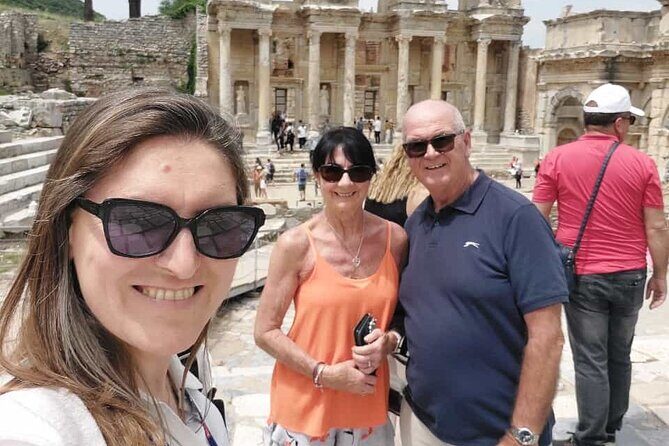
The two things I like most are simple: lunch is included, and you get a private, professional licensed guide who can explain what you’re looking at as you go. One 5-star highlight that stuck out for me was a guide named Lori, praised for being both knowledgeable and personable, which is exactly the kind of guide you want when sites are this dense.
One possible drawback to plan for: entrance fees and drinks are not included. That means your final day-of total can creep up, and gratuities for the guide and driver are also extra.
What makes this tour work (and where to watch costs)
- Private guide + driver means fewer waiting points and less guesswork.
- Pickup is offered, which matters a lot in Selçuk if you don’t want to wrangle taxis.
- Lunch is included, so you keep momentum instead of hunting for food mid-site.
- You hit both Ephesus and Pamukkale/Hierapolis, two top-tier destinations that are usually hard to pair well.
- Mobile ticket and confirmation at booking help you arrive prepared.
- Admissions aren’t included, so budget for site entry and plan for any lines.
In This Review
- Why Selçuk Is the Smart Base for Ephesus and Pamukkale
- Day 1 in Ephesus: Big Ruins, Clear Explanations, Less Stress
- Ancient City of Ephesus (about 2 hours)
- Meryemana (The Virgin Mary’s House) (about 1 hour)
- The Temple of Artemis stop (about 30 minutes, free admission noted)
- Sirince village taste (about 1 minute, free admission noted)
- Kuşadası quick look (about 20 minutes, free admission noted)
- Selçuk area context: Ayasoluk Hill and the layers of settlement
- Day 2 at Pamukkale: Travertines, Hierapolis, and the Sacred Pool
- Pamukkale Natural Park (about 2 hours)
- Hierapolis Arkeoloji Muzesi (about 30 minutes)
- Pamukkale Thermal Pools (about 30 minutes, free admission noted)
- After the tour: back to your hotel
- Lunch Included: How It Helps You Travel Better
- Price and Extra Costs: What You Get for $150 per Group
- The Private Guide Experience: When Lori’s Style Shows Up
- Who This Tour Fits Best (and Who Might Want Something Different)
- Should You Book This Private Pamukkale and Ephesus Tour?
- FAQ
- How much does the Private Pamukkale and Ephesus Tours cost?
- Where is this tour based?
- How long is the tour?
- Is pickup included?
- Is lunch included?
- Are entrance fees included for the sights?
- Do you get a mobile ticket?
- Is this tour private?
- What is the cancellation policy?
- Is gratuity included?
Why Selçuk Is the Smart Base for Ephesus and Pamukkale
Selçuk sits in a sweet spot for western Turkey. It’s close enough to Ephesus that you’re not spending half your day commuting, and it’s also well-positioned for the Pamukkale drive on day two. If you’ve ever tried to do these areas with buses and transfers, you know the energy tax adds up fast.
This tour’s main value is control. You’re in a comfortable, air-conditioned vehicle, and you’re not trying to stitch together connections while everyone else is racing toward the gates. The private format also matters: up to 15 people is the group limit, but only your group participates, so you’re not stuck with strangers steering the pace.
The timing is what you should care about. Ephesus alone can swallow hours, and Pamukkale/Hierapolis can do the same. Doing them together in two days is a lot, but it’s also efficient—especially when someone else is keeping the day from turning into a scavenger hunt.
Day 1 in Ephesus: Big Ruins, Clear Explanations, Less Stress
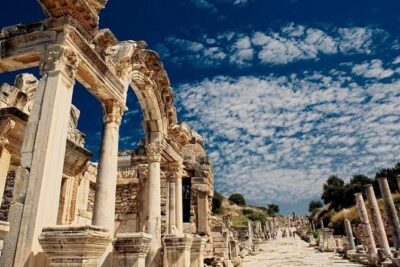
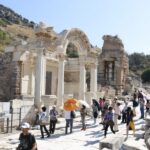
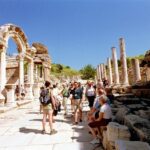
Day one is built around Ephesus and the surrounding area. You’ll spend about two hours at the Ancient City of Ephesus, which is a realistic window if you want to see the headline sights without turning it into a nonstop sprint. Admission fees for Ephesus are not included, but the time you get is what you’re really buying here.
Other Pamukkale combo tours we've reviewed in Selcuk

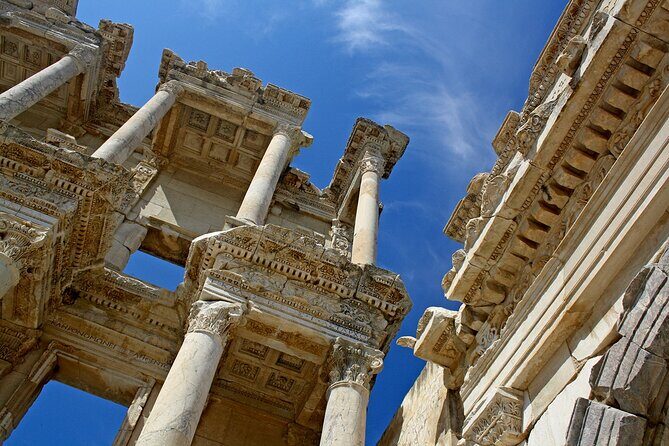
Ancient City of Ephesus (about 2 hours)
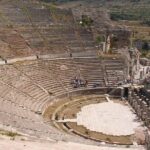
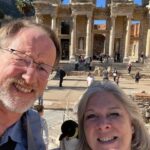
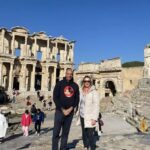
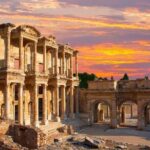
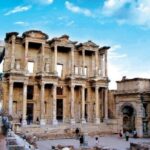
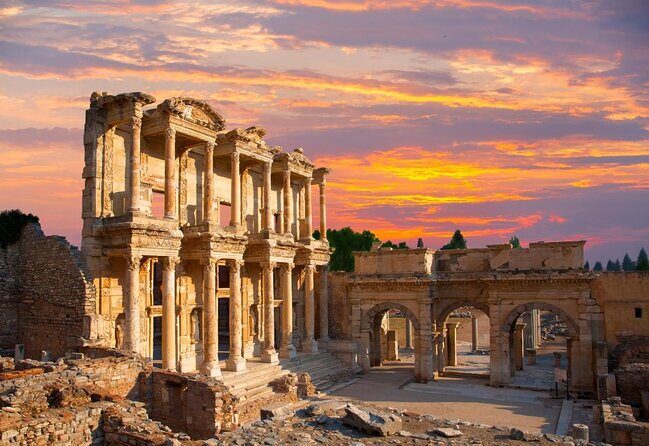
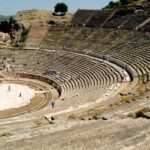
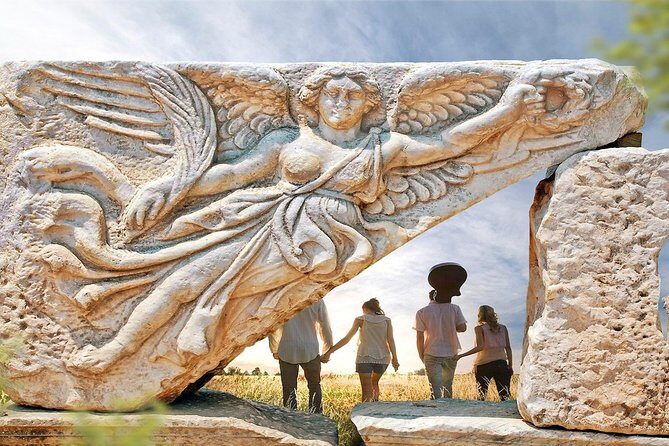
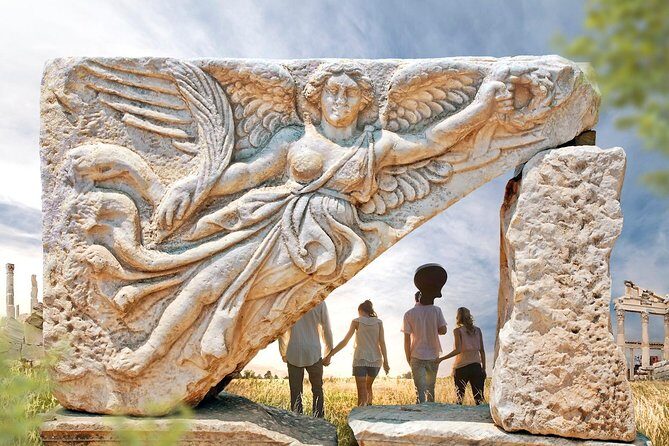
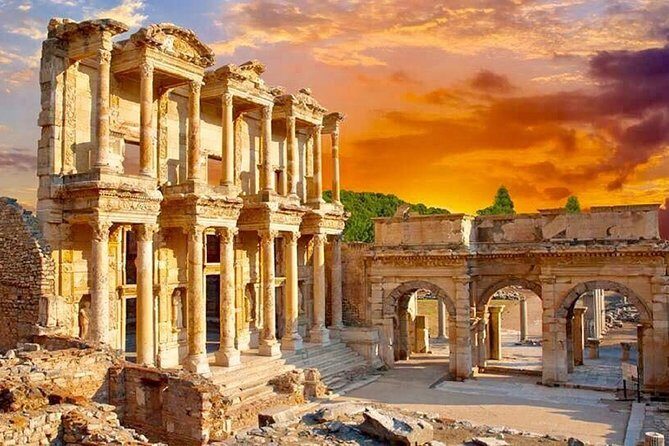
Ephesus is one of the most important ancient sites in the Mediterranean world, and your guide can help you connect the dots fast—what you’re seeing, how the city functioned, and why the scale still feels unreal. You’ll also see major reconstructed and preserved areas, including the Temple of Artemis site area (you’ll also get a separate stop for that).
What to watch for: the size of Ephesus is the challenge. Even with a guide, you’ll want comfortable walking shoes and a water plan. The stone surfaces can be hot and uneven, and it’s easy to lose track of what you’ve already seen if you’re trying to read everything yourself.
Meryemana (The Virgin Mary’s House) (about 1 hour)
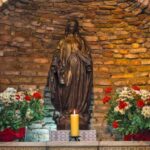
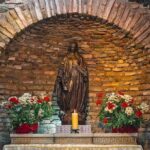
Next comes Meryemana, the House of the Virgin Mary in Ephesus. This isn’t just another ruin stop. It’s a place of worship that still feels active and cared for, shared in different ways by Christians and Muslims. You’ll visit the restored stone house and see how it functions today, including the chapel setting used by the Lazarist Fathers for mass.
What I like about this stop: it breaks the pattern. After stone corridors and columns, you get a calmer, more reflective visit—still meaningful, still historic, but less “archaeological marathon.” It’s also a good pacing tool within a big day.
Admission tickets are not listed as included here, so treat any site entry as pay-on-arrival or pay-in-advance depending on what you’re given.
The Temple of Artemis stop (about 30 minutes, free admission noted)
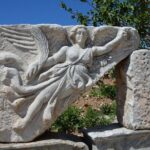
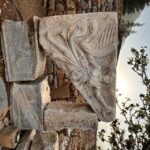
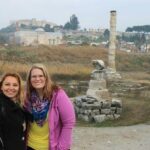
You’ll get a focused visit near the Temple of Artemis (Artemision). What makes this stop special is the location and the context. Even though little remains of the original structure on-site, you can still see a surviving tall column and scattered marble pieces tied to the foundations archaeologists recovered elsewhere.
It’s also a useful mental anchor. Once you’ve seen Ephesus, Artemis helps you understand how the region’s religious and civic life worked—this wasn’t random temple spotting; it was part of a larger system around the city.
Practical note: you’re only there about half an hour, so use that time to look at the column and the immediate area well, then move on without trying to memorize every detail.
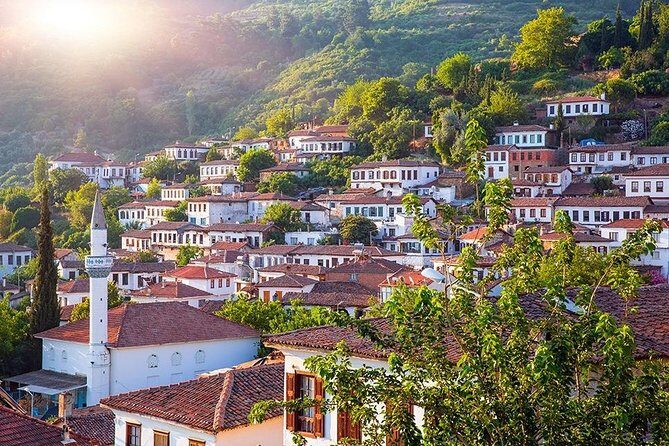
Sirince village taste (about 1 minute, free admission noted)
Sirince is the kind of place people love, and this stop is brief. With only about one minute listed, I’d think of it as a quick flavor: a chance to step into the idea of the village, maybe snap a photo, and move on.
Sirince is known for its preserved whitewashed stucco homes and the village’s connection to the Ephesus region. It’s also busy on weekends, so if your dates happen to land there, the short timing actually helps you avoid spending your whole day stuck in a crowd.
Other private Ephesus tours we've reviewed in Selcuk


Kuşadası quick look (about 20 minutes, free admission noted)
Then you’ll roll through Kuşadası, a coastal town on the Aegean Gulf. You’re not there long, but you’ll get a sense of the place—especially around the pigeon island area connected by a causeway, plus the nearby hill region.
This stop reads like a palate cleanser after inland sites: sea air, a change of pace, and a few photo angles without losing your day.
Selçuk area context: Ayasoluk Hill and the layers of settlement
The day also builds in local context around Selçuk itself, including the deep timeline of the area. Work on Ayasoluk Hill points to settlement stretching back to the early Bronze Age, with later layers from the Mycenaean, Geometric, and Archaic periods. The hill was known as Apasas during Greek colonization, and in the Byzantine era it carried the name Ayios Theologos, connected to St. John and burial tradition.
Why that matters for you: without context, Selçuk can feel like a base town with a bus stop vibe. With this framing, it feels like the region’s present day grew directly out of ancient layers—and you’ll notice that while walking around.
Day 2 at Pamukkale: Travertines, Hierapolis, and the Sacred Pool
Day two shifts from ancient streets to mineral-water wonders. You’ll start with Pamukkale Natural Park for about two hours, and then add time for Hierapolis Arkeoloji Muzesi and the Pamukkale Thermal Pools area.
Admission fees are not included for the Natural Park and the museum as listed, though the thermal pools stop notes free admission.
Pamukkale Natural Park (about 2 hours)
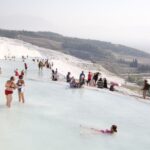
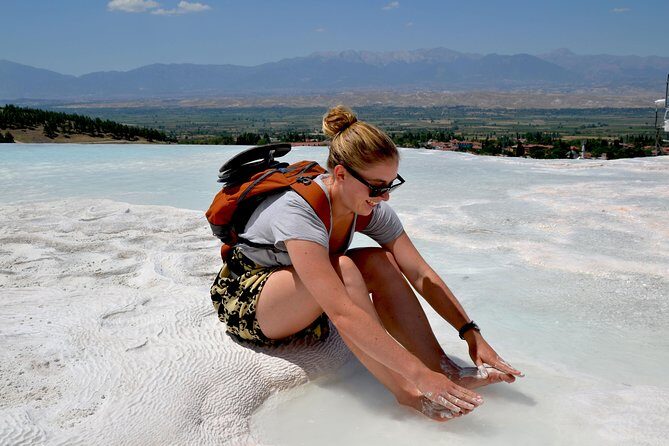
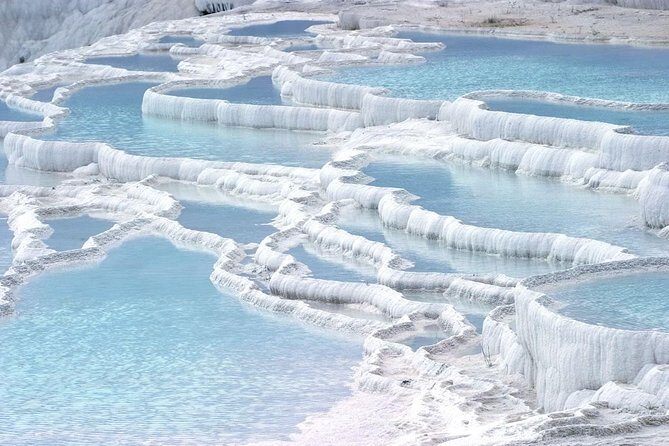
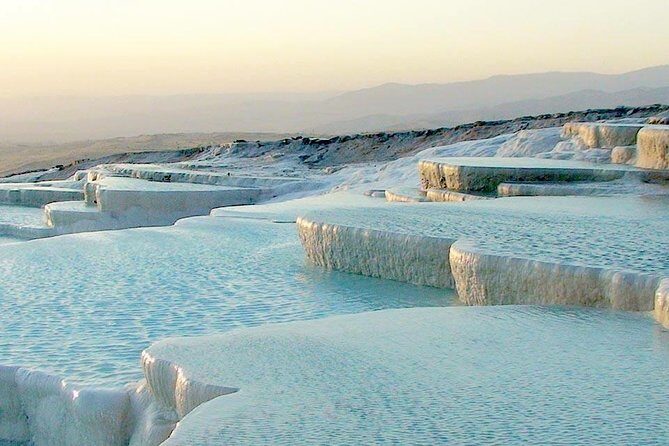
Pamukkale is famous for the white travertines formed by mineral-rich thermal waters. The stepped terraces look like cotton piles, which is why it’s called Cotton Castle in Turkish.
What I find most impressive is how the water chemistry shapes the visual. The sites are basically nature sculpting with time: calcium deposits build terraces, and the stepped look makes the area feel like it’s been carved rather than merely flooded.
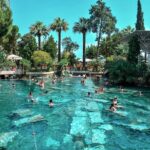
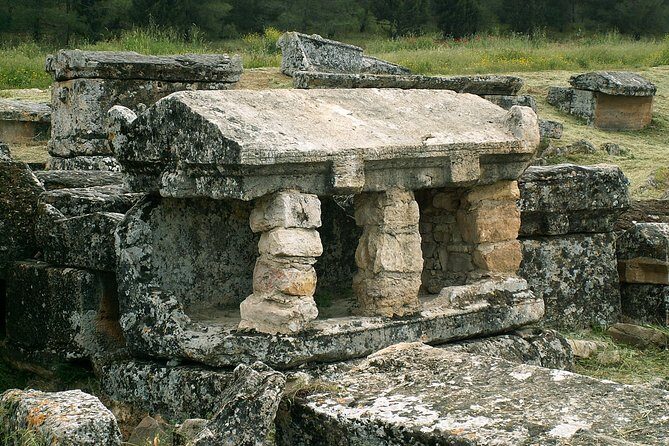
During this part of the day, you’ll also visit Hierapolis and key highlights like the Sacred Pool. Hierapolis is tied in closely with the hot springs, and the necropolis is a major detail: the tour notes the biggest necropolis with 1200 gravestones in Anatolia. That’s the kind of fact that helps you understand why the ruins feel so densely “human” compared with other ancient sites.
What to watch for: the ground can be slippery where water has flowed, and you’ll be walking along and around terraces. If you’re sensitive to cold or strong sun, plan accordingly because the thermal setting is outdoors and exposed.
Hierapolis Arkeoloji Muzesi (about 30 minutes)
Next is Hierapolis Archaeology Museum, listed for about 30 minutes. The museum is a smart add-on because it gives your eyes something to match up with what you’ve just seen outdoors.
The tour also notes a story connection: the UNESCO-listed hot springs are said to be among Cleopatra’s treasured retreats. Even if you treat legends as legends, that kind of framing helps you feel how long people have valued this place.
Pamukkale Thermal Pools (about 30 minutes, free admission noted)
Finally, you’ll revisit the thermal pools area for about 30 minutes. This is where you get that classic view: bright white mineral deposits paired with turquoise water tones.
The tour describes how the travertine terraces form when hot mineral water calcifies after contact with carbon dioxide. If you’re the type who likes to know why a place looks the way it looks, this stop gives you an explanation that makes the scenery feel less random.
Small practical tip: this part of the day is usually the one where people slow down to take in colors and textures. I’d treat it as your photo and pause time, not the time to rush.
After the tour: back to your hotel
You’ll return back to your hotel after the Pamukkale block. That matters more than it sounds. When you’re pairing far-flung sights, being done and not scrambling for transport is part of the real comfort value of a private tour.
Lunch Included: How It Helps You Travel Better
One standout from the tour details is lunch included. You’re not responsible for coordinating a meal between sites, and that reduces the downtime that often kills a two-day plan.
The practical win: you can keep your energy for walking and waiting outside major sights. If you’ve ever tried to eat on your own during busy hours, you’ll appreciate the structure.
What’s not included: drinks are not listed as included unless specifically mentioned (they are not in the provided info). So if you like bottled water or plan to buy a drink, factor that into your budget.
Price and Extra Costs: What You Get for $150 per Group
The price is $150.00 per group, up to 15 people. That’s a big difference from the usual per-person pricing you’ll see on regional tours. If you’re traveling with family or friends, the math often turns out better than independent transport plus paid guides.
Here’s the tradeoff: this is a private format, so you’re paying for professional licensed guide + private driver + transportation. Entrance fees and gratuities are separate, and drinks are not included.
So, how should you budget?
- Expect entrance fees for the sights where they’re listed as not included.
- Plan gratuities for your guide and driver, since they’re not included.
- Bring a little extra for drinks if you want them with lunch or between stops.
If you’re a solo traveler, $150 per group might still feel like a premium compared to joining public group tours. But the time saved and the private pacing can be worth it—especially if your days are limited and you want to avoid commuting stress.
The Private Guide Experience: When Lori’s Style Shows Up
This tour includes a private professional licensed guide and a private professional driver, with a comfortable air-conditioned vehicle. Pickup is offered, and the tour uses a mobile ticket, plus you receive confirmation at booking.
One review highlight mentioned a guide named Lori, praised for being amazing, knowledgeable, and personable—exactly the kind of guide who can make ancient places feel legible instead of just dramatic.
How to judge the guide fit before you book: if you like clear explanations, stories tied to the places you’re standing in, and someone managing the flow so you don’t miss important parts, this format is built for you. If you prefer to wander at your own tempo without any structure, you may find a scheduled private day a bit too directed.
Who This Tour Fits Best (and Who Might Want Something Different)
This tour is well-suited for:
- First-timers to western Turkey who want the top sights in a tight window
- Groups who can share the $150 per group cost
- People who prefer pickup + private transport over public transit juggling
- Travelers interested in both archaeology and nature (Ephesus and Pamukkale do both)
It may be less ideal if:
- You want lots of free time to explore beyond guided stops
- You dislike paying separate entrance fees (since they aren’t included for multiple stops)
- You’re trying to do this on a tight budget where any added charges feel hard to absorb
Should You Book This Private Pamukkale and Ephesus Tour?
If your priorities are convenience, efficient time use, and seeing two heavyweight destinations without getting lost in logistics, I think this tour makes sense. The combination of private guide, air-conditioned transport, pickup offered, and lunch included is a strong value mix for a two-day plan.
I’d say book it if you want someone to help you connect what you see—Ephesus’s scale, Meryemana’s meaning, Artemis’s historical context, and then Pamukkale’s mineral-water magic tied to Hierapolis.
Hold off or plan carefully if entrance fees, gratuities, and drinks add up in your budget. Also, if you’re the type who needs long unstructured wandering time, you may feel the day moves fast, because the tour is designed to cover a lot across both days.
FAQ
How much does the Private Pamukkale and Ephesus Tours cost?
It costs $150.00 per group, up to 15 people.
Where is this tour based?
The tour location is Selçuk, Turkey.
How long is the tour?
It runs for 2 days (approximately).
Is pickup included?
Pickup is offered, and the tour includes transportation in a comfortable air-conditioned vehicle.
Is lunch included?
Yes. Lunch is included (2 lunches).
Are entrance fees included for the sights?
No. Entrance fees for the sights listed in the experience are not included.
Do you get a mobile ticket?
Yes. A mobile ticket is provided.
Is this tour private?
Yes. It is a private tour/activity, and only your group participates.
What is the cancellation policy?
Free cancellation is available. You can cancel up to 24 hours in advance for a full refund.
Is gratuity included?
No. Gratuities for your guide and driver are not included.