REVIEW · KUSADASI
Ephesus, Priene, Miletos and Didyma Tour
Book on GetYourGuide →Operated by OKEANOS TRAVEL · Bookable on GetYourGuide
Four ancient cities in one efficient day. You get a four-city route that goes way beyond Ephesus, plus all entrance fees are built into the price. What I like most is the way the tour keeps the story moving—Roman streets, Hellenistic planning, pre-Socratic ideas, and oracle power—without turning it into a race through ruins.
The other big win for me is the guide experience. In recent tours, guides like Volkan and Olkan (Guife) earned praise for being helpful, engaging, and flexible with questions and pacing, while drivers like Mohammed kept the ride comfortable. One consideration: this is an 8-hour day of walking on ancient stone, so wear real footwear and expect uneven ground and some stairs; it is also not suitable for wheelchair users.
In This Review
- Key highlights that make this tour worth your time
- How the four-city plan actually plays out from Kusadasi
- Ephesus: Marble Street, Celsus, the Theatre, and that odd brothel clue
- Priene’s hillside ruins and the Temple of Athena Polias
- Miletos: philosopher roots, the Agora, and Faustina’s baths
- Didyma: Apollo’s temple, oracle myths, and the Sacred Way
- Price and value: $210 for four sites, one guide, and included entry
- Comfort, walking reality, and who this tour fits best
- Should you book the Ephesus, Priene, Miletos & Didyma tour?
- FAQ
- How long is the Ephesus, Priene, Miletos & Didyma tour?
- Where do I get picked up and where do I drop off?
- Are entrance fees included for all four sites?
- What languages are available for the live tour guide?
- What should I bring?
- Is the tour wheelchair accessible?
- Can I cancel for a refund?
Key highlights that make this tour worth your time
- Four-city focus in one day: Ephesus plus Priene, Miletos, and Didyma, so you get more than the headline ruin.
- Entrance fees handled for you: no juggling tickets for multiple sites—entry is included for the listed locations.
- Skip-the-line access: you spend less time waiting and more time on the ground.
- Ephesus details most tours miss: from the Great Theatre to the carved footprint-and-heart brothel clue.
- Priene’s view and planning genius: the grid layout and Temple of Athena Polias set the scene fast.
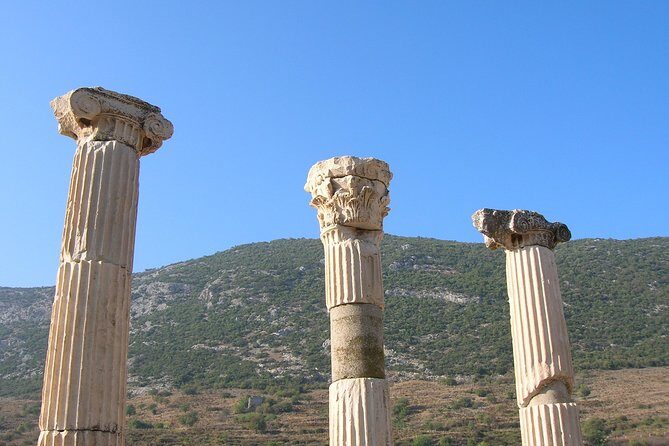
- Didyma’s oracle scale: three towering Apollo columns plus the Sacred Way for prophecy vibes.
How the four-city plan actually plays out from Kusadasi
This tour runs as a full-day circuit starting from Kusadasi port, with pick-up and drop-off arranged for your convenience. If you are staying in Aydin or Izmir, pick-up is also available from hotels there, then you return the same day.
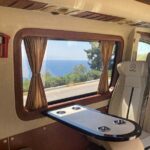
You’ll be in a comfortable, air-conditioned vehicle with a professional driver, which matters on this kind of itinerary. The real payoff is that the pacing is set up so you can see four major sites without trying to coordinate transport on your own.
Because it’s a private-group format, you should feel less rushed than you would on a big bus tour. The experience is still an 8-hour day, so plan for walking breaks when you can and keep water and sunscreen habits simple—bring what you need for sun.
Other Priene, Miletus, Didyma tours we've reviewed in Kusadasi
Ephesus: Marble Street, Celsus, the Theatre, and that odd brothel clue
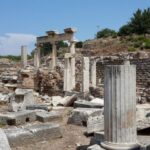
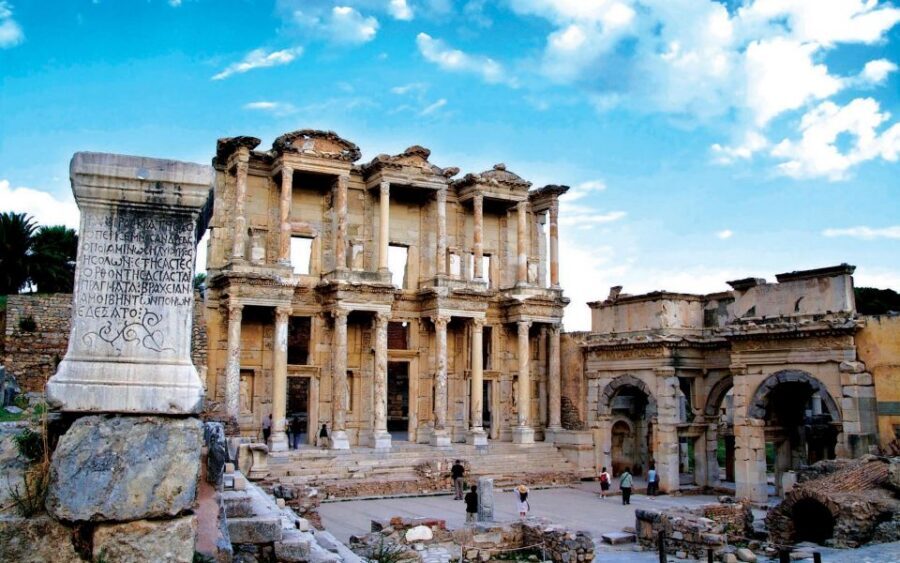
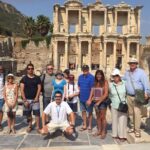
Ephesus is the headline for good reason: it’s an open-air museum where Roman city life still feels visible. You start with the famous Marble Street, and you’ll hear stories tied to major figures—Cleopatra and St. Paul are part of the tour’s narrative.
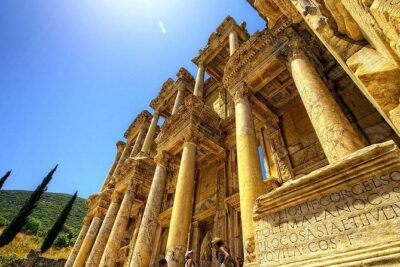
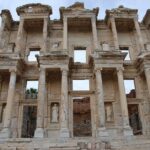
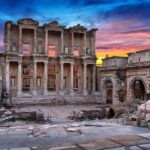
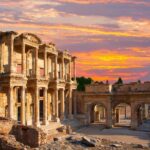
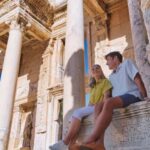
Yes, the Library of Celsus is the picture most people come for, but the guide-led visit usually goes deeper than postcard views. The Great Theatre is a key stop, with seating for around 24,000 people, and it’s explained not just as a place for performances but as a space for public life.
Then there’s the detail that makes the whole area feel human. You’ll be shown a carved footprint and heart pointing toward the world’s oldest advertisement, linked to an ancient brothel. It’s the kind of street-level fact that turns “ruins” into everyday reality.
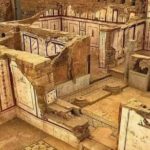
If you want to add more visual wow, ask about the optional premium upgrade to the Terrace Houses. These are described as lavish elite homes with striking mosaics and frescoes, and they can be a great choice if you like seeing how wealth lived in Roman Ephesus.
Priene’s hillside ruins and the Temple of Athena Polias
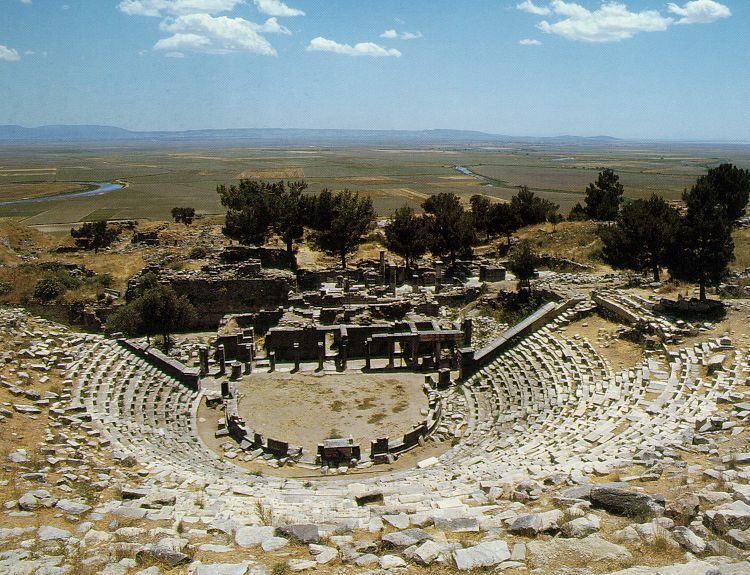
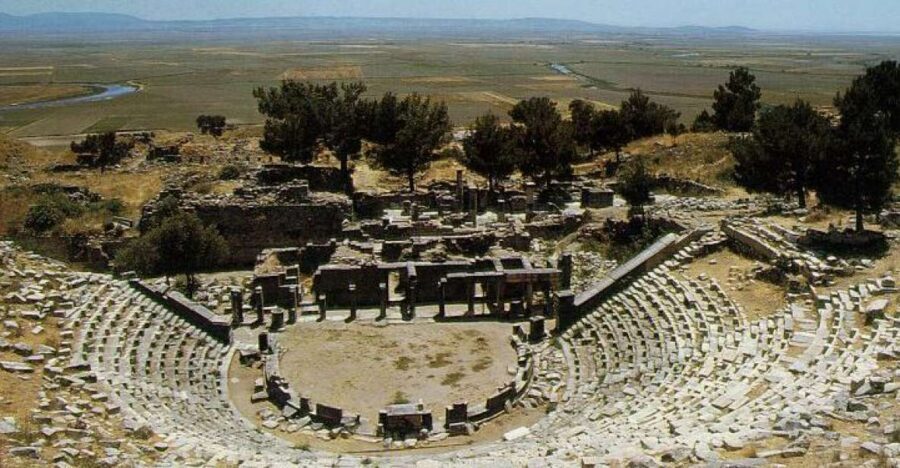
Priene is where the tour shifts from Roman spectacle to Greek city planning. The ruins sit high on a hillside, and the big idea here is the city’s grid plan—so orderly that it’s often discussed as an influence on later planning styles.
Your time in Priene centers on classic Ionian architecture, especially the Temple of Athena Polias. This is the kind of stop where the guide’s explanation helps you notice proportions and layout, not just columns and walls.
And then you get the view. The theatre area offers panoramas over the Meander River delta, which helps explain why people built and lived here. Even if you are not a big ruins person, the combination of planning details and that broad outlook gives you a solid sense of geography and strategy.
The tour also brings in mythological storytelling at Priene and later stops, which helps connect the physical remains to the ancient mindset. If you like your history with a narrative thread, this section tends to land well.
Miletos: philosopher roots, the Agora, and Faustina’s baths
Miletos is the thinking person’s stop. You’ll learn how this port city connects to early philosophy, including pre-Socratic figures like Thales and Anaximander. It’s a neat change from the usual “colossal empire” framing and gives you a different lens on the Aegean world.
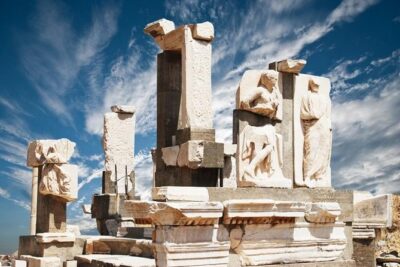
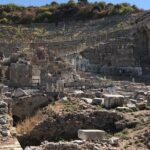
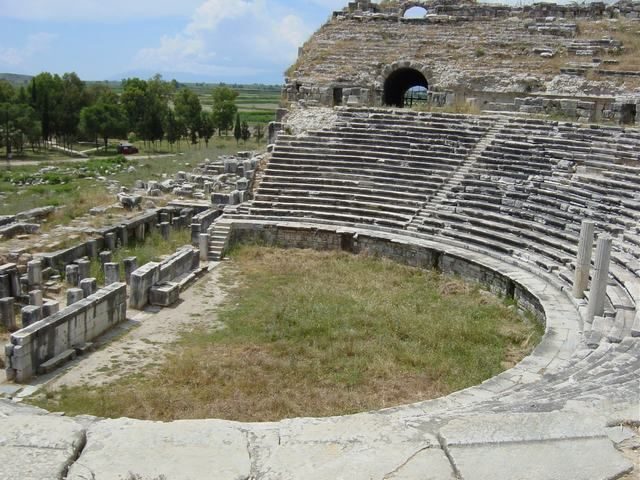
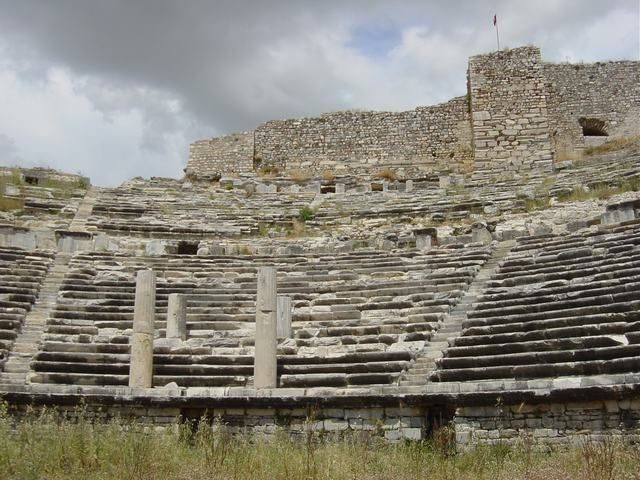
The theatre here is huge by any standard, described as able to hold around 15,000 people. Standing in that space helps you grasp how important public gatherings were—ideas, speeches, and civic life weren’t small-town affairs.
Another standout is the Baths of Faustina. These baths are noted as being built by the wife of Emperor Marcus Aurelius, which gives you a direct link between elite Roman power and everyday city infrastructure.
Then you move into the Agora, one of the largest marketplaces of the ancient world. Today it feels quiet, but the guide frames what it once meant: a commercial hub tied to ships coming in from across the Mediterranean.
If you like tours that show you not only monuments but also the logic of city life, Miletos is a strong payoff. It’s one of those places where the guide’s storytelling can make the layout feel like it still has a job.
Didyma: Apollo’s temple, oracle myths, and the Sacred Way
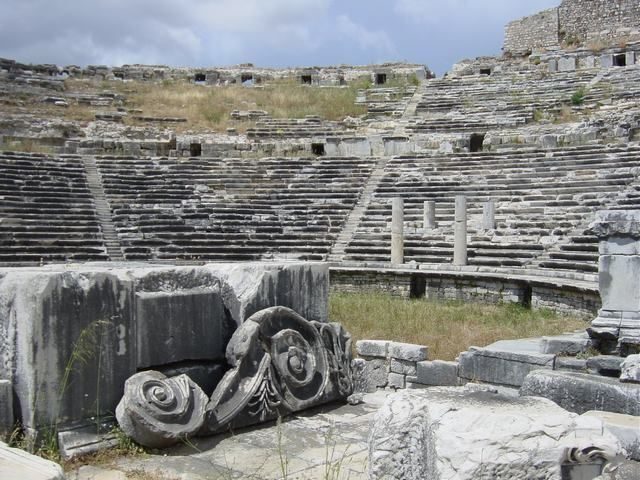
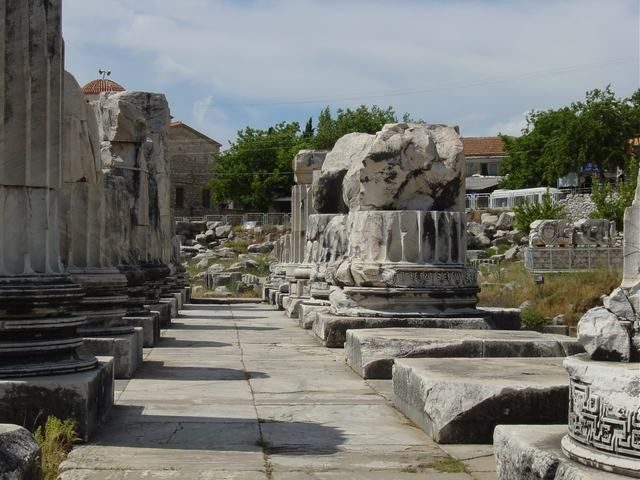
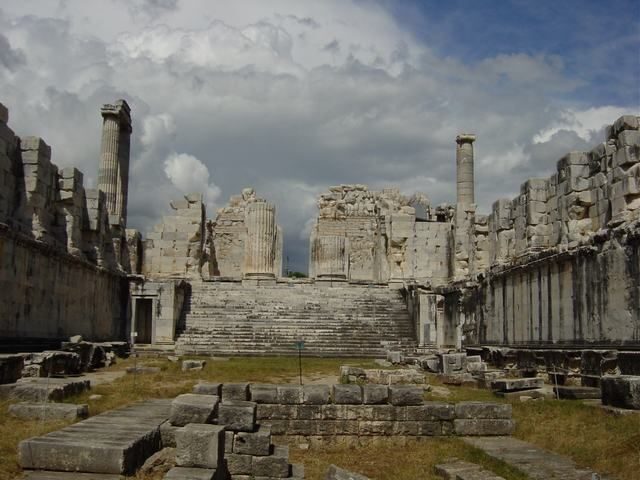
Didyma is the final act, and it’s not a city like the others—it’s a sanctuary. The main draw is the Temple of Apollo, described as one of the largest and most enigmatic temples in the Hellenic world.
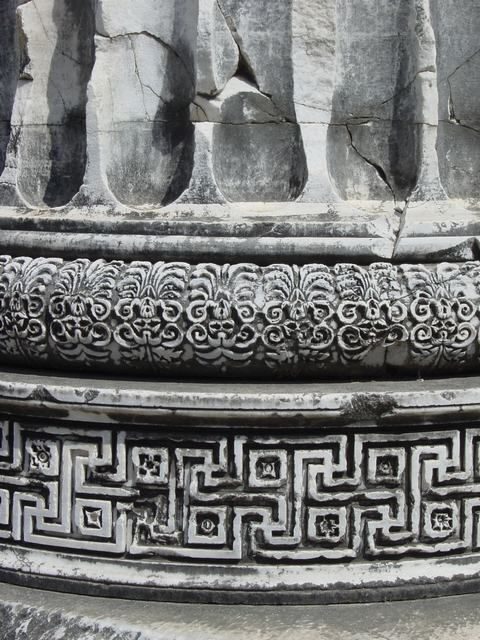
What you’ll remember most here is the scale. Even with much of the complex in ruins, three towering, intricately fluted columns still stand, and that visual is the moment the site clicks into your brain. It feels eerie in a beautiful way, especially if you have a habit of imagining what once stood around those columns.
Didyma’s oracle is where the mythology becomes more than background flavor. The tour explains that this oracle rivaled Delphi, so you’re not just looking at architecture—you’re stepping into a place people would have treated as life-altering.
You’ll also walk the Sacred Way, a route pilgrims used when they sought prophecies that could affect the fate of kings and empires. This is a great final stop because it ties the day’s theme together: politics, belief, and public decision-making all wrapped into stone.

Price and value: $210 for four sites, one guide, and included entry
This tour costs $210 per person for about 8 hours, and the big question is whether it’s worth it. For me, the value comes from three things that add up fast if you do it on your own: entrance fees, guide interpretation, and transport that keeps the day efficient.
All entrance fees for Ephesus, Priene, Miletos, and Didyma are included. That matters because you’re covering multiple major sites in one outing, and ticketing for that many stops can become a hassle if you’re self-planning.
You also get a licensed, expert guide and transportation in an air-conditioned vehicle. On a full-day antiquities circuit, that reduces fatigue and keeps you from spending time on logistics that don’t improve the experience.
Where it might not be the best deal is if your only priority is Ephesus. In that case, you could spend less by focusing on one site. But if you want a broader Aegean picture—Roman city life, Hellenistic planning, philosophical roots, and oracle power—this price is easier to justify.
One more real-world note from guide quality: the tour’s high marks point to guides who explain key elements clearly and adapt when questions come up. That turns the itinerary from a checklist into something you actually understand.
Comfort, walking reality, and who this tour fits best
This is an 8-hour walking day. Expect uneven ancient surfaces, stairs in places, and sun exposure. The practical advice is straightforward: bring comfortable walking shoes, sunglasses, and a sun hat, and keep a camera ready for the iconic moments.
The tour also asks you to bring a passport or ID card, which is a good reminder that you should travel with the correct documents even for day trips. If you’re traveling with older parents or you want a guide who will answer questions patiently, guides like Olkan (Guife) were praised for handling queries well.
It is not suitable for wheelchair users, so if accessibility is a concern, you’ll need an alternative option.
If you are traveling solo, the structure can be a comfort. Recent feedback specifically mentioned feeling secure and well supported on the tour, which is especially reassuring when you are away from your home base. And if you want flexibility, some guides have been commended for adjusting pacing and even adding lesser-known angles so you can spend more time in the sites you care about.
Should you book the Ephesus, Priene, Miletos & Didyma tour?
Book it if you want one day that covers the full spectrum of western Turkey’s ancient world. This is the best kind of day trip: you see Ephesus, then you go further to Priene’s planning genius, Miletos’s philosopher connections, and Didyma’s oracle power.
Skip it if you hate long walking days, want a slow pace, or are mainly interested in only one stop like Ephesus. Also pass if you need wheelchair accessibility.
If you do book, do one simple thing: wear good shoes and plan to bring sun protection. Then let the guide handle the story threads—this itinerary works when the sites connect in your head.
FAQ
How long is the Ephesus, Priene, Miletos & Didyma tour?
The tour duration is 8 hours.
Where do I get picked up and where do I drop off?
You depart from Kusadasi port, with pick-up and drop-off offered at Kusadasi port or your local hotel. Pick-up is also included from hotels in Aydin and Izmir.
Are entrance fees included for all four sites?
Yes. Entrance fees to Ephesus, Priene, Miletos, and Didyma are included according to the itinerary.
What languages are available for the live tour guide?
The live tour guide is offered in Spanish, English, Italian, Dutch, Greek, German, French, and Russian.
What should I bring?
Bring a passport or ID card, comfortable walking shoes, sunglasses, and a sun hat. A camera is also recommended.
Is the tour wheelchair accessible?
No. The tour is not suitable for wheelchair users.
Can I cancel for a refund?
Yes. You can cancel up to 24 hours in advance for a full refund.